
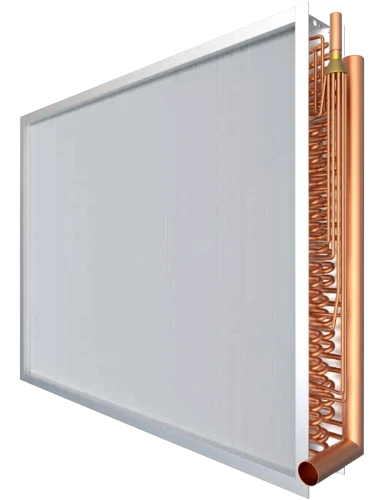
Cooling comfort in large buildings depends on parts that work quietly in the background. Inside every air handling unit, coils control how the air feels before it reaches people inside. These parts remove heat or add warmth so rooms stay balanced. When coils wear out, comfort drops and energy use rises. This is why facility teams choose parts with care. A trusted Coil suppliers in Australia helps keep airflow steady, power use under control, and indoor air clean for daily use. In this article, we will cover how cooling and heating coils work and the different types used in buildings.
How Cooling Coils Keep Air Clean and Cool
During high summer heat, the cooling coil carries most of the load. The cold liquid moves along vigorous metal tubes, and warm air flows over clean fins. The air exchanges its heat with the liquid and cools the room. Meanwhile, humidity in the air is changed into water and evaporates. This removes stickiness and keeps the air fresh. A well-built coil handles heat and humidity without strain, helping the system stay steady even on very hot days.
How Heating Coils Manage Warm Air Flow
Heating coils warm the air before it reaches your desk. They do not use cold liquid. They carry hot water or steam from a boiler in the building. When cold winter air enters the AHU, it passes over the hot metal coil and heats up at once. Since coils heat and cool many times each day, they must use strong materials to avoid leaks, cracks, and sudden failure during use.
The Different Types of Coils You Might Find
Every building does not work the same way. The size of the space and the weather outside both matter a lot. Due to this fact, various types of coils are adopted in different buildings to manage heating and cooling in a proper manner.
● Chilled Water Coils: You see these a lot in big city buildings. They use water that has been cooled down by a central chiller to drop the air temperature.
● Hot Water Coils: These are normally connected to a boiler. They give a comfortable, consistent kind of warmth, which is not too dull or rough.
● DX Coils: You usually find these in smaller units. They use refrigerant gas to cool things down very fast.
● Steam Coils: These are built for heavy-duty spots like factories or big laundries because they can handle a lot of pressure.
● Condenser Coils: These sit on the other side to dump the heat back outside so the whole cycle can keep going.
Why Proper Coil Sizing Matters in an AHU
A coil must match the size of the air handling unit. When the coil is not large enough, it fails to cope with its air load, and the rooms become unbalanced. In case it is excessive, the airflow reduces, and the amount of power consumed also increases.
Correct sizing helps air pass smoothly across the fins and tubes. This keeps cooling and heating stable. Facility teams often rely on a skilled coil supplier to select coils that fit the unit, match airflow, and support steady comfort without stress on the system.
Why Quality Materials Matter for Long Life
When choosing cooling and heating coils, cheap materials cause trouble later. These parts sit deep inside the system and cost a lot to repair if leaks start. Good coils use thick copper tubes and strong aluminium fins that handle steady air flow. Solid builds move heat with ease, so fans work less. This reduces strain on the system and helps the full setup last longer with fewer service issues.
Conclusion
Getting the right coils keeps a building comfortable through every season. Strong parts help control energy use and reduce power bills. They also protect the system from early wear. When repairing an old unit or setting up a new one, the coil must handle the daily load without strain. Cooling and heating coils built with clean fins and solid tubing support steady airflow and heat transfer. For reliable coil solutions that meet real working needs, teams can connect with premiumproducts.com.au for quality support, tested products, and practical guidance.