
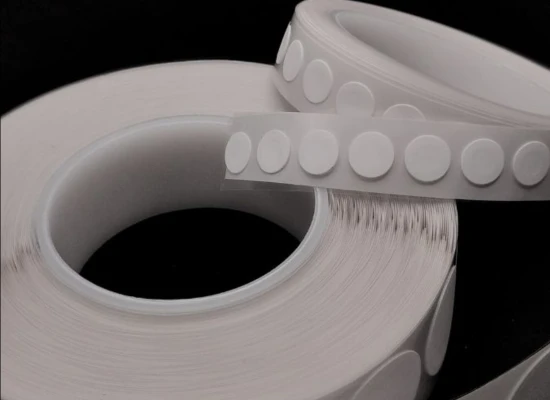
When it comes to protecting sensitive electronics, enclosures, or automotive systems, selecting the right adhesive vent can make all the difference. But with so many options available, how do you ensure you choose the perfect vent that balances performance, durability, and aesthetics?
In this guide, we’ll break down everything you need to know about adhesive vents, including size, material, and design considerations. Whether you’re looking for solutions for electronics enclosures, industrial equipment, or automotive vent applications, this post will help you make an informed choice.
Key Takeaways
- Material choice (PTFE, polyester, polyurethane) affects performance and durability.
- Correct vent size balances airflow and protection against contaminants.
- Design considerations like shape, profile, and adhesive type impact efficiency and installation.
- Adhesive vents are versatile for electronics, industrial, and automotive applications.
- PorVent® provides reliable, long-lasting solutions that simplify installation and maintenance.
Why Choosing the Right Adhesive Vent Matters
Many engineers and DIY enthusiasts underestimate the importance of vents in protecting equipment. Poor venting can lead to:
- Moisture accumulation, causing corrosion or short circuits
- Overheating, reducing the lifespan of electronics
- Dust and particle ingress, impacting functionality
Understanding Adhesive Vent Materials
The material of your vent determines its effectiveness, durability, and suitability for specific environments. Here’s a quick breakdown of popular materials:
1. PTFE (Polytetrafluoroethylene) Vents
PTFE vents are widely regarded as the gold standard for high-performance venting solutions.
Benefits:
- Excellent chemical and temperature resistance
- Allows air and gas to pass while blocking liquids
- Ideal for both industrial and automotive vent applications
PTFE venting solutions are especially useful in environments where dust, moisture, or corrosive gases are a concern. They also provide reliable long-term performance, making them perfect for mission-critical electronics.
2. Polyurethane and Polyester Membranes
These materials are often used for lightweight or cost-effective applications.
Benefits:
- Affordable and easy to integrate
- Good for general moisture protection
- Flexible and compatible with various adhesives
While not as robust as PTFE, these materials are suitable for electronics enclosures or areas where extreme conditions are not expected.
Choosing the Right Size
Selecting the right adhesive vent size is essential for maintaining proper airflow while ensuring protection against water and dust ingress. Consider the following:
Airflow Requirements:
- Larger vents allow more airflow but may reduce protection against contaminants.
- Smaller vents are ideal for high-protection requirements but may restrict ventilation.
Enclosure Size:
- Small enclosures need proportionally smaller vents to maintain structural integrity.
- Large enclosures can accommodate bigger vents for efficient airflow.
Application Type:
- For automotive vent applications, size must balance airflow with resistance to water splashes and dust.
- Industrial equipment often requires vents sized according to heat dissipation needs.
Design Considerations for Adhesive Vents
The design of your vent not only impacts performance but also influences installation ease and aesthetics. Here’s what to look for:
1. Low-Profile vs. Raised Vents
- Low-profile vents are subtle, ideal for visible areas where aesthetics matter.
- Raised vents improve airflow efficiency, especially in heavy-duty applications.
2. Shape and Adhesive Backing
- Round vents provide uniform airflow, while oval or rectangular vents may fit space constraints better.
- Strong adhesive backing ensures quick installation and long-term stability without screws or drilling.
3. Environmental Resistance
- Ensure the vent material and adhesive are resistant to UV, salt spray, or automotive fluids if used in vehicles.
- PorVent® PTFE venting solutions offer excellent durability under harsh conditions.
Applications of Adhesive Vents
Adhesive vents are versatile and used in multiple industries. Some common applications include:
- Electronics Enclosures: Protects sensitive boards from moisture and dust.
- Automotive Systems: Ensures proper airflow in headlights, tail lights, and engine components.
- Industrial Equipment: Provides safe venting for pumps, compressors, and control panels.
- Consumer Electronics: Keeps gadgets cool without compromising waterproofing.
PorVent®, you get vents that are designed to fit seamlessly into these applications while offering long-term reliability.
How to Install Your Adhesive Vent
Installing an adhesive vent is simple but requires some attention to detail:
- Clean the Surface: Use isopropyl alcohol to remove dust, grease, and oils.
- Mark the Placement: Ensure proper alignment and airflow direction.
- Peel and Stick: Carefully remove the adhesive backing and press firmly.
- Test: Check for air passage and ensure no gaps exist around the edges.
Pro tip: For PTFE venting solutions, avoid stretching the membrane during installation to maintain optimal performance.
Upgrade Your Space with Porvent Adhesive Vents Now
Choosing the right adhesive vent involves more than picking the first option you see. By considering material, size, and design, you ensure reliable protection and efficient airflow. From electronics enclosures to automotive vent applications, the right venting solution keeps your systems safe, durable, and high-performing.
PorVent® offers a wide range of PTFE venting solutions and high-quality adhesive vents that are easy to install, durable, and compatible with a variety of applications. Investing in the right vent now can prevent costly equipment failures later. Need the perfect adhesive vent solution? Contact us today and explore Porvent’s premium PTFE venting options!