
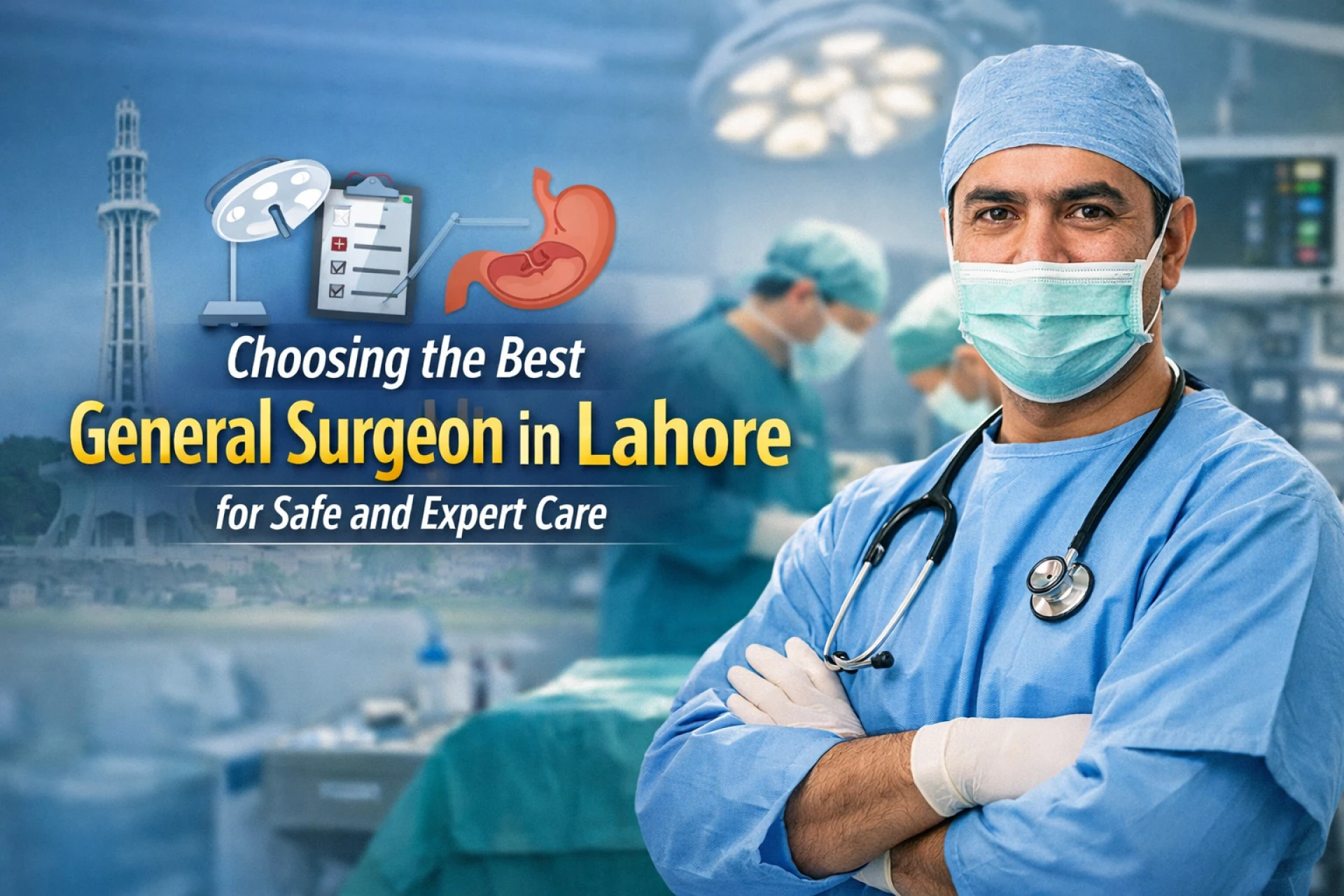
Healthcare decisions are among the most important choices a person can make, especially when surgery is involved. Surgical procedures require not only advanced medical knowledge but also experience, precision, and a deep commitment to patient safety. For residents of Lahore and nearby regions, selecting a highly skilled surgeon can make a significant difference in the outcome of treatment and the overall recovery experience. Understanding what to look for in a surgeon helps patients feel confident and well-informed before undergoing any medical procedure.
When people search for the Best General Surgeon in Lahore, they are usually looking for a professional who combines clinical expertise with compassionate patient care. A general surgeon handles a wide range of procedures involving the abdomen, digestive tract, gallbladder, appendix, hernia, thyroid, and other soft tissues. Because of this broad scope, the surgeon’s training, experience, and ability to manage different surgical situations are extremely important. Choosing the right specialist ensures that the patient receives accurate diagnosis, proper treatment planning, and safe surgical management.
Understanding the Role of a General Surgeon
A professional general surgeon is trained to perform surgeries that involve multiple systems of the body. These specialists are skilled in diagnosing conditions that may require surgical intervention and are responsible for managing the patient before, during, and after the procedure. Their work often includes both traditional open surgeries and minimally invasive techniques such as laparoscopic procedures.
General surgeons commonly treat conditions such as:
- Gallstones and gallbladder disease
- Hernias
- Appendicitis
- Gastrointestinal disorders
- Thyroid problems
- Soft tissue tumors and infections
Because these conditions can vary widely in complexity, the surgeon’s clinical judgment and decision-making skills play a major role in determining the most effective treatment approach.
Why Choosing the Right Surgeon Matters
Surgery is not only about performing a procedure; it is about ensuring the best possible outcome for the patient. An experienced surgeon in Lahore carefully evaluates the patient’s health history, performs detailed examinations, and recommends the most appropriate surgical or non-surgical treatment.
Choosing a well-qualified professional can offer several benefits:
- Lower risk of complications
- Accurate diagnosis and treatment planning
- Advanced surgical techniques
- Faster recovery and improved patient comfort
- Better post-operative care and follow-up
A skilled surgeon also communicates clearly with patients and their families, helping them understand the procedure, potential risks, and recovery expectations.
Qualifications and Training to Look For
One of the most important factors when selecting a surgeon is professional qualification. Surgeons typically complete years of rigorous education and clinical training. After earning a medical degree, they undergo specialized training in surgery, which may include residency programs and advanced fellowships.
Patients should consider the following when evaluating a surgeon’s qualifications:
- Medical degrees and surgical certifications
- Membership in professional surgical associations
- Specialized training in laparoscopic or minimally invasive surgery
- Years of clinical experience in performing surgical procedures
These credentials reflect a surgeon’s dedication to maintaining high medical standards and staying updated with modern surgical techniques.
Experience and Specialization
Experience is another crucial factor when choosing a surgeon. A surgeon who regularly performs specific procedures often develops refined skills and greater confidence in handling complex cases. This experience can lead to improved surgical outcomes and reduced complications.
Some surgeons also develop expertise in particular areas such as:
- Laparoscopic surgery
- Bariatric surgery
- Gastrointestinal surgery
- Hernia repair procedures
Patients may benefit from choosing a surgeon who has significant experience in the specific procedure they require.
Importance of Modern Surgical Technology
Advances in medical technology have significantly improved the safety and effectiveness of many surgical procedures. Minimally invasive techniques, for example, allow surgeons to perform operations through small incisions using specialized instruments and cameras. These techniques often lead to reduced pain, shorter hospital stays, and quicker recovery times.
Hospitals and surgical centers that invest in modern equipment and advanced operating facilities can provide a safer and more efficient environment for patients. Surgeons who are trained in these technologies are better equipped to offer innovative treatment options.
Communication and Patient Trust
A good surgeon understands that surgery can be a stressful experience for patients. Clear communication and empathy are essential qualities that help patients feel comfortable and confident about their treatment.
Before deciding on a surgeon, patients should consider whether the doctor:
- Listens carefully to their concerns
- Explains medical conditions in understandable language
- Provides honest guidance about treatment options
- Encourages questions and discussion
A strong doctor-patient relationship built on trust can significantly improve the overall healthcare experience.
Hospital Facilities and Support Staff
Surgical success is not solely dependent on the surgeon’s skill. A well-equipped hospital with a professional support team also plays a vital role in ensuring patient safety. Nurses, anesthesiologists, and other healthcare professionals work closely with surgeons to provide comprehensive care throughout the surgical process.
Patients should consider the hospital’s reputation, hygiene standards, emergency care facilities, and availability of specialized medical equipment. A strong healthcare team contributes to smoother procedures and better recovery outcomes.
Pre-Surgical Evaluation and Preparation
Before performing surgery, a responsible surgeon conducts thorough pre-operative evaluations. This may include physical examinations, laboratory tests, imaging studies, and consultations with other medical specialists if necessary.
These evaluations help identify potential health risks and allow the surgeon to plan the safest surgical strategy. Proper preparation also involves guiding patients about dietary restrictions, medications, and other instructions to follow before surgery.
Post-Operative Care and Recovery
Surgery does not end in the operating room. Recovery and follow-up care are equally important components of successful treatment. After surgery, patients require monitoring to ensure proper healing and to detect any possible complications early.
Effective post-operative care typically includes:
- Pain management
- Wound care instructions
- Follow-up appointments
- Rehabilitation or physical therapy if required
A dedicated surgeon remains involved in the patient’s recovery journey and provides guidance to support a smooth healing process.
Patient Reviews and Recommendations
Patient experiences can provide helpful insights when choosing a healthcare provider. Reviews, testimonials, and recommendations from previous patients often highlight aspects such as professionalism, communication, and overall satisfaction.
While reviews should not be the only factor in decision-making, they can help patients gain a better understanding of what to expect from a particular surgeon or medical facility.
Safety and Ethical Medical Practice
Safety is the foundation of quality surgical care. Ethical surgeons follow strict medical guidelines and prioritize patient well-being above all else. They ensure that patients fully understand their treatment options and obtain informed consent before performing any procedure.
A trustworthy surgeon maintains transparency, respects patient confidentiality, and follows internationally recognized safety protocols. These principles protect patients and contribute to better surgical outcomes.
The Importance of Personalized Treatment
Every patient is unique, and medical treatment should reflect individual needs and health conditions. A skilled surgeon evaluates each case carefully and develops a treatment plan tailored to the patient’s specific situation.
Personalized care may involve selecting the most suitable surgical technique, coordinating with other specialists, and adjusting recovery plans according to the patient’s lifestyle and health status.
Making an Informed Decision
Choosing a surgeon requires careful research and thoughtful consideration. Patients should take time to gather information, ask questions, and evaluate their options before making a decision. Consulting with healthcare professionals, reviewing credentials, and understanding treatment approaches can help patients feel confident in their choice.
When patients actively participate in their healthcare decisions, they often experience better outcomes and greater satisfaction with their treatment.
Conclusion
Selecting the right surgeon is a crucial step toward achieving safe and effective surgical care. From qualifications and experience to communication skills and hospital facilities, several factors contribute to a positive healthcare experience. Patients who take the time to research and evaluate these aspects are more likely to find a surgeon who meets their expectations and provides high-quality treatment.
Surgery can be a life-changing event, but with the guidance of a skilled and compassionate professional, patients can move forward with confidence and peace of mind. By focusing on expertise, patient safety, and personalized care, individuals can ensure that they receive the best possible support throughout their surgical journey.