Patio doors are used regularly and remain exposed to changing weather conditions throughout the year. They need to withstand everyday movement while maintaining reliable operation over time. For homeowners planning a replacement or a new installation, durability should be considered alongside appearance and security.
Choosing lockable patio doors with suitable materials, dependable hardware and an appropriate locking arrangement can help reduce avoidable maintenance problems. However, long-term performance depends on the complete door system, correct installation and routine care.
Start With the Door's Intended Use
The best door for one property may not be suitable for another. A frequently used entrance to a family garden may require different practical features from a door that provides occasional access to a small balcony.
Consider how often the door will be opened, how many people will use it and whether large objects need to pass through the opening. These details can influence the choice between sliding, hinged and bi-fold designs.
Also assess the surrounding environment. Doors exposed to strong sunlight, driving rain or coastal conditions may need particular attention to material specifications and maintenance instructions.
Choose Materials With Suitable Durability
Patio doors are available in several frame materials, including uPVC, aluminium and timber.
uPVC frames are commonly used in residential properties and are generally selected for their practical maintenance requirements. Aluminium frames can offer a modern appearance and may be suitable for designs with larger glazed areas. Timber can complement traditional buildings but may require periodic care to maintain its finish.
No material should be considered maintenance-free in every situation. Ask the manufacturer about expected care, cleaning products and any recommended inspections.
Pay Attention to Moving Components
The durability of a patio door depends partly on the components that allow it to open and close.
Sliding systems use rollers and tracks. If dirt builds up in the track or the rollers become worn, the panel may become difficult to move. Hinged doors rely on hinges that must support the panel and maintain correct alignment. Bi-fold systems have several connected panels and moving parts that require suitable adjustment.
Ask whether the hardware is designed for the weight and dimensions of the selected door. Replacement components should also be available if parts eventually wear out.
Select a Suitable Locking System
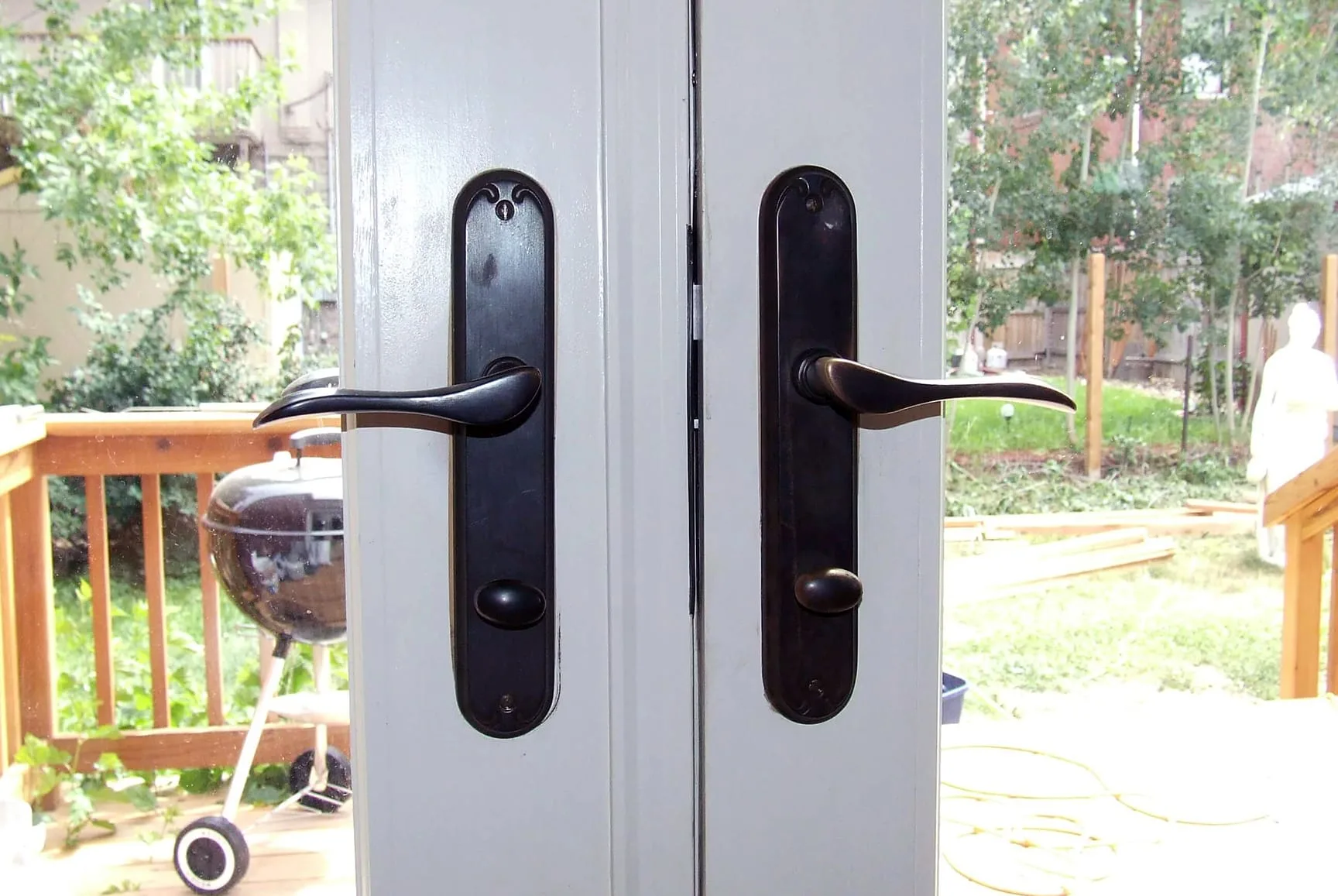
A door's lock should be compatible with its construction. Some designs use hooks, while others have multipoint locking mechanisms or purpose-designed bolts.
The locking system should engage smoothly when the door is fully closed. If a lock needs excessive force to operate, the door may be misaligned or a component may be worn.
Homeowners should ask for clear instructions on locking and maintenance. They should also check whether the manufacturer specifies particular replacement parts rather than assuming that standard hardware will fit.
Consider the Complete Security Arrangement
Long-term protection does not come from the lock alone. The frame, glass, hinges, rollers, keeps and installation all contribute to the door's performance.
For example, a well-made lock cannot compensate for a poorly secured frame. Similarly, unsuitable glazing or incorrectly fitted hardware can affect the overall result.
Ask the supplier for information about the complete door specification, including any relevant testing or certification. Make sure that claims about security can be supported by product documentation.
Check Seals and Weather Resistance
Seals help reduce unwanted air and water movement around a closed door. Over time, seals may become worn, compressed or damaged.
Inspect accessible seals periodically and look for gaps, visible deterioration or signs of water ingress. Follow the manufacturer's advice when cleaning or replacing them.
Weather resistance also depends on the frame, drainage channels and installation. If water collects around the threshold or appears inside after rainfall, arrange an inspection rather than assuming that a simple surface repair will solve the issue.
Establish a Practical Maintenance Routine
Regular maintenance does not need to be complicated. A few basic checks can help identify developing problems:
- Remove dirt and debris from accessible sliding tracks.
- Check handles for looseness or visible damage.
- Inspect hinges and other accessible hardware.
- Look for worn or displaced seals.
- Test the locking mechanism without forcing it.
- Arrange professional attention if the door becomes difficult to close.
Use cleaning products and lubricants approved for the relevant materials. Avoid applying unsuitable products to locking mechanisms or dismantling components without appropriate instructions.
Avoid Delaying Repairs
A door that sticks, rattles or fails to lock properly should not be ignored. These symptoms may result from worn rollers, loose hardware, frame movement or a problem with the lock.
Replacing the lock without investigating the cause may not resolve the issue. A professional assessment can identify whether adjustment, repair or replacement is the appropriate solution.
This is especially important where the door no longer secures correctly. Until the fault is addressed, homeowners should consider suitable alternative arrangements for securing the property.
About upvcmaintenance
For information about existing patio door hardware or possible replacement options, homeowners can contact upvcmaintenance directly. They should check which products and services are currently available, whether the components are compatible with their door, what prices apply and whether fitting arrangements can be provided. Confirming these details can help prevent unsuitable purchases.
Conclusion
Durable patio doors require more than a strong-looking frame or a prominent lock. Material selection, hardware quality, weather protection, correct installation and routine maintenance all contribute to long-term performance. By considering these factors before purchasing and responding promptly to operating problems, homeowners can make a more informed investment in their property.