
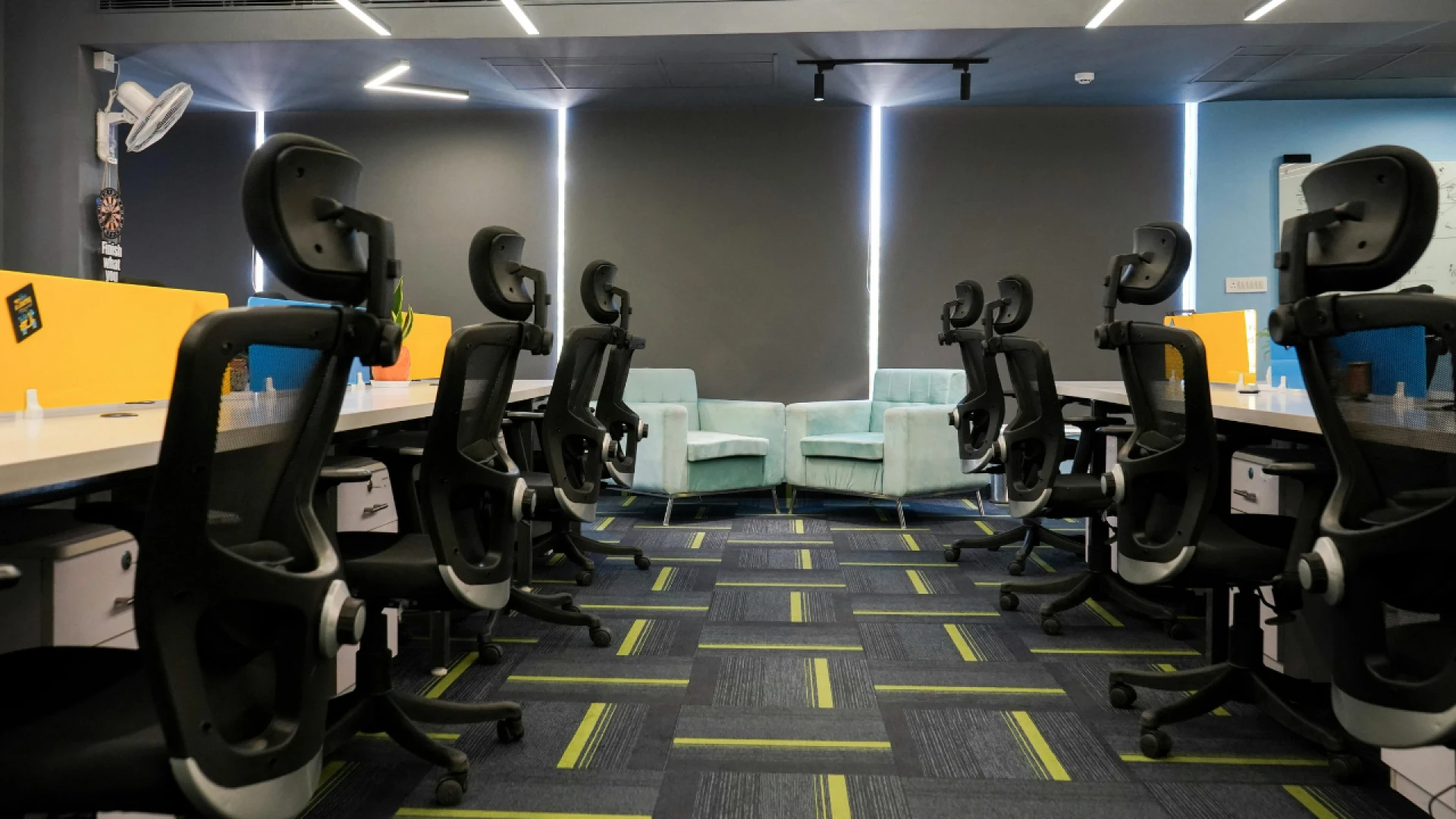
Extended hours of desk work have become a defining feature of modern professional life. Whether in corporate offices, co-working spaces, or home setups, prolonged sitting can contribute to discomfort, fatigue, and long-term musculoskeletal issues. As awareness of workplace wellness grows, many individuals are exploring seating solutions designed to support posture and reduce physical strain.
In Thailand, the demand for thoughtfully designed office furniture has expanded alongside hybrid work trends. Selecting an appropriate chair involves more than aesthetics or price; it requires an understanding of ergonomics, body mechanics, and everyday work habits. This guide outlines key considerations when evaluating an ergonomic chair and explains how different features contribute to comfort and health.
Understanding Ergonomics and Its Importance
Ergonomics refers to designing products that align with human anatomy and movement. A well-designed chair supports natural spinal curvature, encourages movement, and distributes weight evenly. Poor seating, by contrast, can lead to back pain, neck stiffness, and reduced productivity.
An ergonomic chair is not a universal solution but an adjustable system. The goal is adaptability — enabling the chair to fit the user rather than forcing the user to adapt to the chair. This distinction is particularly important in shared work environments and households where multiple people use the same workspace.
Key Adjustability Features to Evaluate
Seat Height and Depth
Seat height should allow feet to rest flat on the floor with knees at approximately hip level. Chairs with pneumatic height adjustment make it easier to achieve this alignment.
Seat depth is equally important. A seat that is too deep can pressure the back of the knees, while one that is too shallow may not provide sufficient thigh support. Ideally, there should be a small gap between the seat edge and the back of the knees.
Lumbar Support
The lower spine naturally curves inward. Effective lumbar support maintains this curve and prevents slouching. Adjustable lumbar systems — including height, depth, or dynamic support — accommodate differences in torso length and posture preferences.
Without adequate lumbar support, users may lean forward or collapse into the chair, increasing strain on spinal structures.
Armrest Adjustability
Armrests influence shoulder and neck tension more than many users expect. Adjustable armrests should allow height, width, and sometimes angle changes so that shoulders remain relaxed and elbows rest near the body.
Fixed armrests often create awkward positioning, particularly for people using different desk heights or keyboard setups.
Material and Breathability Considerations
Thailand’s warm climate makes material selection especially relevant. Breathable mesh backs are popular because they promote airflow and reduce heat buildup. Fabric upholstery can offer comfort and softness, while leather or synthetic leather may provide durability but retain more heat.
Cushion density also matters. High-density foam tends to maintain shape over time, whereas low-density cushioning may compress quickly, affecting support.
Durability should be evaluated alongside comfort. Materials exposed to humidity and daily use benefit from strong stitching, resilient foam, and corrosion-resistant components.
Posture Support and Movement
Recline Mechanisms
Dynamic seating encourages micro-movement, which helps circulation and reduces stiffness. Recline functions allow the user to shift posture throughout the day rather than remaining static.
Tilt tension and tilt lock features help control how easily the chair reclines. Some users prefer a firm upright posture for focused tasks, while others benefit from a more flexible recline for reading or thinking.
Headrest and Upper Back Support
Headrests are optional but can be beneficial for individuals who lean back frequently or experience neck fatigue. Adjustable headrests that move in height and angle provide more effective support than fixed designs.
Upper back support also influences posture, especially for taller users who require full spinal coverage.
Fit, Body Type, and Workspace Context
No single chair suits every body type. Height, weight distribution, and personal sitting habits influence how a chair feels over time. Trying a chair in person, when possible, allows users to assess pressure points, adjustability range, and overall stability.
Workspace context is equally important. For example:
- Smaller home offices may require compact chair designs.
- Shared desks benefit from chairs with quick adjustment controls.
- Creative or flexible work environments may prioritise mobility and recline range.
Understanding daily workflow — typing, meetings, reading, or design work — helps determine which features matter most.
Build Quality and Long-Term Value
While comfort is immediate, build quality determines long-term usability. Structural elements such as the base, casters, and frame affect stability and lifespan. Metal or reinforced nylon bases often provide reliable durability.
Warranty coverage can also indicate manufacturer confidence. Longer warranties frequently reflect testing standards for components like gas lifts, mechanisms, and upholstery.
Evaluating long-term value involves balancing cost with expected years of use, repair options, and adaptability to changing work routines.
Availability and Selection in Thailand
The Thai office furniture market includes a wide range of ergonomic seating options, from entry-level designs to advanced chairs with extensive adjustability. Local availability influences factors such as after-sales service, replacement parts, and delivery timelines.
Exploring curated collections can help users compare features across models and better understand design differences. For example, browsing an ergonomic chair Thailand selection allows prospective buyers to observe variations in lumbar systems, materials, and adjustment capabilities without relying solely on individual product descriptions.
Physical showrooms, online reviews, and workplace trials can further inform decision-making.
Common Mistakes When Choosing an Ergonomic Chair
One frequent mistake is prioritising appearance over function. A visually appealing chair may lack necessary adjustability, leading to discomfort over time.
Another common issue is underestimating the importance of adjustability range. A chair might technically include lumbar support or armrests but offer limited customization.
Users also sometimes evaluate comfort only during short testing periods. True ergonomic performance becomes evident after extended sitting, making long-term feedback valuable.
Finally, overlooking compatibility with desk height can create posture problems even with a high-quality chair.
Conclusion
Selecting an ergonomic chair involves understanding how seating interacts with posture, movement, and daily work habits. Rather than focusing on a single feature, effective evaluation considers adjustability, material suitability, build quality, and individual body fit.
In Thailand’s evolving work landscape, ergonomic seating plays a meaningful role in supporting long-term comfort and productivity. A thoughtful approach — informed by ergonomic principles and personal needs — helps ensure that a chair remains supportive across different tasks and routines.
Ultimately, the most suitable chair is one that adapts to the user, encourages movement, and contributes to a healthier sitting experience over time.
FAQs
What is the most important feature in an ergonomic chair?
Lumbar support is often considered essential because it maintains the natural curve of the lower spine. However, overall adjustability is equally important since ergonomic effectiveness depends on how well the chair fits the user.
Are mesh chairs better in warm climates?
Mesh chairs are commonly preferred in warm environments because they allow airflow and reduce heat retention. This can improve comfort during long sitting periods.
How long should an ergonomic chair last?
A well-constructed chair typically lasts five to ten years, depending on build quality, usage intensity, and maintenance.
Do ergonomic chairs improve productivity?
Research suggests that comfortable seating can reduce physical discomfort and fatigue, which may indirectly support focus and productivity.
Is trying a chair in person necessary?
While not always possible, testing a chair in person helps assess fit, adjustability, and pressure distribution. When buying online, detailed specifications and user feedback become especially important.