
As temperatures drop, the importance of a reliable and efficient heating system becomes evident. Choosing the right heating system for your home isn’t just about comfort — it’s also about energy efficiency, cost-effectiveness, and long-term value. With numerous options on the market, from traditional furnaces to modern heat pumps, making the right decision can feel overwhelming.
In this guide, we’ll break down the key factors to consider when choosing a heating system, explore the pros and cons of different types, and provide practical tips to help you make an informed choice.
Understanding Your Heating Needs
Before diving into the types of systems available, it’s crucial to assess your home’s specific heating needs. Consider the following:
1. Climate and Location
- In colder climates, you’ll need a robust system like a gas furnace or hydronic heating.
- In milder regions, heat pumps or reverse-cycle air conditioners may be sufficient.
2. Home Size and Layout
- Larger homes may require zoned heating systems or multiple units.
- Open-plan spaces heat differently than multi-room homes, influencing your system choice.
3. Insulation and Energy Efficiency
- Well-insulated homes retain heat longer, reducing the workload on your system.
- Consider upgrading insulation before investing in a new heating system — it could allow for a smaller, more efficient unit.
4. Existing Infrastructure
- Does your home already have ductwork? If so, a ducted heating system may be a logical upgrade.
- If you’re building or renovating, you have more flexibility to design around your heating preferences.
Types of Home Heating Systems
Let’s explore the most common types of heating systems available, along with their pros and cons.
1. Gas Ducted Heating
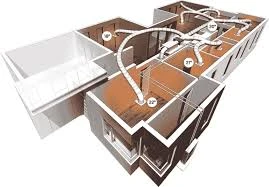
Also known as central heating, this system uses natural gas to heat air in a central unit and distributes it through ducts to various rooms.
Pros:
- Quick and even heating throughout the house
- Cost-effective in areas with affordable gas
- Can be zoned for efficiency
Cons:
- Higher upfront cost
- Requires ductwork installation and maintenance
- Not available in areas without gas access
2. Reverse Cycle Air Conditioners (Heat Pumps)
These systems can both heat and cool, making them ideal for year-round comfort.
Pros:
- Energy efficient
- Dual-function (heating and cooling)
- Great for mild to moderate climates
Cons:
- May struggle in extreme cold
- Can be expensive to install in large homes
3. Electric Panel or Wall Heaters
These compact units are easy to install and ideal for heating individual rooms.
Pros:
- Low installation cost
- Good for small spaces or occasional use
Cons:
- High running costs
- Less efficient for large areas or continuous heating
4. Hydronic Heating
A hydronic heating system uses heated water (via gas boiler or electric heater) to warm rooms through radiators or underfloor piping.
Pros:
- Quiet and gentle heating
- Ideal for allergy sufferers (no dust movement)
- Zoning possible
Cons:
- Expensive to install
- Slow to heat
- Requires plumbing infrastructure
5. Wood or Pellet Heaters
These are ideal for rural homes and offer cosy, radiant heat.
Pros:
- Aesthetically pleasing
- Good for off-grid living
- Renewable fuel source (in the case of pellets)
Cons:
- Requires fuel storage and frequent refuelling
- Regular maintenance needed
- Air quality concerns exist if not properly vented
Tips for Choosing the Right Heating System
1. Assess Your Budget (Short- and Long-Term)
- Consider both installation costs and ongoing running expenses.
- Gas systems may cost more upfront, but save money over time.
- Heat pumps can be expensive, but they reduce energy consumption dramatically.
2. Think About Energy Efficiency
- Check the Energy Star rating or equivalent for each unit.
- Look for features like programmable thermostats, zoning capabilities, and inverter technology.
3. Consider Your Future Needs
- Are you planning to expand your home or add rooms?
- Is solar power part of your future energy strategy?
- Think about how your heating needs might change in 5–10 years.
4. Go for Zoned Heating (If Possible)
- Zoned systems allow you to heat only the rooms you’re using.
- This can significantly reduce energy bills and improve comfort.
5. Compare Fuel Sources
- Gas is generally cheaper than electricity in many regions.
- If electricity is your only option, look for systems that support solar PV integration.
- In remote areas, wood or bottled gas may be more accessible.
6. Prioritise Safety and Air Quality
- Systems with open flames or combustion (like gas or wood) require proper ventilation.
- Heat pumps and electric systems don’t release indoor emissions.
- For allergy-sensitive homes, hydronic or radiant heating is a better option than ducted systems.
7. Check Local Rebates and Incentives
- Governments often offer rebates for energy-efficient systems.
- You might qualify for discounts on heat pumps, solar-boosted heating, or insulation upgrades.
Installation and Maintenance Considerations
Even the best heating system can perform poorly if installed incorrectly. Here’s what to look out for:
1. Professional Installation
- Always hire licensed and experienced professionals.
- Improper installation can lead to energy loss, system failure, and safety hazards.
2. Regular Maintenance
- Clean or replace filters regularly.
- Schedule annual check-ups to keep your system efficient and safe.
- Ducts, vents, and fans should be inspected to prevent blockages or wear.
3. Smart Thermostats
- Installing a smart thermostat can help optimise usage.
- Some systems allow you to control heating via smartphone apps, which is ideal for busy households.
Environmentally Friendly Heating Options
If reducing your carbon footprint is important, here are some greener choices:
- Reverse cycle air conditioners (heat pumps) are one of the most energy-efficient options.
- Solar-assisted heating systems use solar power to reduce running costs and emissions.
- Pellet heaters use biomass fuel and produce less pollution than traditional wood heaters.
- Look for systems with low NOx burners and high efficiency ratings.
Case Example: Choosing the Right System for a 4-Bedroom Home
Let’s say you live in a mid-sized suburban home with four bedrooms, moderate insulation, and access to natural gas.
- Best Option: A gas ducted heating system with zoning for living and sleeping areas.
- Why: Cost-effective for large areas, fast heating, and can be combined with a cooling system for year-round comfort.
- Alternative: A multi-split reverse cycle system — if gas isn’t available or solar is installed to offset electricity.
Final Thoughts
Choosing the right heating system for your home is an investment in comfort, efficiency, and sustainability. With so many options, it’s important to assess your specific needs, compare long-term costs, and consult professionals where needed.
Whether you choose a ducted gas system, a split heat pump, or radiant underfloor heating, the right solution will keep your home warm, your energy bills low, and your living environment healthy.