Introduction
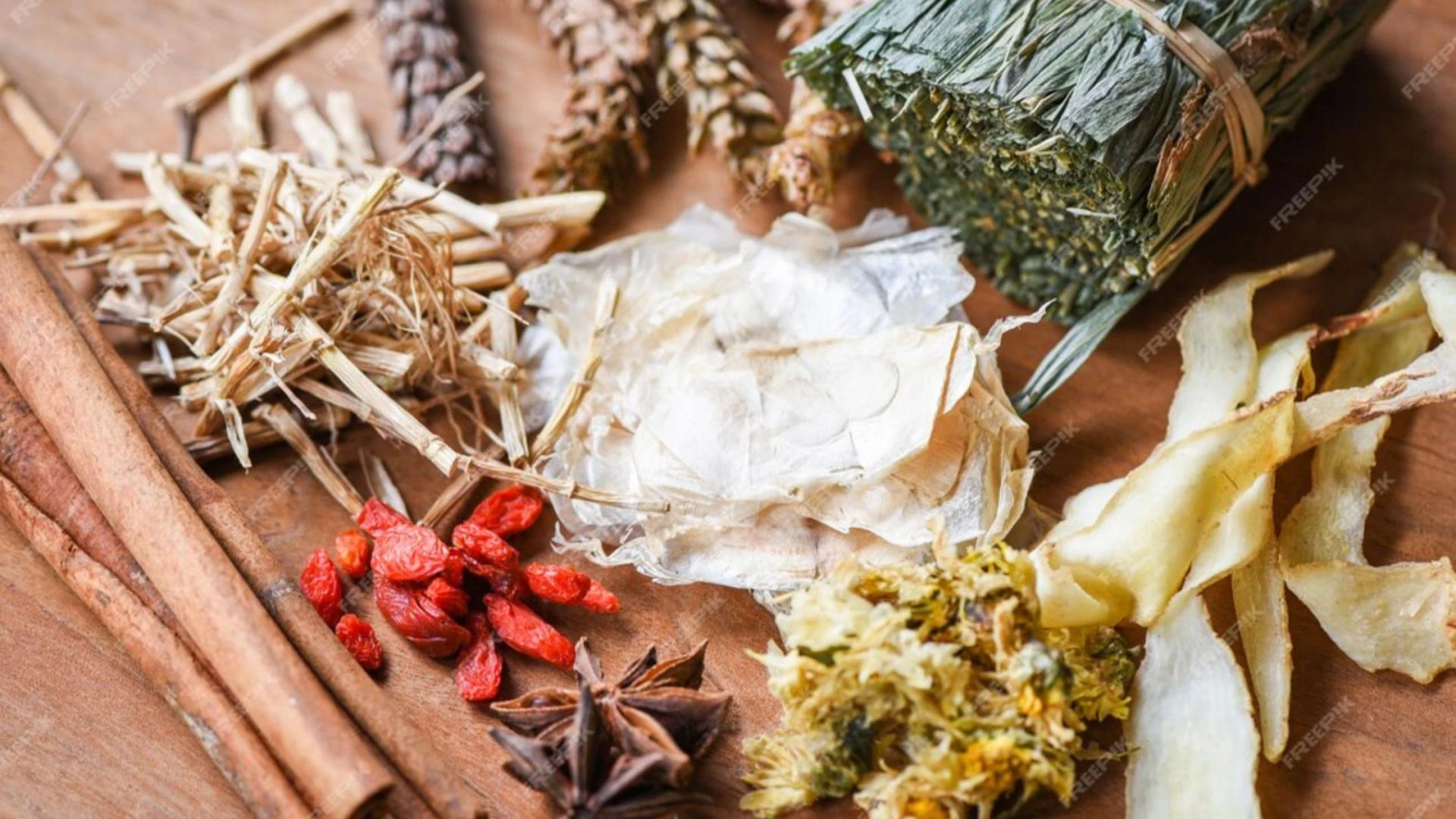
Chinese Herbal Medicine has been used for centuries as a natural approach to supporting well-being. Rooted in Traditional Chinese Medicine, this system relies on plant-based remedies to help balance the body's natural energies. From teas to powders, these formulations are still widely used today for their potential benefits.
With a deep history and a structured approach to herb selection, Chinese Herbal Medicine remains relevant in modern health discussions. Companies like KPC Herbs continue to provide authentic and high-quality herbal products that preserve this time-honored tradition.
History of Chinese Herbal Medicine
The origins of Chinese Herbal Medicine date back thousands of years, with early records found in texts such as the "Shennong Ben Cao Jing" (The Divine Farmer's Materia Medica). This ancient book, written over 2,000 years ago, classified hundreds of herbs based on their properties and effects.
Throughout history, Chinese scholars and physicians refined herbal formulas, leading to the development of well-documented remedies that are still in use today. Traditional Chinese Medicine practitioners have relied on these historical formulations to create balanced herbal prescriptions tailored to individual needs.
The continued evolution of Chinese Herbal Medicine has allowed it to remain an integral part of modern wellness practices. Many herbal combinations have been adapted to contemporary lifestyles while maintaining their traditional foundations.
Principles of Traditional Chinese Medicine
At the core of Traditional Chinese Medicine lies the concept of harmony and balance. This medical system is based on several fundamental principles:
1. Yin and Yang
This philosophy represents the balance of opposing forces within the body. When Yin and Yang are in harmony, overall well-being is supported. Chinese Herbal Medicine aims to restore this balance using carefully selected herbs.
2. The Five Elements
Wood, Fire, Earth, Metal, and Water correspond to different organs and bodily functions. Many herbal prescriptions are based on these elements, ensuring they align with a person's specific needs.
3. Qi (Vital Energy)
Qi flows throughout the body, influencing overall function. If Qi becomes blocked or deficient, symptoms may arise. Many herbs in Traditional Chinese Medicine are chosen for their ability to regulate Qi and support balance.
These principles serve as the foundation for selecting and preparing herbal remedies, ensuring they align with the body's natural rhythms.
Common Herbs and Their Uses
Numerous herbs are used in Chinese Herbal Medicine, each with its own purpose. Some of the most commonly utilized include:
1. Ginseng (Ren Shen)
Often used for energy and endurance, ginseng is a highly valued herb in Traditional Chinese Medicine. It is believed to help with vitality and overall balance.
2. Licorice Root (Gan Cao)
This herb is frequently added to formulas to harmonize other ingredients. It also supports digestion and respiratory health.
3. Astragalus (Huang Qi)
Known for its ability to support overall wellness, astragalus is often used to maintain vitality.
4. Rehmannia (Di Huang)
Commonly found in many classical formulas, rehmannia is used to support balance in the body's internal processes.
5. Goji Berry (Gou Qi Zi)
Goji berries are frequently consumed for their nutritional value and potential to support vision and overall well-being.
Each of these herbs plays a unique role in herbal formulations, contributing to their intended effects.
Methods of Preparation
Herbal remedies in Chinese Herbal Medicine come in various forms, each tailored to specific needs. Some of the most common preparation methods include:
1. Decoctions (Tang)
Herbs are boiled in water to extract their active compounds. This method is traditional but requires careful preparation.
2. Powders (San)
Herbs are ground into fine powders, which can be mixed with liquids or encapsulated.
3. Pills (Wan)
Pills are a convenient form of herbal medicine, combining powdered herbs into small, easy-to-consume doses.
4. Extracts (Gao)
Concentrated herbal extracts are made by reducing a decoction into a thick liquid or paste.
Many reputable brands, such as KPC Herbs, provide high-quality herbal products in various forms, making it easier for individuals to incorporate them into their daily routines.
The Role of Chinese Herbal Medicine in Modern Health
Although Chinese Herbal Medicine has ancient roots, it continues to be relevant today. Many individuals turn to Traditional Chinese Medicine as a natural approach to maintaining well-being.
Modern research has explored the properties of many herbs used in Chinese Herbal Medicine, leading to a broader understanding of their applications. Some herbs are now studied for their potential effects on digestion, energy levels, and overall balance.
With growing interest in natural health solutions, companies like KPC Herbs have made it possible for individuals to access high-quality herbal formulas based on classical principles.
Choosing High-Quality Herbal Products
When selecting herbal products, quality and authenticity are important. Here are key factors to consider:
1. Source of Ingredients
Look for herbs that are sourced from reputable farms and regions known for high-quality cultivation.
2. Manufacturing Standards
Brands like KPC Herbs follow strict quality control measures to ensure their herbal products meet industry standards.
3. Traditional Formulations
Authentic Chinese Herbal Medicine formulas maintain the integrity of classical recipes while meeting modern safety requirements.
By choosing well-established brands, individuals can feel confident in the quality of the herbs they use.
Conclusion
The time-honored tradition of Chinese Herbal Medicine continues to be a significant part of Traditional Chinese Medicine. With a deep history, structured principles, and a wide variety of herbal formulations, it offers a natural approach to wellness.
As modern interest in herbal remedies grows, high-quality providers like KPC Herbs ensure that authentic, well-crafted products remain accessible. By selecting trusted sources, individuals can incorporate Chinese Herbal Medicine into their routines while maintaining confidence in its authenticity.
Frequently Asked Questions
1. How does Chinese Herbal Medicine differ from Western medicine?
While Western medicine often focuses on treating specific symptoms, Chinese Herbal Medicine takes a holistic approach, considering balance and overall well-being.
2. Can anyone use Chinese Herbal Medicine?
Most herbal formulas are designed to be gentle and supportive. However, consulting a qualified practitioner is recommended, especially for individuals with health conditions.
3. How long does it take to see results from Chinese Herbal Medicine?
The effects of Chinese Herbal Medicine vary based on individual needs. Some people notice benefits within weeks, while others require longer use for optimal results.
4. Is it safe to combine Chinese herbs with other supplements?
It is best to consult a professional before combining Chinese Herbal Medicine with other supplements to ensure compatibility.
5. Where can I purchase high-quality Chinese Herbal Medicine?
Reputable brands like KPC Herbs offer high-quality herbal products that follow traditional formulations and modern safety standards.
By understanding its history, applications, and preparation methods, individuals can appreciate the depth and value of Chinese Herbal Medicine in everyday life.