
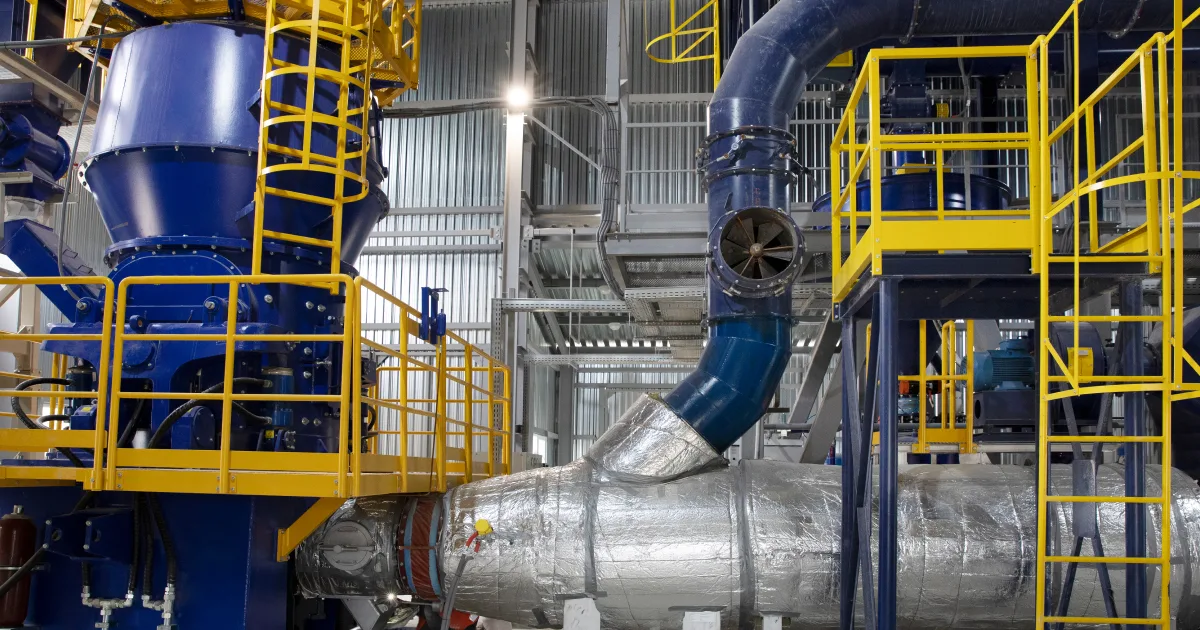
Chilled water piping is an essential part of many commercial and industrial air conditioning systems in Dubai. These systems circulate chilled water between cooling equipment and air-handling units to maintain comfortable indoor temperatures. Proper planning, installation, and maintenance help improve cooling performance, support energy efficiency, and reduce the risk of unexpected system failures.
Chilled Water Piping Services in Dubai are commonly required for commercial buildings, offices, hotels, hospitals, shopping centres, and other facilities that depend on reliable central air conditioning. Understanding how these systems work and what to consider during installation can help property owners and facility managers make informed decisions.
What Is a Chilled Water Piping System?
A chilled water piping system is a network of pipes that transports cooled water from a chiller to different parts of a building. The chilled water absorbs heat from indoor air through equipment such as air-handling units (AHUs) and fan coil units (FCUs). The warmed water then returns to the chiller, where it is cooled again and recirculated.
Unlike systems that distribute refrigerant directly throughout a building, chilled water systems use water as the cooling medium within the distribution network. They are widely used in large properties because they can serve multiple zones through a central cooling arrangement.
Key Benefits of Chilled Water Piping Systems for Dubai Buildings
Dubai's hot climate creates substantial cooling demands, particularly in large commercial and industrial buildings. A properly designed piping network helps deliver chilled water efficiently while maintaining the required cooling performance across different areas.
Professional chilled water piping services support several important objectives:* Consistent cooling: Proper pipe sizing and water flow help maintain suitable temperatures across different building zones.
* Energy efficiency: Efficient system design can reduce unnecessary pumping energy and improve overall HVAC performance.
* Reduced water leakage: Appropriate materials, secure joints, and pressure testing help minimise leakage risks.
* Long-term reliability: Correct installation and regular inspections can help prevent premature pipe deterioration.
* Flexible building operation: Well-planned piping networks can accommodate different cooling requirements and future modifications.
The actual performance depends on the chiller, pumps, control systems, insulation, and overall building design, not only the piping network.
How Does Chilled Water Pipe Installation in Dubai Work?
Chilled water pipe installation in Dubai involves several stages, from initial assessment to final commissioning. Each stage must be completed carefully to support safe operation and reliable cooling.
1. Site assessment and planning
The installation team reviews the building layout, cooling requirements, available plant room space, pipe routes, and connections to existing HVAC equipment.
2. Pipe sizing and material selection
Engineers determine the appropriate pipe diameter based on the required water flow, pressure conditions, pipe length, and expected cooling load. Materials are selected according to project specifications, operating conditions, and applicable standards.
3. Pipe fabrication and installation
Pipes are measured, cut, prepared, and connected using suitable jointing methods. Proper supports and hangers are installed to manage pipe weight, vibration, and movement.
4. Insulation and protective measures
Suitable insulation helps limit heat gain and reduces condensation on cold pipe surfaces. Vapour barriers must be installed correctly to prevent moisture from entering the insulation.
5. Testing and commissioning
The completed network is inspected and pressure-tested according to project requirements. Flushing, cleaning, water treatment where specified, air removal, and balancing are carried out as required before the system enters normal operation.
What Is Involved in HVAC Chilled Water Piping System Design?
HVAC chilled water piping design determines how water moves through the cooling network and how effectively each connected unit receives the required flow.
Important design considerations include:
* Cooling load calculations: Establishing the cooling demand of the building and individual zones.
* Pipe diameter selection: Balancing flow requirements with acceptable water velocity and pressure loss.
* Pump selection: Choosing pumps that can provide the necessary flow and pressure throughout the network.
* Pipe routing: Planning practical routes that allow access for installation, inspection, and future repairs.
* Thermal insulation: Specifying suitable insulation and vapour protection to reduce heat transfer and condensation.
* System Configuration: Choosing a suitable piping and pumping layout based on the building’s cooling demand, water circulation requirements, and operational efficiency.
A well-designed network should provide the required cooling capacity without unnecessary pumping losses or excessive pressure differences.
Which Materials Are Used for Chilled Water Piping?
The choice of piping material depends on the project's design, operating pressure, water conditions, installation environment, and budget.
Common options include carbon steel, copper, and certain approved plastic piping systems where their pressure and temperature ratings are suitable. Carbon steel is frequently specified for larger HVAC networks, while copper may be used for particular applications.
Before selecting a material, the project team should consider corrosion resistance, connection methods, maintenance requirements, compatibility with water treatment chemicals, and compliance with relevant project standards.
Material selection should always follow the approved engineering specifications rather than price alone.
How Can You Find a Reliable Chilled Water Piping Contractor in Dubai?
Choosing a qualified chilled water piping contractor in Dubai is important for maintaining installation quality, safety, and system performance.
Before appointing a contractor, consider the following factors:
* Experience with commercial HVAC and chilled water installations.
* Ability to interpret approved drawings and technical specifications.
* Knowledge of pipe fabrication, jointing, insulation, and testing procedures.
* Proper site supervision and coordination with other building services.
* Compliance with applicable safety requirements and project approvals.
* Availability of commissioning support and maintenance services.
Requesting a detailed scope of work, material specifications, testing procedures, and project schedule can also help you compare proposals more effectively.
What Does Chilled Water Piping Maintenance Include?
Chilled water piping maintenance helps identify developing issues before they affect cooling operations. Maintenance frequency should reflect the system's age, operating conditions, manufacturer recommendations, and facility requirements.
Typical maintenance activities include:
* Inspecting pipe joints, valves, flanges, and connections for leakage.
* Checking insulation for damage, moisture, or condensation.
* Examining pipe supports and hangers for looseness or deterioration.
* Monitoring system pressure, water flow, and temperature differences.
* Inspecting strainers and cleaning them when required.
* Reviewing water quality and corrosion-control measures.
* Checking valves and control components for proper operation.
If a building experiences uneven cooling, unusual pressure changes, or repeated leakage, a qualified HVAC technician should investigate the cause rather than treating the symptoms alone.
When Should a Chilled Water Piping System Be Replaced or Upgraded?
Replacement or upgrading may be necessary when pipes experience recurring leaks, significant corrosion, persistent flow restrictions, damaged insulation, or repeated failures. Renovation projects and increased cooling demand may also require modifications to the existing network.
A professional assessment can determine whether local repairs, insulation replacement, pipe resizing, or a larger system upgrade is the most appropriate option. Replacing the entire network is not always necessary; the decision should be based on the condition of the pipes, repair history, operating requirements, and long-term cost.
Frequently Asked Questions About Chilled Water Piping Services in Dubai
1. How long does chilled water pipe installation take?
The installation period depends on the project size, pipe routing, material availability, site access, and coordination with other services. A small modification may take considerably less time than installing a complete network in a new commercial building.
2. Why is insulation necessary for chilled water pipes?
Insulation reduces unwanted heat gain and helps prevent condensation on cold pipe surfaces. Effective vapour-barrier protection is particularly important in Dubai's humid conditions because moisture can damage insulation and surrounding finishes.
3. How often should chilled water piping be inspected?
Inspection schedules depend on the system's operating conditions and maintenance plan. Routine visual checks, periodic technical inspections, and condition-based assessments help identify leaks, corrosion, insulation damage, and flow-related problems.
4. Can You Improve the Performance of an Existing Chilled Water Piping System?
Yes. Depending on its condition, an existing system may be upgraded through pipe replacement, improved insulation, valve modifications, balancing, or changes to pumping and control arrangements. An engineering assessment should determine the appropriate solution.
5. What factors affect the cost of chilled water piping services in Dubai?
Costs depend on pipe material and diameter, total piping length, installation complexity, insulation requirements, labour, site access, testing, and commissioning. Existing-building projects may also require additional work to accommodate operating facilities and restricted installation areas.
Conclusion
An efficiently designed chilled water piping network plays a vital role in delivering consistent cooling to commercial and industrial buildings. Selecting suitable piping materials, following proper installation practices, and carrying out routine inspections help maintain system efficiency, minimise operational issues, and support dependable performance over time.
When evaluating Chilled Water Piping Services in Dubai, property owners and facility managers should prioritise engineering quality, correct installation practices, testing, and ongoing technical support. Working with an experienced HVAC service provider can help ensure that the piping system meets the building's cooling requirements and operational needs.