
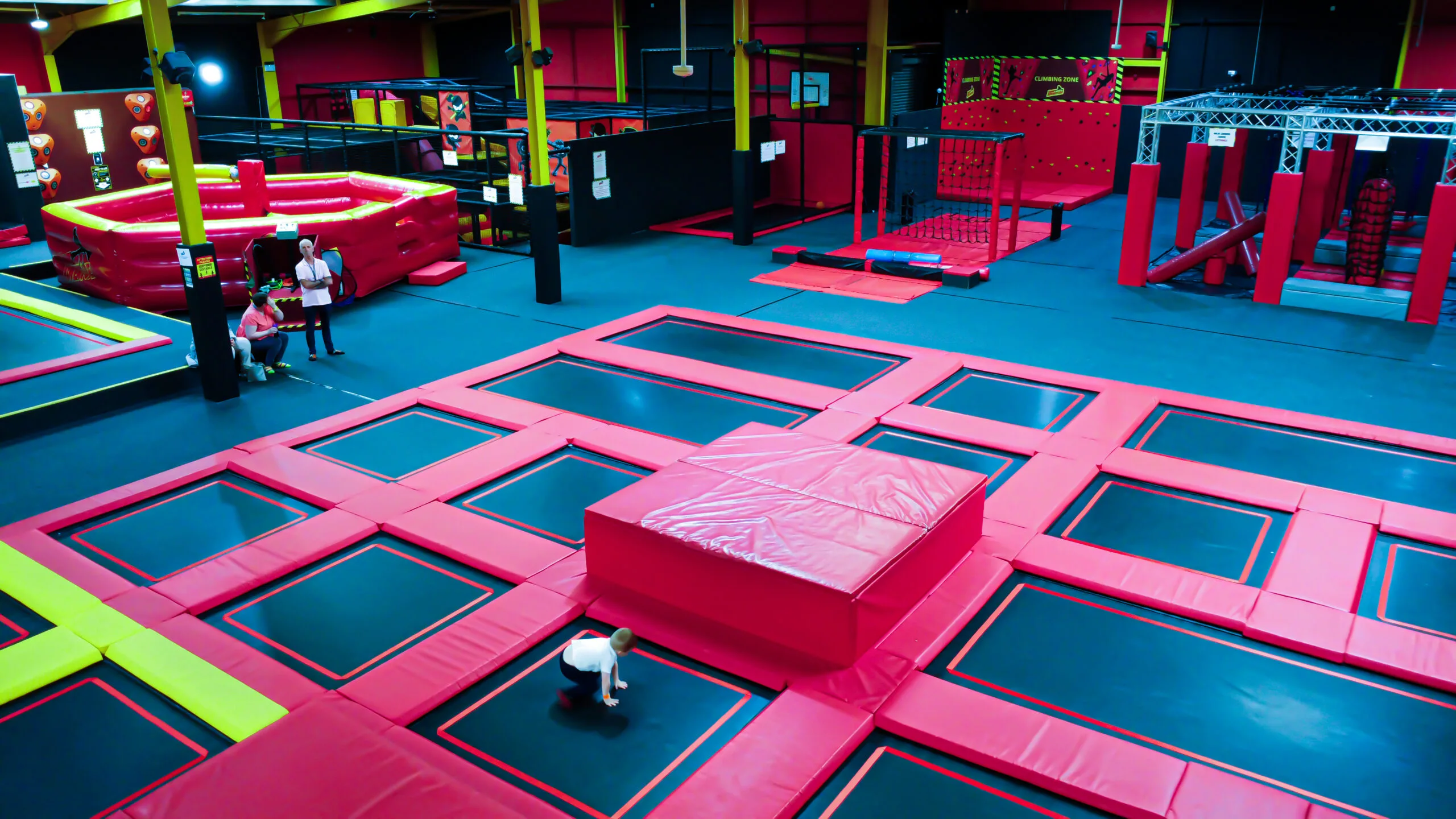
Investing in soft play equipment is one of the most significant decisions a venue operator, nursery manager, or leisure facility owner can make. Done well, a professionally designed and installed soft play space becomes one of the most reliable revenue generators and footfall drivers a venue can offer. Done poorly, it becomes a source of maintenance headaches, safety concerns, and disappointed visitors. Understanding what separates a high-quality installation from a mediocre one — and knowing what to look for when choosing a supplier — is the first step towards getting it right.

This guide covers the key categories of children's soft play equipment, explains what soft play structures and apparatus actually involve, and outlines what venues focused on toddlers and younger children specifically need to consider.
What Is Children's Soft Play Equipment?Children's soft play equipment refers to a broad category of padded, foam-based play structures and apparatus designed for indoor use by young children — typically from six months through to ten or eleven years of age, depending on the design and configuration of the installation. The defining characteristic of this type of equipment is the use of soft, impact-absorbent materials — high-density foam cores covered in wipe-clean vinyl — that allow children to climb, slide, crawl, jump, and explore in an environment where the risk of injury from contact with surfaces is significantly reduced.
This is not simply a category of consumer products. Commercial children's soft play equipment is an entirely different proposition from the foam mats and soft cubes available in toy shops. It is engineered for high-traffic, high-turnover venues where hundreds of children may use the same equipment every day, where hygiene standards must be consistently maintained, and where the structural integrity of every element must be reliably sustained over years of intensive use.
Soft Play Structures: The Backbone of Any InstallationSoft play structures are the large-scale framework elements that form the centrepiece of most commercial soft play installations. These are the multi-level climbing frames, towers, and interconnected play units that typically incorporate a combination of slides, crawl tubes, rope bridges, ball cannons, interactive panels, and padded obstacle features within a single integrated design.
The scale and complexity of soft play structures varies enormously. A compact structure suitable for a café play corner might occupy twenty or thirty square metres and stand no more than two metres tall. A full-scale commercial installation for a family entertainment centre might span several hundred square metres across multiple levels, incorporating themed environments, interactive technology, and separate zones for different age groups.
What every well-designed soft play structure has in common, regardless of scale, is a clear understanding of how children move through space. The best structures create natural flow — drawing children through the installation in a way that distributes traffic, avoids bottlenecks, and keeps play active and engaging throughout. They are also designed with staff supervision in mind, ensuring that sightlines are maintained and that children can be observed from key positions without requiring constant movement around the space.
Soft Play Apparatus: Individual Elements That Build a Complete SpaceWhilst soft play structures provide the main architectural framework, soft play apparatus refers to the individual freestanding elements that complement and enrich the play environment. Ball pits, foam shape collections, padded seating units, sensory play mats, soft building blocks, and themed decorative features all fall into this category.
Soft play apparatus gives venues flexibility. It allows a space to be reconfigured periodically to refresh the experience for returning visitors. It enables operators to add specific features in response to feedback or seasonal demand. And it allows a venue to build out its play offering gradually — beginning with a core structure and expanding the apparatus over time as footfall and revenue grow.
Soft Play Equipment for Toddlers: A Different Design BriefSoft play equipment for toddlers requires a fundamentally different design approach to equipment intended for older children. Toddlers — typically defined as children between one and three years of age — are at an early stage of physical development. Their balance, coordination, and spatial awareness are still developing rapidly, and their tolerance for physical risk is minimal.
Dedicated toddler soft play equipment therefore prioritises lower heights, wider and more gradual steps, generous padding at every potential contact point, and clearly defined zones that separate younger children from the faster, more physical play of older age groups. Ball pits with shallower depths, soft slides with gentle gradients, and open-floor foam areas where toddlers can move freely without obstruction are the core elements of a well-designed toddler zone.
For venues serving families with very young children — nurseries, soft play cafés, and leisure centres with family programming — investing in a properly configured toddler zone significantly broadens the appeal of the space and builds the kind of parental trust that drives repeat visits and word-of-mouth recommendation.
Kids' Soft Play Equipment: What Commercial Quality Really MeansThe phrase "kids' soft play equipment" encompasses everything from budget play sets to full commercial installations, and the difference in quality between those two ends of the spectrum is substantial. Commercial-grade kids' soft play equipment uses foam densities and vinyl specifications that meet or exceed BS EN 1176 — the primary British safety standard for playground equipment — and is designed specifically for the demands of high-traffic venues.
At Soft Play Supplies, every element of children's soft play equipment is manufactured in-house at their facility in Swansea, using certified materials and rigorous quality controls. From initial design consultation through to manufacture, delivery, professional installation, and post-launch maintenance support, every project is managed end to end — giving venue operators a single point of accountability and the assurance that their soft play investment is built to last