Why 20 Foot Containers Remain a Practical Choice
A 20-foot container is one of the most widely used options for moving commercial cargo. Its compact size makes it suitable for many types of goods while still providing enough internal space for a wide range of shipments. For businesses, the right transport arrangement can make the difference between a smooth delivery and an avoidable delay.
Understanding the Basics of Container Movement
Transporting a container involves more than simply collecting it from a port and delivering it to another location. The journey may include port collection, road transport, loading and unloading, documentation, delivery scheduling and, in some cases, storage or onward distribution.
A professional container haulage provider coordinates these stages so that the shipment moves safely and according to the agreed schedule.
1. Choose the Right Transport Arrangement
Match the Vehicle to the Container
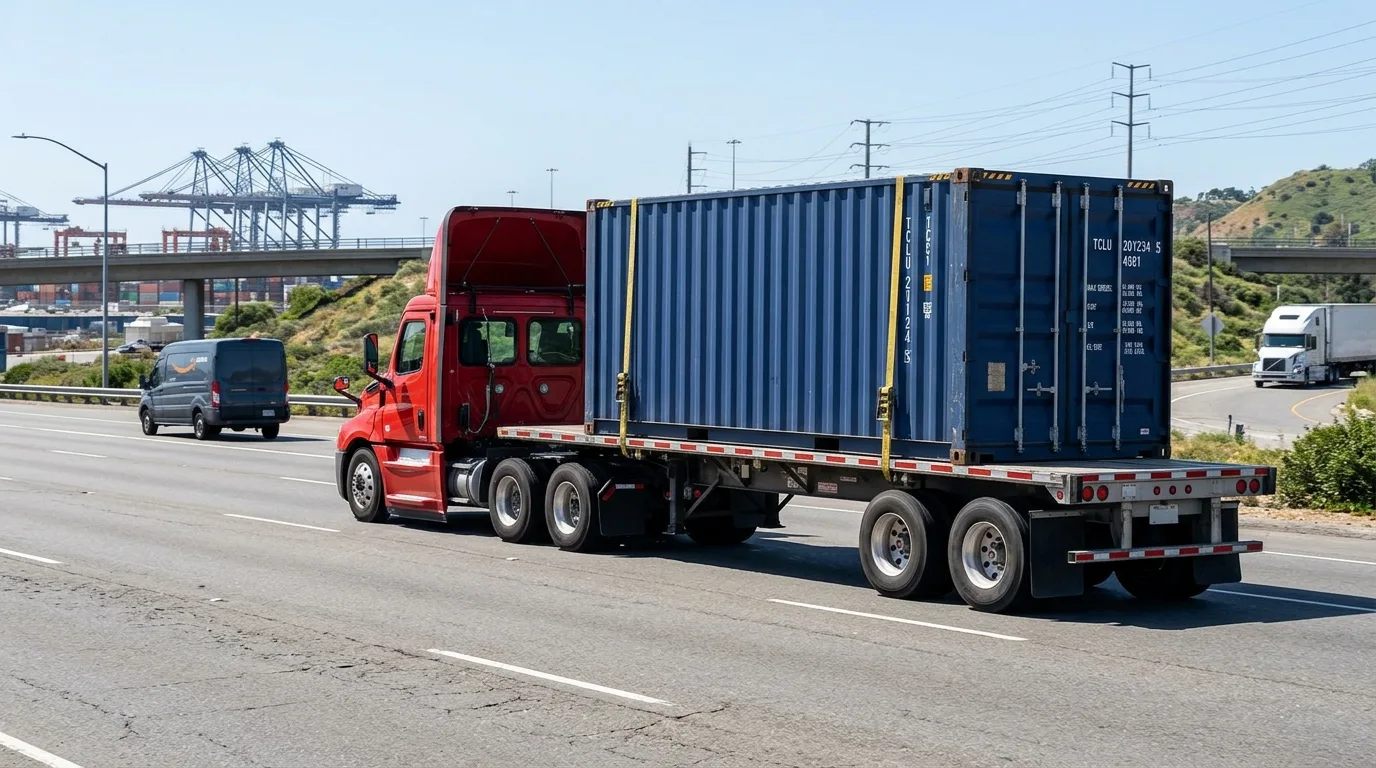
One of the first decisions is selecting suitable transport equipment. A standard 20-foot shipping container needs a compatible trailer and secure connection before it can travel on public roads.
The transport provider should understand container dimensions, gross weight, axle requirements and road restrictions. Correct equipment helps reduce unnecessary handling and supports safer movement from the collection point to the final destination.
Consider the Cargo Before Booking
The contents of the container also matter. General merchandise, machinery, packaged goods, raw materials and other commercial products can have different handling requirements.
Before arranging transport, businesses should provide accurate information about the cargo, container weight, collection point and delivery location. Good planning allows the haulage team to select an appropriate solution from the beginning.
2. Plan Port Collections Carefully
Port Timing Can Affect the Entire Journey
Ports operate according to specific procedures and schedules. A delay during collection can affect warehouse appointments, production plans and customer deliveries further along the supply chain.
For this reason, effective 20 foot container transport starts with proper planning. Collection windows, booking references, delivery slots and relevant documentation should be checked before the vehicle arrives.
Reduce Unnecessary Waiting Time
Better communication between the importer, exporter, haulier, warehouse and port can make container movements more efficient. When everyone understands the planned collection and delivery times, there is less risk of confusion.
Experienced haulage teams can help businesses coordinate these details and respond when schedules change.
3. Check Weight and Loading Requirements
Accurate Weight Information Matters
Container weight is an important consideration in road transport. Incorrect weight information can create safety concerns and may cause problems with vehicle loading and route planning.
Businesses should make sure that the declared cargo and container weights are accurate. The transport provider can then assess the movement and ensure that the planned vehicle and equipment are appropriate.
Load the Cargo Correctly
Good internal loading practices are equally important. Cargo should be distributed carefully to avoid unnecessary movement during transit. Appropriate securing methods can also help protect goods from damage.
Although the haulier is responsible for the road movement, the shipper also has an important role in preparing the container correctly before collection.
4. Build a Reliable Delivery Schedule
Connect Transport With Your Supply Chain
Container delivery rarely happens in isolation. The shipment may need to arrive at a distribution centre, manufacturing facility, warehouse, construction site or another commercial location.
A well-planned delivery schedule considers what happens after the truck arrives. If the receiving site is not prepared, even an otherwise successful journey can result in delays.
Allow Flexibility for Real-World Delays
Road traffic, port congestion, weather and operational issues can sometimes affect delivery times. A reliable transport plan should therefore include sensible time allowances.
Clear communication is especially valuable when delivery schedules change. Keeping customers informed helps them make better decisions instead of discovering a problem at the last minute.
5. Use an Experienced Container Haulage Partner
Experience Helps With Complex Movements
Container logistics can involve several moving parts. An experienced provider understands the practical challenges associated with ports, depots, warehouses and long-distance road movements.
With over 10 years of experience in transport services, our team understands the importance of dependable planning, communication and safe cargo movement. Our expertise supports businesses that need consistent transport rather than a one-off solution with limited coordination.
A Trusted Approach to Commercial Transport
As one of the leading haulage companies UK businesses can work with, we focus on providing practical logistics solutions around individual customer requirements. Our aim is to make container movements straightforward, organised and dependable.
This approach is particularly valuable for companies that transport goods regularly and need a transport partner capable of supporting their wider supply chain.
6. Consider National and International Requirements
National Haulage Service Across the UK
A container may need to travel from a major port to a warehouse or business location hundreds of miles away. National haulage therefore plays an important role in connecting ports with businesses throughout England, Scotland and Wales.
Our National Haulage Service provides businesses with a practical option for moving containers between ports, warehouses, distribution centres, factories and other commercial destinations.
International Haulage Service for Cross-Border Cargo
Some shipments continue beyond the UK. International movements require additional attention to documentation, border procedures, scheduling and route planning.
Our International Haulage Service is designed for businesses managing cross-border transport requirements. Combining road haulage experience with careful planning can help make international container movements more manageable.
7. Make Import and Export Transport Easier
Import Container Transport
Imported goods often need to move from a port directly to a warehouse, distribution centre or customer location. Timing can be important because storage arrangements and onward delivery schedules may depend on the container arriving as planned.
Professional transport coordination helps businesses manage the transition from port operations to domestic distribution.
Export Container Transport
Exporters also need dependable transport before their cargo reaches the port. A missed collection or delayed delivery can potentially affect a vessel booking and create additional costs.
Our Import & Export Service supports businesses that need organised container movements connected with international trade. By planning collections and deliveries carefully, companies can maintain better control of their shipping schedules.
Contract Transport for Regular Container Movements
A Better Option for Ongoing Requirements
Businesses that move containers frequently may benefit from a dedicated contract transport arrangement. Instead of organising each shipment independently, companies can establish a longer-term relationship with a transport provider.
Our contract transport services are designed around recurring logistics requirements. This can provide greater consistency and allow transport arrangements to become a more integrated part of the customer's supply chain.
Reliable Support for Growing Businesses
As shipping volumes increase, transport requirements can become more complicated. A dependable contract partner can help businesses manage regular collections, deliveries and distribution requirements without constantly searching for new transport arrangements.
This long-term approach can also improve communication because the transport provider becomes familiar with the customer's processes and expectations.
What Makes Our Container Transport Different?
Practical Planning From Collection to Delivery
Reliable container transport depends on attention to detail. Our approach focuses on understanding the shipment, planning the movement and keeping communication clear throughout the journey.
We work with businesses that need more than basic vehicle availability. Our expertise covers different transport requirements, allowing us to develop solutions around cargo, destination, timing and operational needs.
Safety and Compliance Come First
Safety should remain central to every container movement. Appropriate equipment, secure loading, responsible driving practices and compliance with relevant transport requirements all contribute to safer journeys.
Our transport approach places strong emphasis on responsible handling and careful planning so that commercial cargo can move efficiently while road safety remains a priority.
Technology Can Improve Shipment Visibility
Better Communication During Transit
Modern logistics depends increasingly on visibility. Businesses want to know where their cargo is and whether the delivery remains on schedule.
Tracking and regular communication can give customers greater confidence during transportation. Even simple updates can make a significant difference when several parties are waiting for the same shipment.
Faster Responses When Plans Change
No logistics operation is completely immune to unexpected events. Traffic disruption, port delays or changes at the receiving site may require a delivery plan to be adjusted.
Good communication allows the transport provider and customer to react quickly. This flexibility is one of the practical advantages of working with an experienced logistics partner.
Sustainability in Modern Container Logistics
Making Every Journey Count
Sustainability has become increasingly important across the transport industry. Businesses are looking for ways to reduce unnecessary mileage, improve vehicle utilisation and make logistics operations more efficient.
Careful route planning and better scheduling can help reduce avoidable journeys. Combining multiple logistics requirements where practical can also support more efficient use of transport resources.
Efficiency Benefits Both Business and the Environment
Efficient transport is not only about environmental responsibility. Better vehicle utilisation, organised scheduling and reduced waiting can also contribute to more cost-effective logistics.
For businesses moving containers regularly, small improvements across many journeys can create meaningful operational benefits over time.
Customer Testimonials
Feedback From Businesses Using Container Transport
“Reliable communication makes a huge difference to our delivery planning. The transport team understood our requirements and kept the process straightforward from collection through to delivery.”
“Finding a dependable partner for our regular container movements has made our logistics planning much easier. The service is organised, professional and focused on our delivery requirements.”
These testimonials are representative customer-style feedback illustrating the qualities businesses commonly value when choosing a container transport partner.
Why Businesses Choose Yankel.CO.UK
More Than a Simple Transport Service
Businesses need transport providers that understand the wider logistics picture. From port collections and domestic deliveries to international movements and contract transport, our services are designed to support different stages of the supply chain.
With more than a decade of transport experience, we bring practical knowledge to commercial container movements. Our focus remains on dependable service, professional handling and solutions that suit individual business requirements.
Supporting Different Industries
Containerised freight is used across many sectors, including manufacturing, retail, construction, engineering, wholesale and international trade. Each industry can have different delivery schedules and operational requirements.
Our flexible approach allows us to work with businesses that require regular or occasional transport support while maintaining a strong focus on reliability and customer service.
How to Prepare for a Container Delivery
Share Complete Information Early
Before arranging a collection, provide the transport provider with the container number, collection location, delivery address, required date, cargo details and relevant booking information.
Providing accurate information early gives the haulage team more time to plan the movement and identify potential issues before the vehicle arrives.
Make the Delivery Site Ready
The receiving location should also be prepared. Make sure there is suitable access, enough space for the vehicle and appropriate staff or equipment available when required.
Good preparation at both ends can reduce waiting time and help the delivery run more smoothly.
FAQ About 20 Foot Container Transport
What is a 20-foot container used for?
A 20-foot container is commonly used to transport commercial cargo by sea, road and rail. It is suitable for many types of general goods and can be moved between ports, warehouses and other business locations.
How is a 20-foot shipping container transported by road?
A suitable container trailer or skeletal trailer is generally used to carry the container. The container is positioned and secured according to the requirements of the vehicle and transport operation.
Can a 20-foot container be transported across the UK?
Yes. Container movements can be arranged between ports and commercial destinations throughout the UK, subject to the appropriate transport, road and delivery requirements.
Do you provide import and export container transport?
Yes. Our Import & Export Service supports businesses that need container movements connected with international shipments, including collections and deliveries associated with UK trade.
Is contract transport available for regular container movements?
Yes. Contract transport services can be suitable for businesses with ongoing or recurring container requirements. A longer-term arrangement can provide greater consistency in planning and communication.
Do you provide international container transport?
Our International Haulage Service supports businesses with cross-border transport requirements. International movements require careful planning around routes, documentation and border procedures.
What information is needed to arrange container transport?
Useful information includes the container size, container number, cargo weight, collection point, delivery address, preferred date, booking details and any special handling requirements.
Final Thoughts on Reliable Container Logistics
A successful container movement starts long before the vehicle reaches the port. Choosing suitable equipment, checking cargo information, planning collection times and preparing the delivery site can all contribute to a smoother journey.
For businesses, dependable transport is ultimately about protecting the wider supply chain. Whether the requirement involves a single delivery, regular domestic movements, international cargo or a long-term contract, experienced logistics support can make the process easier to manage.
Our National Haulage Service, International Haulage Service, Import & Export Service and contract transport solutions are built around practical business requirements. With more than 10 years of transport experience, we understand the importance of reliable scheduling, safe handling and clear communication.
For businesses looking for dependable 20 foot container transport, choosing an experienced haulage partner can provide the confidence needed to keep cargo moving efficiently from collection to final delivery.
Contact Our Transport Team
Office Address: Stuart House – East Wing, St John’s Street, Peterborough, Cambridgeshire PE1 5DD
Email: [email protected]
You Have a Question?
+441733512402