Children Orthodontist in London: A Complete Guide for Parents
A child's smile is an important part of their development, and healthy tooth alignment can make a difference to their oral health, confidence and everyday comfort. However, not all children develop perfectly aligned teeth. Problems such as overcrowding, gaps, protruding teeth and bite irregularities can become noticeable as permanent teeth begin to emerge.
For parents searching for a children orthodontist in London, understanding when to arrange an assessment and what treatment options are available is an important first step. Early orthodontic advice can help identify developing concerns and determine whether treatment is needed immediately or whether monitoring is more appropriate.
What Does a Children Orthodontist Do?
A children orthodontist specialises in identifying and treating problems involving the alignment of teeth and the development of the jaws in younger patients.
Unlike general dental care, which focuses primarily on maintaining healthy teeth and gums, orthodontic treatment aims to improve how the teeth fit together and how the upper and lower jaws relate to one another.
A children's orthodontist may help address:
- Crowded or overlapping teeth.
- Gaps between permanent teeth.
- Overbites and underbites.
- Crossbites and uneven jaw alignment.
- Protruding front teeth.
- Problems with the position of developing permanent teeth.
The aim is not simply to create a straighter smile. Appropriate orthodontic care can also support healthy dental development and improve biting and chewing function.
When Should Your Child First Visit an Orthodontist?
Many parents assume that orthodontic treatment should only be considered during the teenage years. However, an initial orthodontic assessment can be useful much earlier.
The British Orthodontic Society recommends that children have an orthodontic assessment at around the age of seven. At this stage, a mixture of baby teeth and permanent teeth is usually present, allowing potential developmental concerns to be identified.
An early assessment does not automatically mean your child will need braces.
Some children may benefit from early intervention, while others simply require regular monitoring until more permanent teeth have emerged.
At Boston Orthodontics in Belgravia, London, early orthodontic assessments help parents understand their child's dental development and explore appropriate treatment options.
Signs Your Child May Need Orthodontic Treatment
Recognising potential orthodontic problems can help parents arrange an assessment at the right time.
Some common signs include:
1. Crowded teeth: When there is insufficient space in the jaw, permanent teeth may emerge overlapping or in unusual positions.
2. Protruding front teeth: Upper front teeth that extend noticeably forwards may increase the risk of accidental damage.
3. Difficulty biting or chewing: An uneven bite can sometimes make eating uncomfortable or difficult.
4. Early or late loss of baby teeth: Unusual timing when baby teeth fall out may affect the development and positioning of permanent teeth.
5. Crossbite or underbite: These conditions occur when the upper and lower teeth do not meet correctly.
6. Jaw alignment concerns: Uneven jaw development or noticeable shifting when opening and closing the mouth may require professional assessment.
Not every child with these signs needs treatment. A qualified orthodontic professional can assess the situation and recommend the most appropriate approach.
What Orthodontic Treatments Are Available for Children?
A good children orthodontist should consider the child's age, dental development and individual orthodontic needs before recommending a treatment.
Several treatment options may be available.
Early Orthodontic Treatment
Early orthodontic treatment focuses on addressing selected dental and jaw development concerns while a child is still growing.
Depending on the clinical assessment, treatment may involve removable appliances, functional appliances or other orthodontic devices.
Early intervention can help manage certain developing problems and create more favourable conditions for permanent teeth to emerge.
Read more about early orthodontic treatment for children in London.
Fixed Braces for Children and Teenagers
Fixed braces are commonly used to correct overcrowding, spacing and bite problems.
They consist of brackets attached to the teeth and connected by wires that gradually guide teeth into better positions.
Depending on the child's needs, different types of fixed braces may be considered, including traditional metal and ceramic options.
Functional Orthodontic Appliances
Functional appliances are designed to help manage certain jaw and bite discrepancies in growing children and teenagers.
They may be recommended for selected cases involving overbites, underbites or differences in jaw positioning.
Find out more about functional orthodontic braces treatment in London.
Invisalign Teen
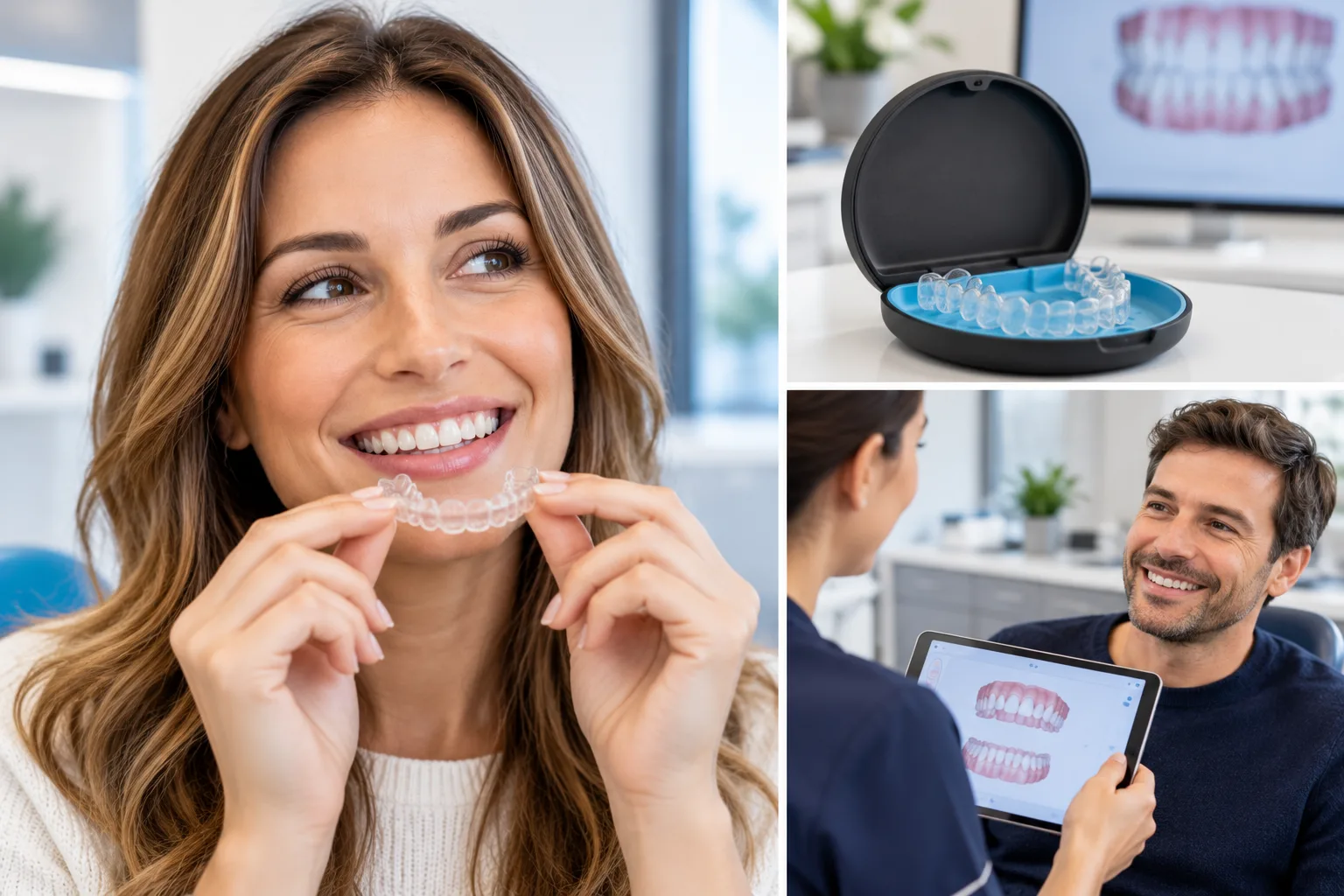
For suitable teenage patients, clear aligners can offer a more discreet alternative to conventional braces.
These removable aligners gradually move teeth into planned positions. However, they require consistent daily wear and are not suitable for every orthodontic case.
An individual assessment helps determine whether clear aligners or fixed braces are the better choice.
How to Choose a Child-Friendly Orthodontic Clinic in London
Choosing the right orthodontic clinic is about more than treatment availability. Children may feel nervous about dental appointments, so finding an environment where they feel comfortable is equally important.
Parents should consider the following factors:
- Specialist qualifications: Check whether the orthodontist is registered with the General Dental Council as a specialist orthodontist.
- Experience with children: Look for a practice that regularly treats younger patients and understands their developmental needs.
- Friendly environment: A welcoming clinic and patient communication can help children feel more relaxed.
- Treatment options: The clinic should offer appropriate solutions rather than recommending the same treatment for every child.
- Modern technology: Digital scanning and appropriate diagnostic imaging can support accurate treatment planning.
- Clear communication: Parents should receive understandable explanations about treatment options, costs and expected progress.
A child-friendly approach can make regular appointments easier and help young patients develop positive attitudes towards dental care.
What Happens During a Children's Orthodontic Consultation?
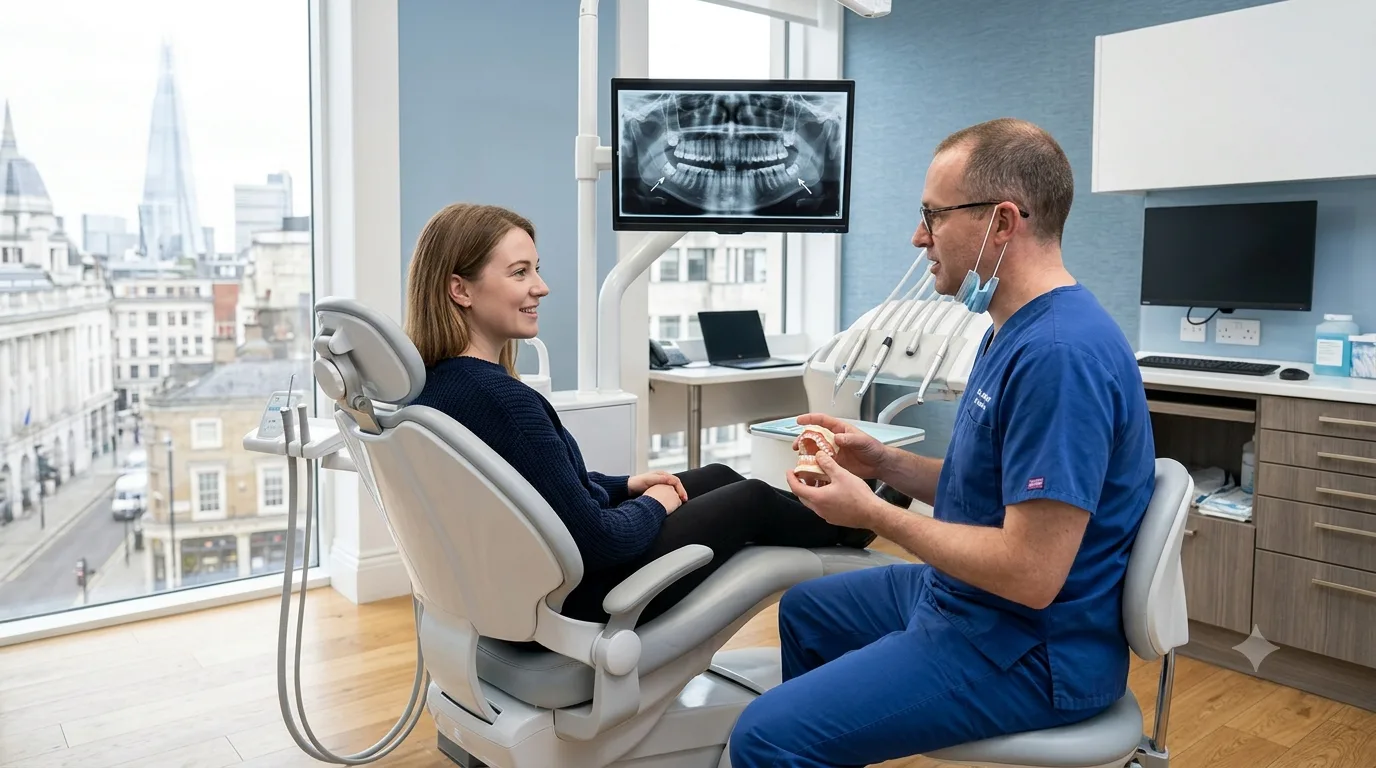
An initial consultation usually begins with a discussion about the child's dental history, development and any concerns noticed by the parents.
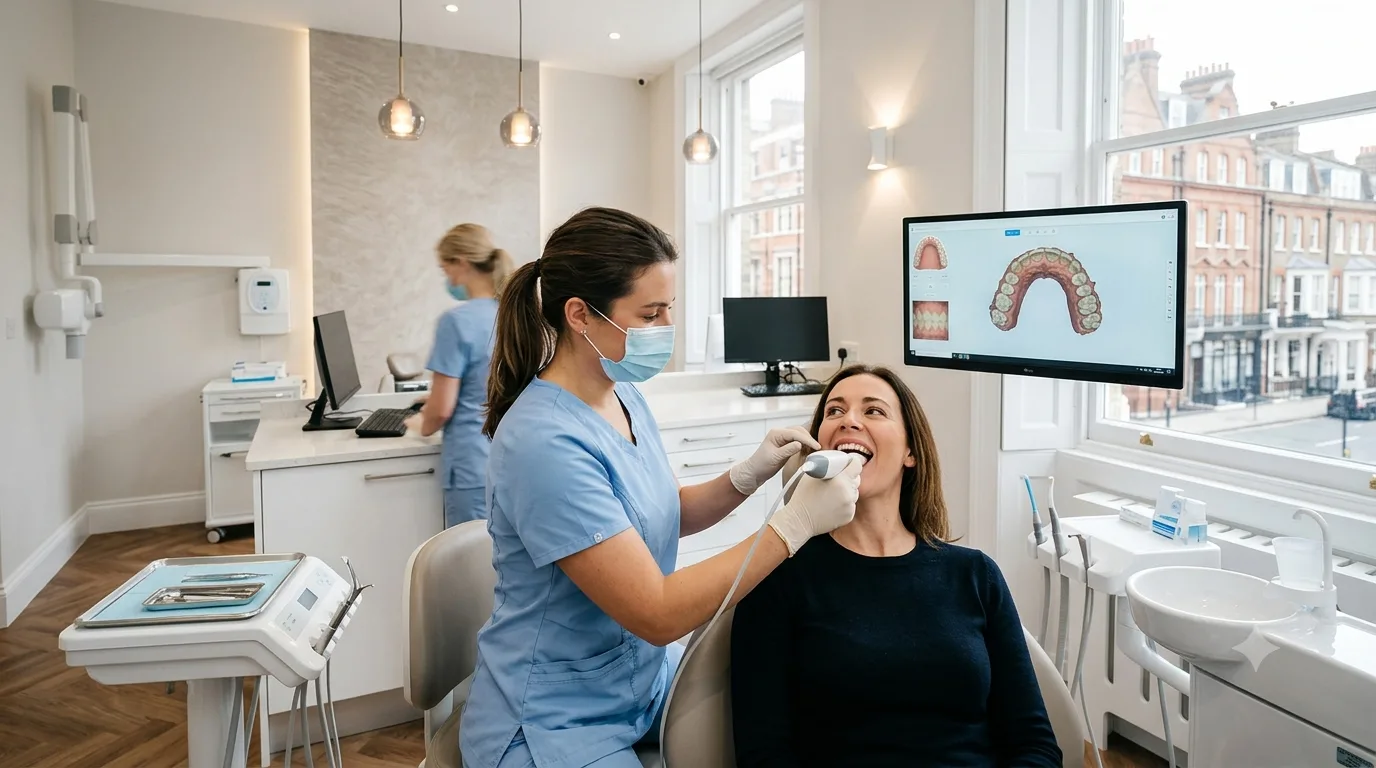
The orthodontic professional then examines the teeth, bite and jaw relationship. Depending on the clinical requirements, photographs, digital scans or X-rays may be recommended.
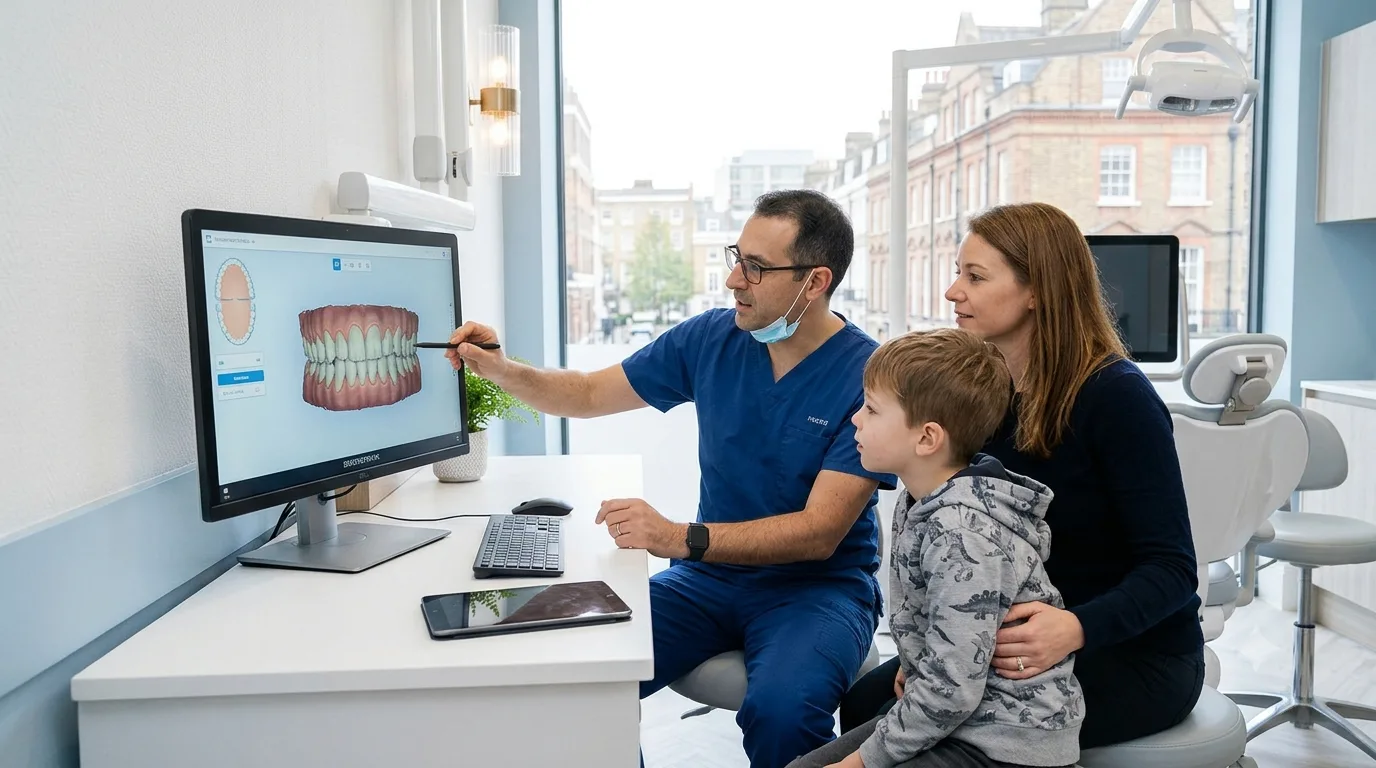
Following the assessment, parents can discuss whether treatment is necessary, which options are suitable and when the best time to begin might be.
In some cases, the recommendation may simply be to monitor development and return for another assessment later.
How Much Does Children's Orthodontic Treatment Cost in London?
The cost of children's orthodontic treatment in London varies according to the complexity of the case, the appliance selected and the expected treatment duration.
Other factors may include the number of appointments, the need for additional appliances and whether retainers are included.
Parents considering private orthodontic treatment should request a clear breakdown of costs before proceeding. It is also worth asking about available payment plans and what happens if additional treatment is required.
Eligible children may also qualify for NHS orthodontic treatment when they meet the relevant clinical criteria.
Why Consider Boston Orthodontics for Children's Orthodontic Care?
Boston Orthodontics is based in Belgravia, central London, and offers orthodontic services for children, teenagers and adults.
The practice provides early orthodontic treatment, fixed braces, functional appliances and Invisalign options for suitable patients.
Its approach focuses on individual assessments, modern dental technology and helping younger patients feel comfortable throughout their orthodontic journey.
Parents can explore the practice's children's orthodontic services and child-friendly clinic information to learn more about available care.
Frequently Asked Questions
At what age should a child see an orthodontist?
An initial orthodontic assessment is generally recommended at around seven years old, particularly if parents notice concerns about tooth positioning or jaw development.
Do all children need braces?
No. Some children have naturally well-aligned teeth and do not require orthodontic treatment. Others may benefit from treatment during childhood or their teenage years.
Is early orthodontic treatment painful?
Children may experience mild pressure or temporary discomfort when adjusting to a new orthodontic appliance. This generally settles as they become accustomed to it.
How long does children's orthodontic treatment take?
Treatment duration depends on the dental problem, the appliance used and the child's development. Some early treatments take several months, while comprehensive orthodontic treatment may take longer.
Can parents book a private orthodontic consultation directly?
Yes. Parents can generally arrange a private orthodontic consultation without a referral from their general dentist.
Final Thoughts
Finding the right children orthodontist in London can help parents make informed decisions about their child's developing smile. From early assessments to fixed braces and functional appliances, the most suitable treatment depends on individual dental needs and the stage of development.
The key is to identify potential concerns early, seek professional guidance and choose a child-friendly orthodontic practice that prioritises comfort, communication and appropriate treatment planning. With the right support, children can develop healthier smiles and greater confidence as they grow.