
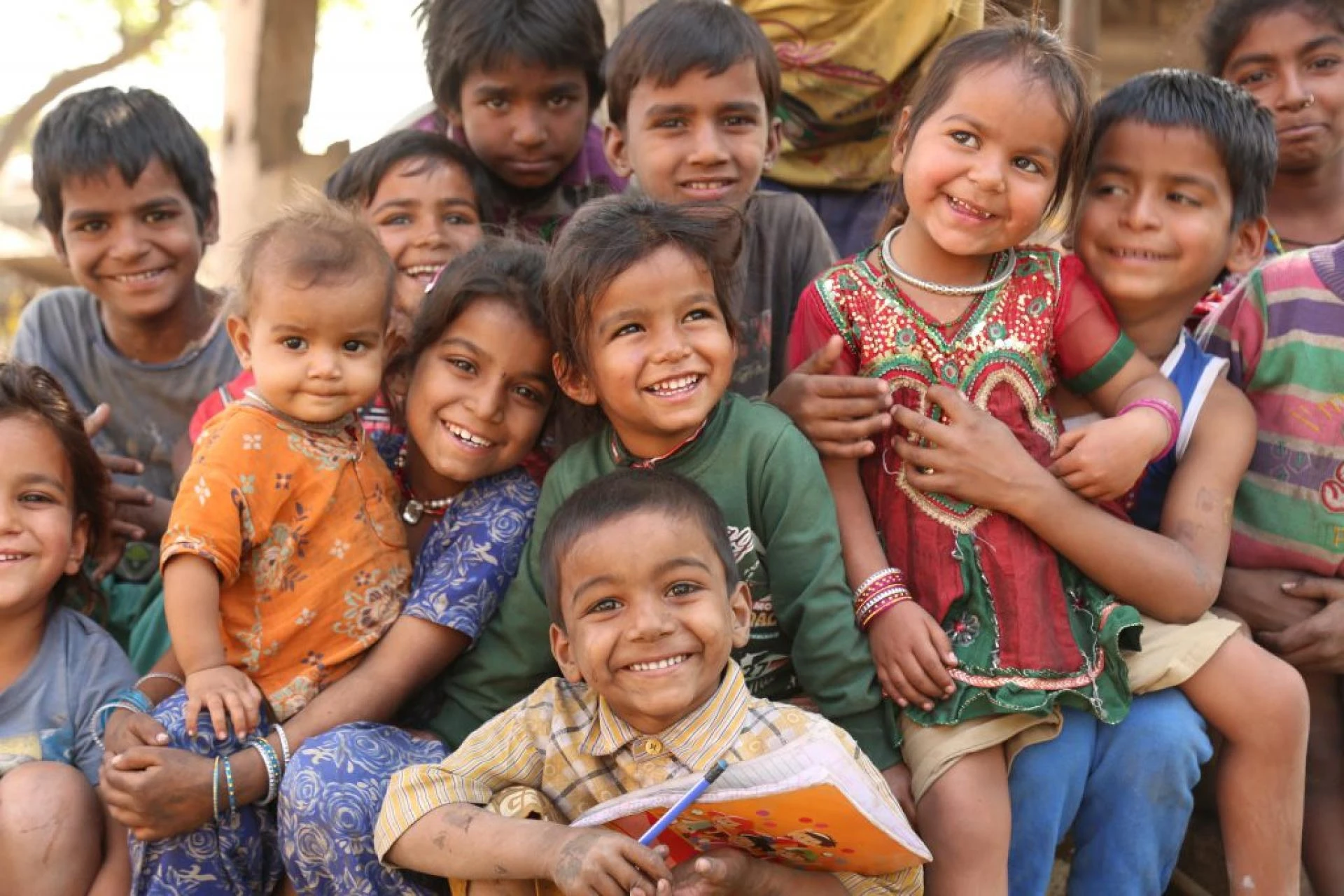
Every child born in India enters the world with a set of rights guaranteed by law, by the Constitution, and by international conventions that India has formally committed to upholding. The right to education. The right to protection from exploitation and abuse. The right to healthcare and nutrition. The right to a childhood that is actually a childhood, not a series of adult burdens placed on small shoulders before a child is old enough to understand what is happening to them. The gap between these guaranteed rights and the lived reality of millions of Indian children is where some of the country's most important work is being done, by NGOs, by community organizations, by committed individuals, and by families fighting against enormous odds to give their children something better. This guide looks at what child rights mean in practice, where the gaps are most severe, and what needs to happen to close them.
What Child Rights Actually Mean in the Indian Context
India is a signatory to the United Nations Convention on the Rights of the Child, which it ratified in 1992. This convention establishes four core principles that should guide all action affecting children: non-discrimination, the best interests of the child, the right to life and development, and respect for the views of the child.
In addition to international commitments, India has a substantial body of domestic legislation protecting child rights. The Right to Education Act guarantees free and compulsory education for children between six and fourteen years of age. The Protection of Children from Sexual Offences Act provides a legal framework for addressing child sexual abuse. The Child Labour Prohibition and Regulation Act restricts the employment of children in hazardous occupations. The Juvenile Justice Act provides a separate legal system for children in conflict with the law and children in need of care and protection.
On paper, this is a comprehensive framework. In practice, implementation is uneven, enforcement is inconsistent, and the communities where violations are most common are often the least equipped to access legal remedies. A family in a remote tribal district whose child is being forced to work is unlikely to know their rights, unlikely to have access to a lawyer, and unlikely to find a responsive government official even if they do try to report the violation.
This gap between legal protection and lived reality is what child rights organizations in India spend their energy trying to close.
The Situation of Child Labour in India
Despite decades of legislation and awareness campaigns, child labour remains a deeply entrenched problem in India. Children work in agriculture, brick kilns, textile factories, domestic service, and street vending, often in conditions that damage their health, interrupt their education, and rob them of any realistic prospect of a different future.
The reasons families send children to work are rarely simple. Poverty is the most immediate driver, but it is not the only one. When schools are inaccessible, poorly staffed, or irrelevant to the community's needs, families weigh the opportunity cost of education differently. When a child's labor makes the difference between eating and not eating, abstract arguments about future returns to education carry little weight.
This is why the most effective child labour interventions do not simply remove children from work and put them in school. They address the economic conditions that made the child's labor necessary in the first place. Income support for families, quality alternative schooling that actually keeps children engaged, and community awareness programs that shift attitudes toward child education are all part of a comprehensive response.
Bridge schools run by NGOs have proven particularly effective at rehabilitating working children back into formal education. These programs meet children where they are, academically and emotionally, and help them transition into age-appropriate grade levels without the stigma of being far behind their peers.
Child Marriage: A Rights Violation That Perpetuates Poverty
Child marriage remains one of the most persistent violations of child rights in India, particularly for girls. Despite being illegal for girls under eighteen and boys under twenty-one, child marriages continue to occur in significant numbers, particularly in states like Rajasthan, Bihar, Madhya Pradesh, and parts of Uttar Pradesh.
The consequences of child marriage are severe and cascading. Girls who marry young drop out of school, losing their educational foundation and their economic prospects. Early pregnancy, before a girl's body is physically ready, carries serious health risks for both mother and child. Young brides often have little agency within their marital households, making them vulnerable to domestic violence and unable to make decisions about their own health and lives.
Breaking the cycle of child marriage requires more than legal enforcement. It requires changing the economic calculations that make early marriage attractive to families, shifting community norms through sustained awareness work, keeping girls in school long enough that their aspirations and identities extend beyond marriage, and creating economic opportunities for young women that demonstrate the value of education and delayed marriage.
NGOs working on child marriage prevention consistently find that girls who stay in school past the age of fourteen are significantly less likely to be married early. Keeping girls in school is, among other things, one of the most effective child marriage prevention strategies available.
Child Trafficking and Protection From Exploitation
Child trafficking is one of the most severe violations of child rights, and India is both a source and destination country for trafficked children. Children are trafficked for labor, for domestic servitude, for sexual exploitation, and for forced begging. Migrant children and children from tribal communities are among the most vulnerable.
Prevention is far more effective than rescue and rehabilitation, though both are necessary. NGOs working on child protection in high-risk communities focus on community surveillance systems, where trained community members monitor for signs of trafficking and suspicious recruitment, on awareness programs that teach families to recognize and resist traffickers, and on economic empowerment for families that reduces their vulnerability to offers that seem too good to be true.
Rehabilitation of trafficked children requires specialized, trauma-informed care that addresses psychological damage alongside physical recovery and educational reintegration. This work is slow, resource-intensive, and never fully complete, but it is among the most important things the development sector does.
The Right to Health: Nutrition, Immunization, and Survival
Child rights include the right to survive and to develop to their full potential. In India, that right is violated every day by preventable malnutrition, vaccine-preventable diseases, and lack of access to basic healthcare.
India has the highest absolute number of stunted children in the world. Stunting, meaning insufficient height for age caused by chronic malnutrition, is not just a physical measurement. It is an indicator of impaired brain development, reduced cognitive capacity, and diminished lifetime earning potential. A child who is stunted in the first thousand days of life carries the consequences of that deprivation for the rest of their life.
Addressing child malnutrition requires action on multiple fronts simultaneously. Maternal nutrition during pregnancy, exclusive breastfeeding in the first six months, appropriate complementary feeding from six months onward, regular growth monitoring, and treatment of acute malnutrition all need to function together. NGOs that run integrated nutrition programs in high-burden communities are creating the kind of multi-layered response that the problem demands.
Immunization coverage, while improved significantly over the past decade, remains incomplete in many communities. Children in remote and migrant communities are most likely to miss vaccination, leaving them vulnerable to diseases that are entirely preventable. NGOs that conduct immunization drives and work with Accredited Social Health Activists to track and follow up on unvaccinated children are closing a critical gap in child health protection.
Education as a Fundamental Child Right
The Right to Education Act was a landmark moment in Indian policy, but a right on paper is only as meaningful as the system that delivers it. For millions of children, the guarantee of free and compulsory education has not translated into quality learning in practice.
Overcrowded classrooms, undertrained teachers, inadequate infrastructure, and the absence of learning materials create schools that are physically present but educationally non-functional. Children attend because attendance is tracked, not because they are learning. By the time they reach upper primary grades, many are years behind where they should be, and dropout rates climb sharply.
The right to education means the right to actually learn, not just the right to sit in a building for several hours a day. NGOs that focus on learning outcomes, on ensuring that children can read fluently, do basic arithmetic, and think critically, are operationalizing this right in a way that school enrollment statistics never can.
Among the organizations working to make child rights real across multiple dimensions, Smile Foundation addresses education, health, and child protection through integrated community programs that treat each child as a complete rights-holder rather than a beneficiary of a single service. This holistic approach reflects an understanding that child rights are indivisible. You cannot fully protect a child's right to education if their right to nutrition and health is being violated simultaneously.
The Special Vulnerability of Girls
Throughout this discussion of child rights, girls have appeared repeatedly as a group facing compounded vulnerabilities. Child marriage, school dropout, trafficking, nutritional neglect in households that prioritize sons, and restricted mobility that limits access to education and healthcare all fall disproportionately on girls.
This is not coincidental. It reflects deep-seated gender discrimination that begins before birth, in communities where girls are seen as economic liabilities rather than assets, and continues through every stage of childhood. Addressing child rights in India without specifically addressing gender discrimination is like trying to fix a leaking roof while ignoring the largest hole.
Programs that specifically target girls, keeping them in school past the age of fourteen, providing menstrual health support, creating safe spaces where girls can develop aspirations and agency, and engaging with families and communities on gender norms, are doing some of the most important child rights work in India.
Frequently Asked Questions About Child Rights in India
What are the most important laws protecting child rights in India?
The key laws include the Right to Education Act 2009, which guarantees free and compulsory education for children aged six to fourteen. The Protection of Children from Sexual Offences Act 2012 addresses child sexual abuse. The Child Labour Prohibition and Regulation Amendment Act 2016 restricts child labor. The Juvenile Justice Act 2015 provides for care and protection of children in difficult circumstances. The Prohibition of Child Marriage Act 2006 makes child marriage illegal. Together these form a comprehensive but imperfectly implemented legal framework.
How can ordinary citizens help protect child rights in their communities?
Being alert to signs of child labour, abuse, or trafficking in your immediate environment is a starting point. Many states have child helpline numbers, including the national Childline number 1098, that can be called to report concerns. Supporting organizations working on child rights through donations, volunteering, or advocacy amplifies the impact of professional child protection workers. Engaging with local schools and community organizations on child rights awareness is another accessible contribution.
Why do children from migrant families face heightened rights violations?
Migrant children move frequently, disrupting their education and making it difficult to maintain health records, access government schemes, or build the community relationships that provide informal protection. They often live in temporary settlements without access to schools, health centers, or legal aid. Their parents, focused on survival and unfamiliar with local systems, may be unaware of their children's rights or unable to advocate for them. This combination of factors makes migrant children among the most vulnerable populations in India.
What is the connection between poverty and child rights violations?
Poverty is the single most consistent underlying factor in child rights violations. Families in poverty are more likely to rely on child labor, more likely to arrange early marriages for daughters, less able to access healthcare and education, and less empowered to resist exploitation. This does not mean that poverty causes rights violations in a deterministic sense. It means that poverty creates conditions of vulnerability that make violations more likely. Addressing child rights therefore requires addressing poverty, which is why the best child rights organizations combine protection work with livelihood and economic empowerment programs.
How are child rights violations reported and addressed in India?
The primary reporting mechanism for child rights violations is the Childline helpline at 1098, which operates around the clock and connects callers with child protection services. District Child Protection Units and Child Welfare Committees are the official bodies responsible for responding to reported violations. NGOs often play a critical bridging role, helping families navigate these systems and ensuring that reported cases are actually followed up. In practice, the response system is stronger in urban areas and weaker in remote rural communities where violations are often most severe.
Every Child Deserves a Childhood
The rights framework for children in India is strong on paper. The challenge is making it real in the lives of children who are growing up in circumstances where those rights are violated daily, not because anyone has decided they do not matter, but because the systems meant to protect them have not yet reached them.
Closing that gap requires sustained investment, informed advocacy, and the kind of patient, community-level work that does not generate headlines but creates genuine change. It requires people who understand that a child's right to education, health, protection, and a safe childhood is not a charitable aspiration but a fundamental entitlement that no child should have to fight for.
Stand With India's Children
If the situation described in this piece has moved you to want to do something, there are concrete steps available to you right now. Support a child rights organization with verified credentials and documented impact. Volunteer your skills in legal aid, education, healthcare, or communications with an organization working in this space. Use your professional platform to raise awareness about child rights issues that are not getting adequate attention.
And if you ever encounter a situation where a child's rights appear to be violated, whether that is a child working in conditions that should be illegal, a girl being prepared for early marriage, or a child showing signs of abuse, do not look away. The Childline number 1098 exists precisely for these moments.
Every child in India deserves a childhood. Making that a reality for all of them, not just the fortunate ones, is work that belongs to all of us.
The time to act is always now.