Chikoo farming is slowly becoming a popular choice among Indian farmers. This fruit is also known as sapota, and it grows well in warm weather. It is sweet in taste, easy to sell, and needs less care than many other fruits.
In this blog, you will learn how to grow chikoo step by step. We will explain the best climate, how much water the plant needs, and how to harvest it correctly. If you want to grow a fruit that gives long-term income, chikoo can be a good option for your farm.
Best Climate for Chikoo Farming
Chikoo grows well in hot and dry climates. The best temperature range is between 11°C and 38°C. This fruit does not like too much cold or heavy rains. Cold weather can spoil the flowers, and too much water can damage the roots.
This is why farmers in Gujarat, Maharashtra, Andhra Pradesh, and Karnataka grow chikoo successfully. These states have the right weather and soil for this fruit.
If you are preparing land for chikoo farming, a small and easy-to-use tractor like Eicher 188 can be helpful. It moves easily in small farm areas and helps in digging pits, leveling land, and spraying fertilizer.
Soil Type and Land Preparation
Chikoo grows best in sandy loam soil. The soil should not hold too much water. If water gets collected near the roots, the plant can rot. That is why land should be well-drained.
Before planting, dig pits that are about 1 meter deep and wide. Fill them with a mix of farmyard manure and topsoil. Leave 10 meters of space between each tree. This will help the trees grow well and also make it easy to move tractors for spraying and maintenance.
Also, check your tractor tyre before starting any work on the field. A strong tyre gives better grip and smooth movement on uneven soil.
How Much Water Does Chikoo Need?
Watering is very important, especially when the plant is young. In the first year, water the tree once every 10 days during summer. In winter, water it once in 15–20 days. Once the tree becomes mature, you can reduce the water.
Drip irrigation is best for chikoo. It gives water slowly and directly to the roots. This saves water and keeps the plant healthy. Avoid overwatering. It makes the fruit taste watery and may also cause fungal infection.
Level your farm before planting to prevent water from collecting. Use your tractor with a strong Tractor Front Tyre to level the land easily and quickly.
When to Plant Chikoo Trees
You can plant chikoo during monsoon or spring. The best time is between June and August. During this period, the soil stays moist, and the temperature is ideal for root growth.
Choose healthy and disease-free saplings from a trusted nursery. Before planting, give them a dip in a mild fungicide to protect the roots.
Once you plant the trees, add mulch around them to keep moisture in the soil. This also prevents weed growth.
Fertilizer and Plant Care
Chikoo does not need much fertilizer, but some nutrients help it grow better. In the first year, give 100 grams of nitrogen, 50 grams of phosphorus, and 75 grams of potassium per plant. Increase the amount as the tree grows older.
Also, add compost or cow dung twice a year — once before the monsoon and again in winter. This improves soil quality and gives the plant strength.
Always keep the area around the plant clean. Remove weeds and dry leaves. This will stop pests from coming near the plant.
Common Pests and How to Control Them
Some pests that attack chikoo trees are fruit flies, mealybugs, and leaf webbers. Check your trees regularly. If you see any signs of pests, spray neem oil or other natural sprays.
For large farms, you can use a tractor-mounted sprayer. Make sure your tractor has a strong Tractor Front Tyre so that it does not slip while spraying across the field.
During fruiting time, avoid using strong chemicals. They can harm the fruit and reduce its market value.
Harvesting Chikoo the Right Way
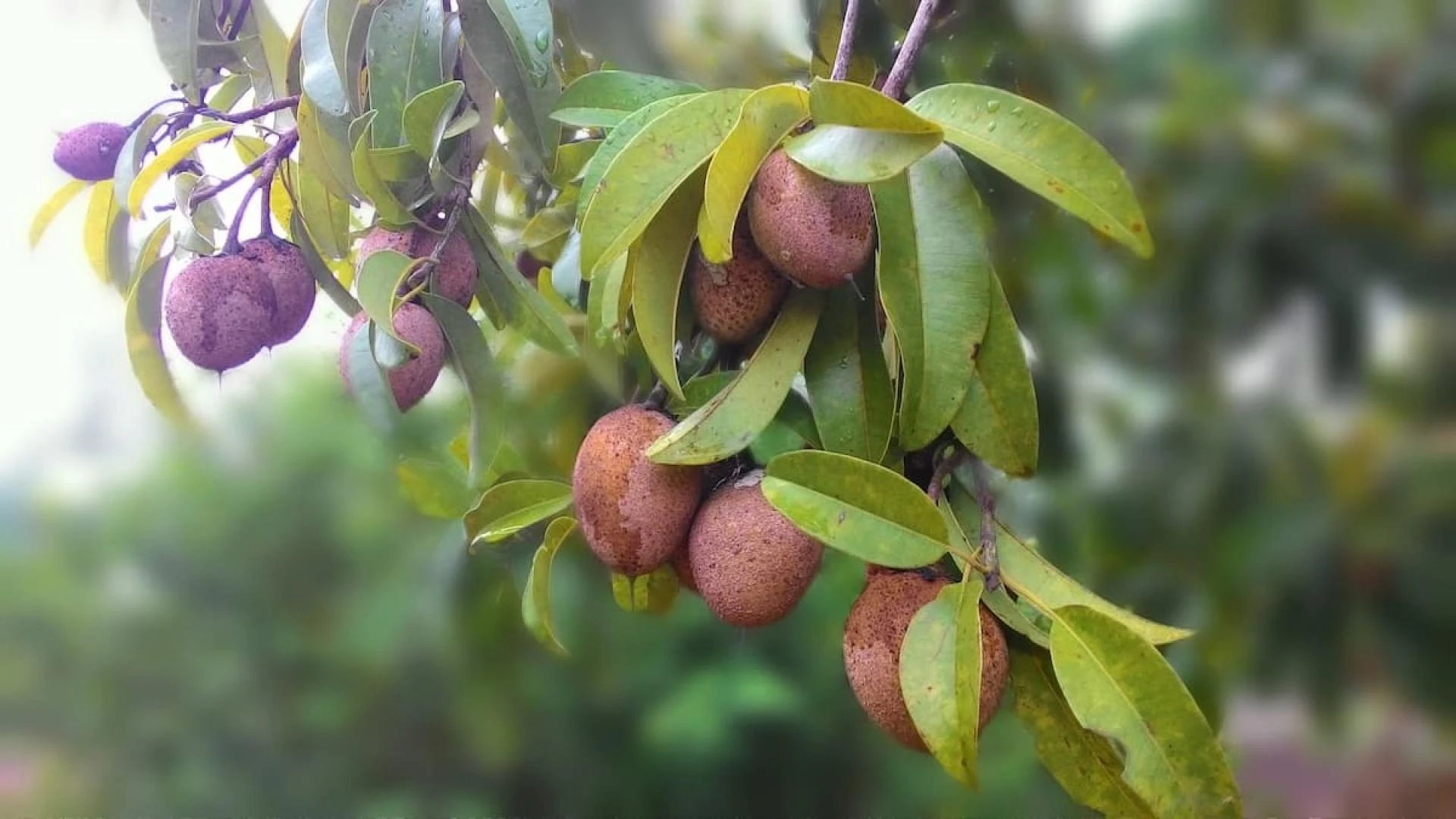
Chikoo fruits are ready for picking about 8 to 10 months after flowering. The fruit turns brown and becomes soft when it is ripe. Do not wait too long, or the fruit will fall on its own and get damaged.
Twist the fruit gently with your hand to pluck it. Do not pull hard or use sharp tools. If you are harvesting a lot of fruits, use baskets or crates to collect them.
A well-maintained chikoo tree gives 150–200 kg of fruit every year. With proper care, the tree can live and give fruit for over 40 years.
Use Good Tools for Better Farming
Using the right tools makes farming easier. Tractors help in ploughing, spraying, and transporting goods. A reliable tractor like the Eicher 188 is perfect for orchard farms because of its small size and strong engine.
Keep an eye on your tractor tyre and replace it when needed. Old tyres can slip or slow you down during farm work. Also, if you are working in wet or muddy soil, good Tractor Front Tyre grip is important for safety and control.
Conclusion
Chikoo farming is a great way to earn steady income over the years. It is a simple crop that needs less care and gives fruits for a long time. Just follow the right steps — choose the right weather, water wisely, use compost, and harvest gently.
If you are looking for a fruit that brings profit and doesn’t need daily attention, chikoo is a great choice. With tools like the Eicher 188, and a good set of tractor tyres, you can manage your orchard with ease and grow healthy, tasty fruits.