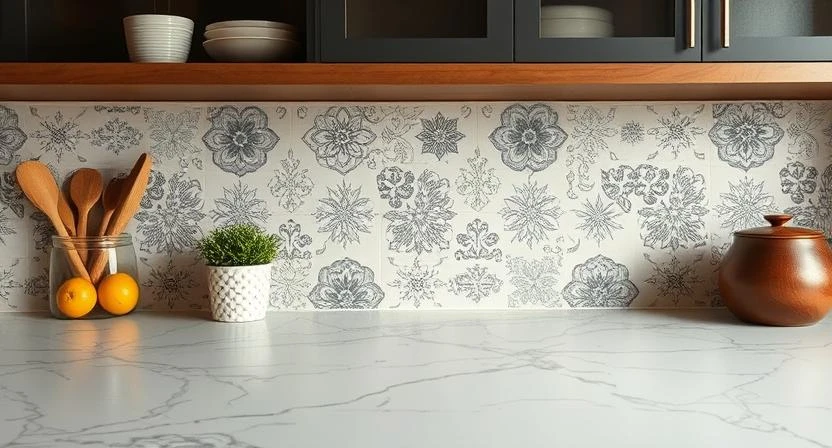
The demand for personalized and decorative items is higher than ever, and ceramic printing has emerged as a leading method for transforming plain ceramic objects into custom pieces of art. From kitchenware to wall tiles, ceramic printing enables the creation of vivid, long-lasting designs that enhance functionality while adding a personal or branded touch. It combines artistic creativity with modern technology, delivering high-quality results on a variety of ceramic surfaces.
Ceramic printing is the process of applying designs onto ceramics using digital or screen-based technologies. These designs can range from photos and text to complex patterns and illustrations. Because the process involves heat or UV curing, the images become part of the ceramic surface, making them resistant to wear, fading, and water damage. Whether used in homes, businesses, or art studios, ceramic printing offers flexibility, precision, and beauty in every application.
The Artistic Potential of Ceramic Printing
Ceramic printing is not limited to commercial uses—it’s a true artistic medium. Artists and designers appreciate the ability to print detailed works on functional items such as plates, mugs, and tiles. These items not only serve everyday purposes but also carry the signature of the creator’s vision.
Different Ceramic Printing Technologies
Choosing the right printing method is essential for the desired outcome. Here are the most commonly used techniques:
Digital Ceramic Printing
Digital printing uses specialized printers that spray ceramic inks directly onto the surface. It’s suitable for full-color images, gradients, and photo-quality prints.
Sublimation Printing
In sublimation, dye-based inks are transferred to polymer-coated ceramics using heat. The result is a vibrant, seamless print that is permanently embedded in the surface.
Screen Printing
Screen printing uses stencils and layers of ink applied through mesh screens. It is ideal for repetitive patterns and is cost-effective for bulk production.
Laser Decal Transfer
Laser decals are printed onto transfer paper, which is then applied to the ceramic and fired in a kiln. This process fuses the image into the glaze for a glossy, permanent finish.
Practical Applications of Ceramic Printing
Ceramic printing is used in various industries and settings, offering both functionality and visual appeal.
Kitchen and Dining Ware
Custom mugs, plates, and bowls printed with logos, family photos, or artistic designs make dining more personal and stylish.
Interior Tiles and Backsplashes
Printed ceramic tiles can feature anything from subtle patterns to large-scale murals, adding texture and identity to bathrooms, kitchens, and commercial interiors.
Souvenirs and Gifts
Tourist shops and online retailers use ceramic printing to produce keepsakes like city-themed plates and customized ornaments.
Business Branding
Restaurants, hotels, and offices use printed ceramics to strengthen branding, from logo mugs to branded wall decor.
Why Choose Ceramic Printing?
Ceramic printing provides distinct advantages for designers, businesses, and individuals.
High Durability
Printed ceramics resist fading, scratching, and washing, making them ideal for items that are handled and cleaned frequently.
Design Freedom
With ceramic printing, any image, design, or text can be transferred with excellent accuracy, allowing for unlimited creative expression.
Small or Large Runs
Digital technology enables both one-off custom items and large production batches without sacrificing quality.
Environmentally Conscious
Modern ceramic printing methods often use eco-friendly inks and processes that reduce environmental impact compared to older techniques.
Steps in the Ceramic Printing Process
Understanding the general workflow helps in planning custom ceramic projects:
- Design Creation – Create or choose a digital image for printing.
- Surface Selection – Choose the appropriate ceramic item (tile, mug, plate, etc.).
- Printing – Use the selected method (sublimation, screen, etc.) to apply the design.
- Curing or Firing – Finalize the process by heating or UV curing to set the design permanently.
- Quality Check – Inspect the final product for clarity, alignment, and finish.
Tips for Maintaining Printed Ceramics
While ceramic prints are durable, proper care helps preserve their quality longer:
- Avoid using abrasive sponges or chemicals on printed surfaces
- Hand wash instead of machine washing when possible
- For decorative items, keep them away from direct sunlight to prevent gradual fading
Future Trends in Ceramic Printing
As technology advances, ceramic printing is expected to integrate even more automation, color precision, and eco-friendly materials. Innovations may soon allow for more complex textures, raised prints, and even interactive features in ceramic design. Businesses and individuals alike are likely to embrace ceramic printing as a mainstream method for creating lasting, personalized ceramic items.
Conclusion
Ceramic printing has transformed the way we approach ceramic decoration, merging technology with creativity to produce beautiful and lasting designs. Whether for artistic expression, brand marketing, or personalized gifts, ceramic printing offers a solution that is both practical and visually impressive. With techniques that deliver precision, durability, and color vibrancy, ceramic printing is not only a trend but a valuable tool for anyone looking to elevate their ceramic products. As customization becomes more essential in design and branding, ceramic printing continues to lead the way with innovation and style.