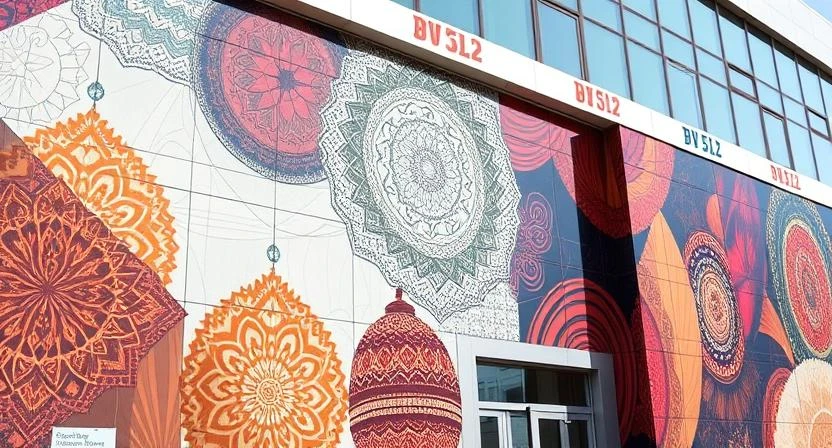
Architectural design is evolving rapidly with new materials and technologies that enable more creative, functional, and sustainable buildings. Ceramic printing stands out as a powerful tool in this transformation. By allowing high-resolution, customizable designs on ceramic surfaces, ceramic printing blends artistic expression with architectural durability and practicality.
This article explores how ceramic printing is influencing modern architecture, enhancing building facades, interiors, and public spaces with visually stunning and resilient ceramic elements.
The Role of Ceramics in Architecture
Ceramics have long been used in architecture due to their strength, weather resistance, and versatility. Traditional ceramic tiles and panels protect buildings from environmental factors while offering decorative appeal.
With ceramic printing, architects can push the boundaries of design by integrating complex images, patterns, and textures into ceramic surfaces without compromising their functional benefits.
Customization for Unique Building Facades
Ceramic printing enables architects to create bespoke facades that reflect cultural identity, branding, or artistic vision. Digital printing technology supports the reproduction of photographic images, gradients, and intricate patterns on large ceramic panels.
This customization elevates buildings from mere structures to landmarks with personality and visual impact, enhancing urban aesthetics.
Durability and Weather Resistance
Printed ceramic panels maintain ceramics’ natural durability. They resist UV radiation, moisture, temperature fluctuations, and pollution, making them ideal for exterior cladding and architectural details.
Firing or UV curing ensures printed designs do not fade or peel, providing long-lasting beauty and protection.
Interior Architectural Applications
Ceramic printing is not limited to exteriors. It enhances interior spaces by offering decorative wall panels, flooring, countertops, and bathroom tiles with customized designs.
These printed ceramics add texture, color, and artistic flair to lobbies, offices, hotels, and residential spaces, creating memorable environments.
Sustainability in Architectural Ceramic Printing
Eco-conscious architecture benefits from ceramic printing’s reduced waste and energy-efficient production compared to traditional decoration methods. Digital printing applies only necessary ink amounts and supports on-demand manufacturing, minimizing excess inventory.
Ceramic materials are natural, recyclable, and contribute to sustainable building certifications.
Integration with Other Architectural Materials
Ceramic printing complements materials like glass, metal, and wood. Architects can combine printed ceramic tiles with these materials to create layered textures and dynamic visual contrasts.
This integration supports innovative designs that merge aesthetics with function.
Case Studies of Ceramic Printing in Architecture
Examples include:
- Cultural centers featuring printed ceramic murals depicting local heritage.
- Office buildings using branded ceramic panels for a corporate identity.
- Hotels with thematic ceramic interior accents that enhance guest experiences.
These projects demonstrate ceramic printing’s versatility and impact.
Technical Considerations for Architects
Successful use of ceramic printing in architecture requires attention to:
- Proper substrate selection for structural and aesthetic goals.
- Weatherproofing and installation methods compatible with ceramic panels.
- Coordination with manufacturers for design accuracy and durability testing.
Future Innovations
Emerging technologies in ceramic printing include 3D textured surfaces and smart ceramics with integrated lighting or sensors. These advancements will create interactive and adaptive architectural elements.
Conclusion
Ceramic printing is revolutionizing architectural design by combining customization, durability, and sustainability. It empowers architects to create buildings that are not only functional but visually compelling and environmentally responsible. As technology advances, ceramic printing will continue to inspire innovative architectural solutions worldwide.