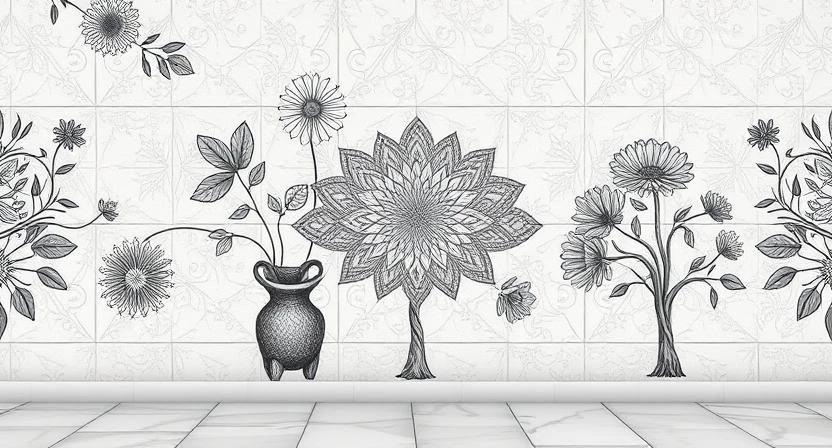
The demand for unique and personalized décor is growing rapidly in both residential and commercial spaces. Decorative ceramics, including tiles, tableware, and panels, play a crucial role in defining style, ambiance, and functionality. Traditional ceramic decoration methods often limit creativity due to manual labor, repetitive processes, and difficulty in achieving detailed designs, prompting designers and businesses to look for innovative solutions.
Ceramic printing has emerged as a modern and efficient method to apply custom designs directly onto ceramic surfaces. With this technology, intricate patterns, logos, or artistic images can be applied with high precision, ensuring long-lasting color and durability. Ceramic printing is suitable for a wide range of applications, from customized tiles and tableware to wall panels and artistic installations. By combining technology and design, ceramic printing allows homeowners, businesses, and artists to transform ordinary ceramics into visually stunning and functional decorative elements.
What is Ceramic Printing?
Ceramic printing is the process of applying designs onto ceramic surfaces using advanced methods such as digital inkjet printing, screen printing, or decal transfer. The printed designs are permanently fused to the ceramic during firing, resulting in durable, scratch-resistant, and vibrant ceramics.
Digital Inkjet Printing
Digital inkjet printing applies high-resolution images and designs directly to ceramic surfaces. It allows for intricate details, gradients, and photographic-quality images. After printing, the ceramics are fired to permanently embed the design.
Screen Printing
Screen printing uses stencils to transfer ceramic pigments onto the surface. Each color is applied separately, and the final product is fired to ensure durability. This method is ideal for bold patterns, repeated designs, and larger production runs.
Decal Transfer Printing
Decal transfers involve applying pre-printed images onto ceramic surfaces, which are then fired to permanently fuse the design. This technique works well for detailed artwork, decorative objects, and customized promotional items.
Applications of Ceramic Printing
Residential Spaces
Ceramic printing can enhance home interiors by personalizing tiles, kitchen backsplashes, bathroom panels, and tableware. Customized designs add elegance, character, and uniqueness to living spaces.
Commercial and Hospitality Spaces
Businesses, hotels, restaurants, and offices can use ceramic printing for branding, decorative interior elements, and customized tableware. Unique designs create visually appealing environments and strengthen brand identity.
Artistic and Creative Projects
Artists can leverage ceramic printing for murals, gallery exhibits, sculptures, and public installations. This technology allows precise replication of complex designs while maintaining vibrant colors and long-lasting durability.
Advantages of Ceramic Printing
Customization
Ceramic printing offers full personalization, allowing patterns, images, and logos to be applied to ceramic surfaces according to specific needs and creative visions.
Durability
Printed designs are fused into the ceramic surface, making them resistant to scratches, moisture, and fading. This ensures long-lasting visual appeal and functionality.
Versatility
Ceramic printing can be applied to a variety of surfaces, including tiles, plates, decorative panels, and large-scale artistic installations, providing flexibility for multiple applications.
Cost-Effectiveness
Compared to hand-painted or individually crafted ceramics, ceramic printing reduces labor, time, and material costs while maintaining high-quality results.
Tips for Effective Ceramic Printing
Planning the Design
Proper design planning, including layout, color selection, and pattern placement, ensures cohesive and visually appealing results.
Using Quality Materials
High-quality ceramics and compatible inks guarantee vibrant designs, durability, and optimal performance.
Accurate Installation
For large-format tiles or panels, precise placement is essential to achieve a seamless, professional finish.
Future Trends in Ceramic Printing
Advances in ceramic printing technology continue to expand creative possibilities. Innovations like eco-friendly inks, textured surfaces, 3D printing integration, and larger format options enable more intricate, personalized, and sustainable designs, providing greater flexibility for designers and artists.
Conclusion
Ceramic printing is a modern, versatile, and innovative method that transforms ordinary ceramic surfaces into customized, visually appealing, and durable decorative pieces. From home décor and commercial applications to artistic projects, ceramic printing allows detailed designs, vibrant colors, and creative patterns to be permanently embedded onto ceramics. With proper planning, quality materials, and skilled execution, ceramic printing enhances aesthetics, functionality, and personalization, offering endless possibilities for unique and long-lasting ceramic creations.