
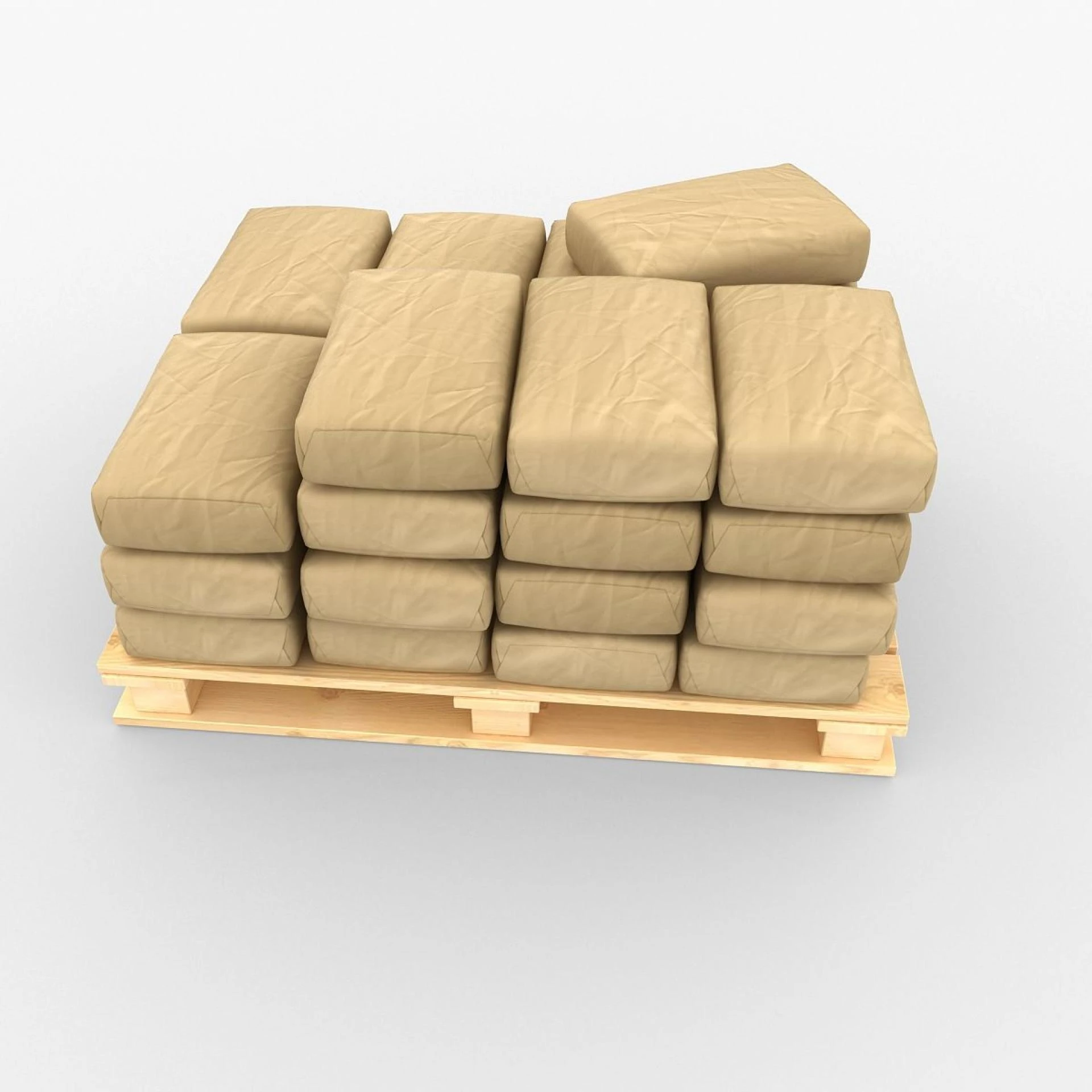
The cement packaging market potential is growing with innovation, sustainability, and infrastructure expansion, creating new opportunities for manufacturers to deliver efficient and eco-friendly packaging solutions globally.
Introduction
The cement packaging market has grown into a vital industry, serving as both a protector of product quality and a driver of operational efficiency. As construction industries evolve globally, the cement packaging market potential is expanding, supported by technological advances, sustainability demands, and large-scale infrastructure projects.
This transformation positions packaging as a strategic factor in the cement industry’s long-term success.
Cement Packaging as a Competitive Advantage
In today’s construction-driven economy, the cement packaging market offers companies a competitive edge. Cement is highly susceptible to moisture damage, contamination, and spillage. Effective packaging ensures product integrity, enhances shelf life, and improves handling. Beyond utility, packaging is now used for brand communication, enabling cement producers to distinguish themselves in highly competitive environments. This dual role increases the cement packaging market potential across both developed and emerging economies.
Infrastructure Boom Fueling Market Potential
The cement packaging market potential is strongly linked to global infrastructure investment. Countries across Asia-Pacific, Africa, and Latin America are investing heavily in housing, highways, and industrial zones. The scale of these projects requires continuous cement supply in durable, easy-to-transport packaging. From small residential projects to mega infrastructure developments, the demand for high-quality cement packaging solutions continues to surge, highlighting a market with long-term expansion prospects.
Innovation and Material Advancements
The cement packaging market is rapidly evolving with innovative solutions in material design. Multi-layer kraft paper, laminated polypropylene bags, and hybrid packaging formats are replacing traditional single-ply designs. These modern materials improve durability, reduce wastage, and offer resistance to moisture and tearing. Furthermore, innovations such as anti-slip coatings, valve bags, and lightweight yet strong sacks highlight the potential of the cement packaging market to meet modern construction challenges.
The Sustainability Imperative
Sustainability is shaping the future of the cement packaging market. Governments and regulatory agencies are introducing strict guidelines to reduce environmental impacts. As a result, companies are shifting toward recyclable, compostable, and biodegradable packaging. The adoption of eco-friendly kraft paper bags and reduced-plastic designs enhances environmental responsibility while improving brand perception. The cement packaging market potential is increasingly tied to the ability of companies to deliver sustainable solutions.
Untapped Opportunities in Emerging Economies
Emerging economies present significant opportunities for the cement packaging market. Nations like India, Nigeria, and Vietnam are experiencing rapid urbanization, driving demand for housing, transportation infrastructure, and commercial spaces. With rising cement consumption, the demand for reliable packaging solutions is surging. Localized, cost-efficient, and durable packaging tailored to specific regional needs is becoming essential, further expanding the cement packaging market potential in developing regions.
Overcoming Key Challenges
Despite the strong outlook, the cement packaging market faces challenges. Raw material cost fluctuations, particularly in kraft paper and polypropylene, impact profitability. Environmental regulations demand investment in research and innovation, while logistics complexities add operational risks. However, these challenges also create opportunities for differentiation. Companies that innovate, streamline supply chains, and embrace sustainable solutions are more likely to capitalize on the cement packaging market potential.
Role of Technology and Digitalization
Digital technology is enhancing the cement packaging market potential by improving efficiency and quality. Automated bagging systems reduce errors, AI-driven quality monitoring ensures consistency, and digital printing allows for advanced brand customization. IoT-enabled logistics also strengthens supply chain resilience, ensuring cement reaches its destination on time. These technologies are redefining how cement packaging is produced, distributed, and perceived, making the market more adaptive and competitive.
Competitive Dynamics and Growth Prospects
The cement packaging market remains highly competitive, with global players and regional manufacturers continuously innovating. Companies are expanding their product lines with eco-friendly solutions, forging partnerships, and entering new geographies. With the combination of sustainability, technology, and infrastructure growth, the cement packaging market potential is set to expand steadily in the coming years. Firms that invest in research, branding, and efficiency will dominate the evolving landscape.
Conclusion
The cement packaging market potential is immense, fueled by global construction demand, sustainable practices, and technological adoption. From safeguarding cement quality to strengthening brand value, packaging is a strategic driver of growth. As emerging economies accelerate infrastructure development and eco-friendly solutions gain momentum, the cement packaging market is poised to remain an essential pillar of the construction supply chain.