
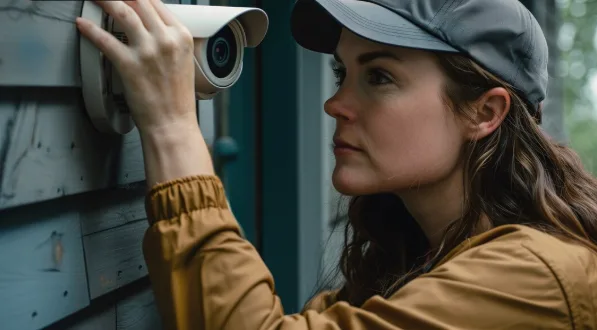
Installing cameras alone does not guarantee security. The effectiveness of any surveillance system depends heavily on where and how cameras are positioned. Poor angles, incorrect heights, and overlooked blind spots can render even advanced systems ineffective. Strategic security camera placement ensures that cameras capture usable footage, deter potential intruders, and support long-term safety goals.
This guide explains proven CCTV camera placement tips used by security professionals to protect residential and commercial properties. From exterior coverage to interior monitoring and environmental considerations, proper placement transforms cameras into a reliable security asset rather than a false sense of protection.
Why Proper CCTV Placement Is Critical for Security
Camera placement directly impacts what is captured, how clearly it is recorded, and whether the footage is useful in real situations. A well-placed camera can identify faces, record behavior patterns, and provide evidence, while a poorly placed one may only capture partial movement or unusable angles.
Placement vs Equipment Quality
Many property owners focus on camera resolution and features, but security camera placement often matters more than equipment quality. A standard camera positioned correctly can outperform a high-end camera installed at the wrong angle. Applying professional CCTV camera placement tips ensures coverage aligns with how people actually move through a space, not just how the property looks on paper.
Assessing Property Layout Before Installation
Before mounting any camera, it is essential to evaluate the property’s layout, traffic flow, and access points. Security risks are rarely evenly distributed across a property.
Identifying High-Risk Areas
Entrances, exits, and transitional spaces deserve priority. These include front doors, rear access points, garages, driveways, and ground-level windows. Effective security camera placement focuses on how intruders are most likely to approach or exit a property, allowing cameras to capture meaningful activity rather than empty footage.
Exterior CCTV Camera Placement Strategies
Exterior cameras serve as both a deterrent and an early warning system. Their placement should balance visibility, coverage, and protection from tampering or environmental damage.
Entry Points and Front-Facing Areas
Front doors and main entrances are among the most critical zones. Cameras should be mounted high enough to avoid tampering but low enough to clearly capture faces. Angling the cameras slightly downward improves identification while reducing glare from sunlight or reflections.
Proper CCTV camera placement tips also account for lighting conditions at different times of day, ensuring footage remains clear during both daylight and nighttime hours.
Driveways, Garages, and Vehicle Access Areas
Driveways reveal patterns of movement, vehicle access, and potential suspicious behavior. Cameras covering these areas should capture both vehicle approach and pedestrian activity without pointing directly into headlights, which can distort footage.
Effective security camera placement in these areas improves visibility of license plates, delivery activity, and unauthorized access attempts.
Backyards and Side Yards
Rear and side areas are often targeted due to limited visibility from the street. Cameras positioned here should cover fence lines, gates, and rear doors. Landscaping, walls, and sheds must be considered to avoid blind spots.
Strategic placement ensures these vulnerable zones are monitored without excessive overlap or wasted coverage.
Interior Camera Placement for Complete Coverage
Interior cameras add a second layer of security by monitoring movement inside the property. They are especially valuable for confirming breaches and tracking movement patterns.
High-Traffic Interior Areas
Hallways, staircases, and entry points from garages are ideal locations. Cameras should be positioned to observe movement naturally rather than focusing on static areas. Proper security camera placement indoors supports clear tracking without invading private spaces.
Interior cameras should never be installed in bathrooms or private living areas to maintain ethical and legal standards.
Common CCTV Placement Mistakes to Avoid
Even well-intentioned installations fail due to avoidable errors. The most common mistakes include:
- Mounting cameras too high, resulting in poor facial detail
- Aiming cameras directly into sunlight or reflective surfaces
- Overlapping coverage excessively while leaving blind spots elsewhere
- Ignoring environmental factors like rain, heat, or wind exposure
- Failing to test footage quality after installation
Avoiding these errors ensures CCTV camera placement tips translate into real-world effectiveness.
Residential vs Commercial CCTV Placement Considerations
Placement strategies differ based on how a property is used. Residential systems focus on perimeter protection and personal safety, while commercial systems emphasize asset protection and operational oversight.
Residential Security Placement Needs
Homes benefit from discreet camera positioning that monitors entrances, driveways, and yards without appearing intrusive. Systems often integrate with residential security systems, combining cameras with alarms and motion sensors for layered protection.
Commercial Property Placement Requirements
Commercial properties require broader coverage, including employee access points, storage areas, and customer-facing spaces. Security camera placement in these environments prioritizes clarity, accountability, and operational continuity.
Managing Lighting and Environmental Conditions
Lighting significantly affects footage quality. Cameras placed without considering lighting conditions may produce glare, shadows, or washed-out images.
Optimizing Camera Performance in Different Conditions
Professional CCTV camera placement tips include accounting for sun paths, artificial lighting, and nighttime visibility. Infrared cameras still require proper positioning to avoid reflections and ensure consistent clarity.
Environmental protection, such as mounting under eaves or using weather-rated housings, extends camera lifespan and reliability.
Planning Field of View and Camera Coverage
Each camera should serve a clear purpose. Poor planning leads to wasted coverage and missed activity.
Coverage Planning Best Practices
Effective coverage planning includes:
- Mapping camera angles before installation
- Ensuring key areas are visible from more than one angle
- Avoiding unnecessary sky or wall coverage
- Testing live views to confirm usable footage
These CCTV camera placement tips reduce blind spots while maintaining efficient coverage.
Wired vs Wireless Camera Placement Factors
Camera technology influences placement flexibility. Wired systems offer stability but limit mounting options, while wireless systems provide flexibility but rely on signal strength and power access.
Choosing the best cctv camera system requires balancing coverage needs, building structure, and long-term reliability. Placement planning must account for these technical limitations to avoid performance issues later.
Legal and Privacy Considerations in Camera Placement
Responsible security camera placement also requires compliance with privacy standards:
- Avoid recording neighboring properties
- Exclude private interior areas
- Follow local surveillance regulations
- Use clear signage where required
Legal compliance protects property owners while maintaining effective surveillance.
Table: Recommended CCTV Camera Placement by Area
AreaIdeal HeightPrimary PurposeFront Door8–9 feetFacial identificationDriveway9–10 feetVehicle and approach monitoringBackyard8–10 feetPerimeter protectionHallways7–8 feetMovement trackingStaircases7–8 feetAccess monitoringIntegrating CCTV With Broader Security Systems
Cameras perform best when part of a unified system. Integration with alarms, access control, and monitoring platforms enhances response times and situational awareness.
Well-planned security camera placement ensures cameras support the broader security infrastructure rather than operating in isolation.
Conclusion
Effective surveillance depends on strategy, not just technology. Thoughtful security camera placement ensures cameras capture meaningful footage, deter threats, and support long-term safety objectives. Applying professional CCTV camera placement tips minimizes blind spots, improves image quality, and enhances overall system reliability. When placement is done correctly, CCTV systems become a proactive security solution rather than a passive recording tool. D & G Alarm System recognizes that proper placement is the foundation of dependable, effective surveillance.
FAQs
1. What is the most important factor in CCTV camera placement?
Covering entry points and capturing clear facial details are the most critical aspects of effective security camera placement.
2. How high should CCTV cameras be mounted?
Most CCTV camera placement tips recommend 8–10 feet outdoors and 6–8 feet indoors.
3. Should camera coverage overlap?
Yes. Strategic overlap improves reliability and reduces blind spots in security camera placement.
4. Does lighting affect camera effectiveness?
Lighting has a major impact. Proper planning is essential for applying CCTV camera placement tips successfully.
5. Is camera placement different for homes and businesses?
Yes. Residential and commercial security camera placement strategies differ based on usage, access, and risk profiles.


