Quick Answer: Analog-digital watches pair conventional hands with a digital display, combining glanceable time reading with digital precision and additional functions. Casio's G-Shock range is where the format is most developed, with the GA-100 at 200m and the slimmer octagonal GA-2100 addressing the thickness that traditionally limited the format's wearability.
Analog-digital watches pair traditional hands with a digital display, combining glanceable time reading with digital precision and functions. Casio is where this format is most developed, particularly within G-Shock.
What Analog-Digital Means
An analog-digital watch shows time through conventional hands while also carrying a digital panel displaying additional information. The format plays to each approach's strength rather than compromising between them, which is why it persisted long after digital displays became capable of showing everything alone.
Why the Combination Works
Hands are faster to read at a glance for approximate time, since the brain interprets position spatially without processing numbers. Digital displays are better for precise readings and for additional information like a second time zone, countdown timer, or alarm status. Combining both covers more situations.
The G-Shock Direction
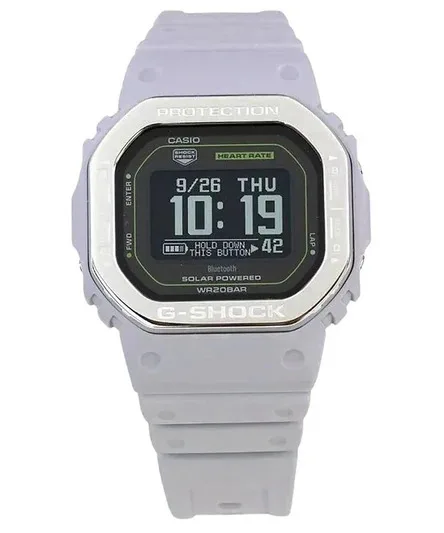
Analog-digital is most developed within G-Shock. The Casio G-Shock GA-100-1A1 delivers the format with 200m water resistance and shock-resistant construction.
The Slimmer Platform
The Casio G-Shock GA-2100-1A1 brought a slimmer octagonal case to the format, addressing the common criticism that analog-digital G-Shock models wear too thick.
Why the Slimmer Case Mattered
Analog-digital construction traditionally produced thick cases, since the movement must drive both hands and a display. A slimmer profile made the format wearable under a cuff, which broadened its appeal considerably beyond buyers who only wore it casually.
The Legibility Trade-Off
Combining hands and a digital panel means the display occupies dial area and can partially obscure hand positions depending on layout. Well-designed examples manage this, but buyers should assess how easily a specific watch reads rather than assuming the format automatically improves legibility over either approach alone.
Toughness Is Constant
Across G-Shock analog-digital platforms, the shock-resistant construction is the same principle: the movement suspended within the case so impact energy is absorbed by the structure. Choosing analog-digital over pure digital costs nothing in durability, so the decision is purely about display preference.
Water Resistance
Many G-Shock references carry 200m, genuinely covering swimming and water activity. Ratings reflect static pressure testing rather than literal safe depths. Buyers should verify the specific rating rather than assuming, since it varies across the platforms the format appears on.
Power Draw Considerations
Digital displays draw power continuously, and driving hands adds further consumption. This affects battery life compared with a pure digital or pure analog watch. Solar references address this by charging from light, which is worth considering for a format that works the movement harder.
Module Functions
Analog-digital references carry the same module variety as pure digital, spanning world time, alarms, countdown timers, and stopwatches in different combinations. Buyers should confirm which functions a specific reference includes rather than assuming, since this varies considerably between similar-looking watches.
Case Thickness
The format adds thickness since the movement drives both hands and display. Buyers should check thickness specifically alongside diameter and lug-to-lug, since this is where analog-digital watches most commonly disappoint buyers expecting something that sits flat under a sleeve.
Where to Start Your Search
Fix three constraints before browsing: whether you genuinely want both displays or one would suffice, the water resistance your use requires, and the case thickness your wrist and sleeves tolerate. Those three narrow the format quickly.
Measuring Your Wrist Properly
Measure the flat width across the top of your wrist rather than the circumference, since that span is what lug-to-lug must sit within. For analog-digital specifically, thickness deserves equal attention to width.
Common Mistakes to Avoid
The most frequent error is assuming the format automatically improves legibility when layout determines it. The second is underestimating case thickness. The third is not confirming module functions. The fourth is overlooking that driving both displays increases power draw.
Judging Value Honestly
The most reliable way to assess any watch is separating three things: build quality, movement specification, and brand value. All three are legitimate reasons to pay, but conflating them produces confused comparisons. A watch that scores well on one and poorly on another is not worse than one scoring moderately on all three, provided the attribute it leads on is the one you actually care about for how you will wear it.
Buying From Reputable Sellers
Whether buying new or secondhand, a reputable seller ensures authentic product with proper warranty coverage and a workable returns position. This matters more than the channel itself. Clear returns terms effectively replace the reassurance that handling a watch in person would provide, which is what makes confident online buying possible across every price point rather than only at the accessible end.
Total Ownership Cost
Purchase price is only part of the picture. Mechanical watches need periodic professional servicing, conventional quartz needs battery replacement, and solar and light-powered references need eventual cell replacement across many years. Factoring these in gives a far truer comparison between references than purchase price alone, particularly when weighing a mechanical watch against a maintenance-free alternative across a decade of ownership.
The Bottom Line
Analog-digital pairs glanceable hands with digital precision and functions, and Casio's G-Shock range is where the format is most developed. Check thickness carefully since this is where the format disappoints most often, verify module functions, and consider solar given the higher power draw. Browse the Casio G-Shock range.
Frequently Asked Questions
What does analog-digital mean?
A watch showing time through conventional hands while also carrying a digital panel displaying additional information, playing to each approach's strength.
Why combine both?
Hands are faster to read at a glance since the brain interprets position spatially, while digital suits precise readings and additional information like timers.
Where is the format most developed?
Within Casio's G-Shock range, with platforms including the GA-100 at 200m and the slimmer octagonal GA-2100.
Why did the slimmer case matter?
Analog-digital construction traditionally produced thick cases, and a slimmer profile made the format wearable under a cuff, broadening its appeal considerably.
Does the format improve legibility?
Not automatically. The digital panel occupies dial area and can partially obscure hand positions depending on layout, so assess the specific design.
Does analog-digital reduce toughness?
No. The shock-resistant construction is the same principle across platforms, so the choice is purely about display preference rather than durability.
Does it affect battery life?
Yes. Digital displays draw power continuously and driving hands adds further consumption, which is why solar references suit this format well.
Verdict
Analog-digital gives you glanceable hands plus digital functions, and Casio's G-Shock platforms are where the format works best. Check thickness carefully since driving both displays adds bulk and this is where the format disappoints most often, verify module functions, and consider solar. Browse the Casio G-Shock range.