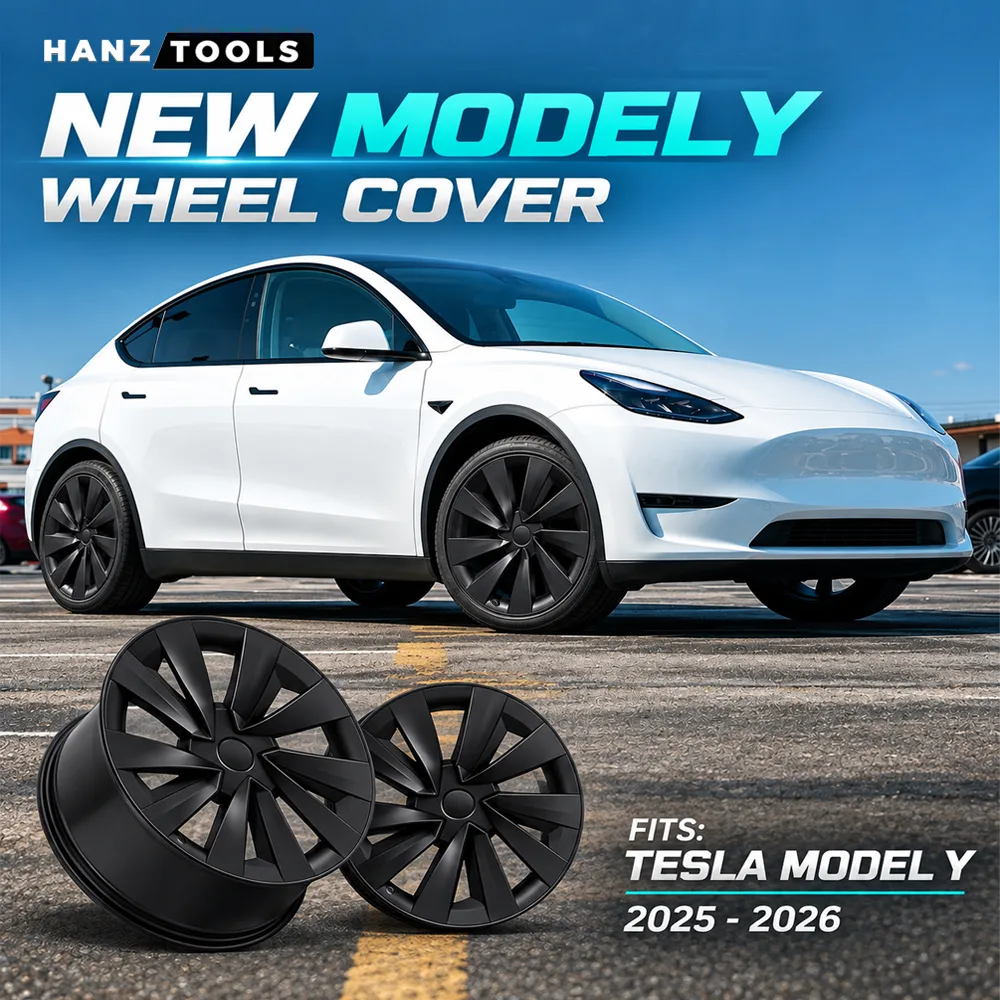
A vehicle is made up of many details that contribute to its overall appearance, performance, and everyday usability. While drivers often focus on paintwork, lighting, tyres, and interior accessories, wheels are another important part of the vehicle's design. They are highly visible, regularly exposed to road conditions, and can influence how well-maintained a vehicle looks. For drivers who want to improve this aspect of their vehicle without investing in an entirely new set of wheels, car wheel covers offer a practical option worth exploring.
Car wheel covers are designed to fit compatible wheels and provide a different exterior appearance. Depending on the product, they may feature simple styling, modern patterns, or more distinctive designs. This variety allows vehicle owners to personalize their cars while keeping their existing wheel setup.
Beyond appearance, wheel covers can also make routine cleaning more convenient and provide an accessible alternative to certain cosmetic wheel upgrades. However, choosing the right product requires more than selecting a design that looks attractive. Drivers should understand wheel sizing, compatibility, installation requirements, maintenance, and the differences between decorative covers and other wheel accessories.
This comprehensive guide explains what car wheel covers are, why drivers use them, how to choose a suitable design, and what to consider before purchasing.
1. What Are Car Wheel Covers?
Car wheel covers are accessories designed to cover part or most of the visible outer surface of a compatible wheel. They are commonly selected to improve the appearance of a vehicle, update an older-looking wheel design, or create a more coordinated exterior.
Depending on their construction and intended application, wheel covers may use different materials, attachment methods, finishes, and patterns. Some are designed for a straightforward, understated appearance, while others use more detailed styling to create a sportier or more contemporary look.
Wheel covers should not be confused with every other type of wheel accessory. Traditional decorative wheel covers are generally intended to improve the appearance of compatible wheels. Centre caps cover only the central hub area, while alloy wheels are complete wheel components that support the tyre.
The distinction matters because these products have different purposes, dimensions, and installation requirements. A driver looking for an affordable cosmetic update may have different needs from someone replacing damaged wheels or changing wheel specifications.
Before purchasing car wheel covers, it is important to understand the product's intended use and confirm that it is suitable for the vehicle.
2. Why Do Drivers Choose Car Wheel Covers?
There are several reasons why wheel covers remain a popular vehicle accessory. For some drivers, the primary consideration is appearance. Others are interested in affordability, convenience, or making everyday vehicle care easier.
Refreshing an Older Vehicle
Over time, even a well-maintained vehicle can begin to look dated. Exterior styling trends change, and original wheel designs may no longer match the appearance an owner wants.
Replacing the entire set of wheels can be an expensive solution when the existing wheels are still suitable for use. Compatible car wheel covers can provide another option by changing the visible wheel design without requiring a complete wheel replacement.
This can be particularly useful for older commuter vehicles, family cars, and work vehicles where owners want a tidy appearance without spending heavily on cosmetic modifications.
Creating a More Personal Appearance
Vehicle owners have different preferences when it comes to exterior styling. Some prefer clean and simple designs, while others like more prominent patterns and contrasting finishes.
Car wheel covers provide an opportunity to choose a look that complements the body colour, vehicle shape, and other accessories. A suitable design can make the exterior feel more coordinated without requiring extensive modifications.
The best choice is not necessarily the most elaborate one. A design that suits the vehicle's proportions and intended use can often create a more balanced result.
Keeping Upgrade Costs Manageable
A full wheel replacement may involve the cost of the wheels themselves and, depending on the circumstances, additional fitting or related expenses. If the goal is primarily cosmetic, replacing the entire wheel assembly may not be necessary.
Car wheel covers can be a more accessible option when a compatible product meets the driver's needs. The final cost will depend on the design, material, fitment, and quality of the selected product.
Drivers should compare products based on suitability and durability rather than price alone. An inexpensive product that does not fit properly is unlikely to provide good long-term value.
3. The Main Benefits of Car Wheel Covers
Although the specific benefits vary by design, material, and vehicle compatibility, several considerations make wheel covers appealing to everyday drivers.
Improved Exterior Appearance
The wheels occupy a prominent position on a vehicle, so changing their visible design can influence the overall look. A suitable set of car wheel covers can help create a cleaner, more modern, or more personalized appearance.
This can be a relatively simple way to update a vehicle before a sale, refresh an older car, or coordinate the wheels with other exterior accessories.
An Accessible Styling Solution
Not every driver wants to invest in aftermarket wheels. Some simply want a visual improvement while retaining the existing wheel configuration.
For these drivers, compatible wheel covers can offer a practical middle ground between leaving the wheels unchanged and replacing them entirely.
Convenient Routine Cleaning
Wheels encounter road dust, dirt, mud, and other contaminants during everyday driving. Their appearance can change quickly, especially when a vehicle is used frequently or driven on dusty roads.
Wheel covers can be incorporated into the normal vehicle cleaning routine. Depending on their design, they may make certain visible surfaces easier to wipe down. However, dirt can also collect behind or around a cover, so occasional removal and inspection may be appropriate when permitted by the manufacturer's instructions.
A Range of Design Choices
Different vehicles benefit from different styling approaches. A small passenger car may look best with a simple, clean pattern, while a larger vehicle may suit a more substantial design.
A range of designs also allows drivers to consider how the covers will look with their existing tyres, body colour, and overall exterior theme.
A Straightforward Upgrade for DIY Enthusiasts
Some compatible wheel covers are designed for relatively simple installation. This can appeal to drivers who enjoy completing basic vehicle upgrades themselves.
However, straightforward installation should never be taken to mean that fitment can be ignored. Correct sizing, suitable attachment, and adherence to the manufacturer's instructions remain essential.
4. Understanding Different Wheel Cover Styles
The appearance of car wheel covers can vary considerably. Understanding the available design approaches can help narrow down the options before making a purchase.
Classic and Minimalist Designs
Classic wheel covers generally emphasize a clean, uncomplicated appearance. Their patterns may use balanced lines and familiar shapes that work well with a wide range of everyday vehicles.
This style is often suitable for drivers who want a tidy exterior without drawing too much attention to the wheels.
Modern Geometric Designs
Geometric patterns use angular lines, repeated shapes, or contrasting surfaces to create a more contemporary appearance.
These designs can complement vehicles with sharper body lines and modern exterior styling. When selecting this type of cover, consider whether the pattern works with the overall vehicle design rather than evaluating the accessory in isolation.
Sport-Inspired Designs
Some wheel covers use visual elements associated with sporty vehicles, such as multi-spoke patterns and darker finishes.
These covers can help create a more dynamic appearance while retaining the original compatible wheels. It is important to remember that decorative styling does not automatically improve vehicle performance, braking, handling, or aerodynamics.
Neutral and Coordinated Finishes
Colour and finish can influence how wheel covers look against the vehicle's bodywork. Neutral finishes may suit a wide range of colours, while high-contrast designs can create a more distinctive appearance.
When choosing a finish, consider how it will look in different lighting conditions and how easily visible dirt may be removed. A visually attractive design should also be practical for the vehicle's everyday use.
5. How to Choose the Correct Car Wheel Covers
Selecting the correct product is one of the most important steps in the buying process. A cover that looks suitable in a product photograph may not fit the vehicle's wheels.
Check the Wheel Size
Begin by checking the wheel specifications. The required size should be confirmed using the vehicle's documentation, wheel markings, or reliable measurements where appropriate.
Do not assume that all wheels fitted to vehicles of a similar size use interchangeable covers. The diameter is only one consideration, and the actual wheel design can affect compatibility.
Confirm the Wheel Type
Different wheels have different structures and intended accessory requirements. A cover designed for one wheel type may not be suitable for another.
Check the product description carefully to establish whether the covers are intended for the specific wheels fitted to your vehicle. If the compatibility information is unclear, contact the seller before ordering.
Review the Attachment Method
Wheel covers may use clips, retaining rings, or other attachment systems depending on their design.
The attachment method should be appropriate for the intended wheel. A cover should not require forceful fitting that could damage the product or wheel, and it should not interfere with tyre valves, wheel hardware, or other components.
Always follow the product's installation instructions.
Consider Material and Construction
Material affects a product's weight, flexibility, finish, and resistance to everyday wear. Different materials may behave differently when exposed to sunlight, temperature changes, road debris, and repeated cleaning.
Look for clear product information about construction and intended use. Avoid assuming that every product offers the same durability or protective performance simply because the items look similar.
Match the Design to Your Vehicle
Once fitment has been confirmed, compare the available styles. Consider the vehicle's body colour, existing trim, tyre appearance, and whether the accessory will suit everyday commuting, work use, or recreational driving.
The aim is to select a design that meets practical requirements while improving the vehicle's appearance.
6. Are Car Wheel Covers Suitable for Every Vehicle?
Car wheel covers are not universally interchangeable. Their suitability depends on the vehicle's wheel specifications, wheel design, and the particular product.
Passenger Cars
Many passenger car owners consider wheel covers when they want an affordable styling update. For daily commuters, appearance, convenience, and ease of cleaning may be the main priorities.
Before purchasing, confirm that the selected product matches the wheels currently fitted to the vehicle.
SUVs
SUV owners may prefer covers that complement the vehicle's proportions and exterior styling. Since SUVs vary significantly in wheel size and design, vehicle category alone is not enough to determine compatibility.
Check the exact specifications rather than relying solely on the make or model name.
Utes and Work Vehicles
Utes are frequently used for commuting, transporting equipment, and travelling between work sites. Owners may want accessories that are easy to maintain and appropriate for regular use.
However, not every wheel cover is designed for demanding work conditions. Drivers should check the product's intended application and make sure the cover is suitable for their wheel type and operating environment.
Four-Wheel-Drive Vehicles
Four-wheel-drive vehicles may encounter gravel, mud, corrugated roads, and other challenging conditions. In these situations, secure attachment and appropriate product selection are particularly important.
A decorative wheel cover should not be assumed to provide heavy-duty protection or to be suitable for off-road use unless the manufacturer specifically confirms that application.
For vehicles used on rough terrain, consider the manufacturer's guidance and inspect accessories regularly.
7. Installation: What Drivers Should Know
Correct installation is essential for safety, fitment, and the long-term usefulness of car wheel covers.
Although some products are designed for DIY installation, the exact process depends on the product. The manufacturer's instructions should always take priority over general advice.
Step One: Verify Compatibility Before Fitting
Before opening or fitting the product, confirm that the wheel covers match the wheel specifications. Compare the product details with the information for the vehicle and inspect the cover for any obvious damage.
If the cover appears incompatible, do not attempt to force it into place.
Step Two: Clean and Inspect the Wheel
A clean wheel can make installation and inspection easier. Remove loose dirt from the relevant surfaces and check for visible damage that might affect fitment.
If the wheel has damaged edges, missing components, or other concerns, address those issues before proceeding.
Step Three: Follow the Product Instructions
Different designs use different fitting methods. Position the cover as instructed and use the specified attachment mechanism.
Avoid hitting, bending, or forcing the cover unless the manufacturer's instructions explicitly require a particular fitting technique. Excessive force may damage clips, retaining components, or the cover itself.
Step Four: Check the Final Fit
After installation, check that the cover is seated correctly and that its retaining components are engaged as intended.
Make sure the cover does not obstruct the tyre valve, interfere with wheel hardware, or contact moving components. If it feels loose, sits unevenly, or appears damaged, do not assume it will become secure through driving.
Step Five: Inspect Regularly
Routine inspection can help identify looseness, cracks, missing clips, or other problems before they become more serious.
The inspection frequency should reflect the manufacturer's recommendations and the conditions in which the vehicle is used.
8. How to Maintain Car Wheel Covers
Maintenance helps preserve the appearance of wheel covers and provides an opportunity to identify damage.
Clean Them Regularly
Dust and road grime can build up over time. Washing the covers during normal vehicle cleaning can help keep them looking presentable.
Use cleaning products suitable for the cover's material and finish. When unsure, begin with a mild automotive cleaning solution and follow the manufacturer's guidance.
Avoid Harsh Cleaning Methods
Aggressive chemicals, abrasive pads, and unsuitable cleaning tools may damage certain finishes or materials.
Do not assume that a product suitable for one wheel finish is safe for every wheel cover. Check the manufacturer's care recommendations before using specialist cleaners.
Inspect for Damage
Look for cracks, chips, loose retaining components, distortion, or other signs of wear. Damage can affect both appearance and secure fitment.
If a cover is damaged or no longer fits securely, remove it or replace it according to the manufacturer's recommendations rather than continuing to use it.
Check the Area Behind the Cover
Depending on the product design, dirt and moisture may collect around the wheel behind the cover. Where the manufacturer's instructions permit removal, occasional inspection and cleaning can help keep the area in good condition.
Ensure that the cover is correctly reinstalled after inspection.
Consider Environmental Conditions
Vehicles parked outdoors may experience prolonged exposure to sunlight, heat, rain, and changing temperatures. These conditions can affect some materials over time.
Selecting a suitable product and following its maintenance recommendations can help manage normal wear.
9. Common Mistakes to Avoid When Buying Wheel Covers
A little research before purchasing can help avoid unnecessary costs and fitting problems.
Choosing by Appearance Alone
A design may look attractive but still be unsuitable for the vehicle. Always confirm compatibility before placing an order.
Assuming All Covers Fit the Same Way
Wheel covers differ in dimensions, attachment methods, and intended applications. Do not assume that a cover that fits one vehicle will automatically fit another.
Ignoring Product Specifications
Check the listed size, material, compatibility information, package quantity, and installation requirements. These details are more useful than relying on product photographs alone.
Expecting Decorative Covers to Replace Wheel Protection
Wheel covers may offer some shielding of covered surfaces, but their primary purpose and performance depend on the product design. They should not be treated as a replacement for specialist protective equipment or proper wheel maintenance.
Overlooking Maintenance
Even easy-to-clean accessories need occasional attention. Dirt, damage, and loose attachment components should not be ignored.
Fitting a Damaged or Loose Cover
A cover that is cracked, distorted, or insecurely attached may not remain properly positioned. Check the product before installation and inspect it periodically.
10. Car Wheel Covers Compared With Replacing Wheels
One common question is whether to choose wheel covers or replace the wheels entirely. The answer depends on the driver's goals and the condition of the existing wheels.
If the existing wheels are suitable and the primary objective is cosmetic, compatible car wheel covers may provide a more economical route to a refreshed appearance.
Wheel replacement may be more appropriate when the existing wheels are damaged, unsuitable for the vehicle's requirements, or when the driver specifically wants a different wheel specification or construction.
These options should not be treated as equivalent. Wheel covers change the visible appearance of compatible wheels, while replacing wheels involves changing the wheel components themselves.
Before making a decision, consider the condition of the existing wheels, the intended use of the vehicle, compatibility requirements, budget, and the expected outcome.
11. What Should You Look for When Shopping Online?
Online shopping provides an opportunity to compare multiple car wheel covers without visiting several physical stores. However, product descriptions should be reviewed carefully.
Clear Specifications
A reliable product listing should provide relevant dimensions and compatibility information. Look for details that help determine whether the item is suitable for your particular wheel setup.
Accurate Product Images
Images can help you evaluate the style, shape, and finish of a product. However, photographs may not show every dimension or compatibility limitation, so they should be considered alongside the written specifications.
Material and Care Information
Understanding the material can help you assess whether the product is appropriate for your driving conditions and maintenance preferences.
Package Contents
Check how many covers are included in the package. Some listings may offer individual covers, pairs, or complete sets. Confirm the quantity rather than assuming that a product photograph represents the exact package contents.
Return and Support Policies
Before purchasing, review the seller's policies and available support options. Clear information can be helpful if you need to confirm compatibility or resolve a product issue.
Value Rather Than Price Alone
The lowest-priced option is not automatically the best purchase. Compare fitment, construction, appearance, package quantity, and relevant product information to make a more informed decision.
12. How Wheel Covers Fit Into a Broader Vehicle Care Routine
Wheel covers are only one part of maintaining a vehicle's appearance. Their value is greatest when they are considered alongside regular cleaning and basic inspections.
Keeping tyres at the vehicle manufacturer's recommended pressures, checking tyres for visible damage, and ensuring that wheel hardware is maintained correctly are all important aspects of vehicle care. Wheel covers do not replace these tasks.
Drivers should also be aware of unusual vibrations, noises, or changes in vehicle handling. Such symptoms should not be dismissed as cosmetic issues. If a wheel cover appears loose or a wheel-related problem is suspected, stop when safe and inspect the vehicle or seek qualified assistance.
A thoughtful approach to vehicle maintenance combines appearance, fitment, and practical safety considerations rather than focusing on styling alone.
13. Are Car Wheel Covers Worth It?
Whether car wheel covers are worthwhile depends on what you want to achieve.
For drivers who want to refresh the appearance of compatible wheels without replacing the entire wheel setup, they can be a practical and affordable option. They also provide flexibility when choosing an exterior style and can be convenient to include in a normal cleaning routine.
They may be less suitable when the existing wheels need replacement, when the selected cover is incompatible, or when the vehicle's intended use requires a different type of wheel accessory.
The key is to select a product that matches the vehicle's specifications and expectations. A well-chosen accessory should suit the vehicle, fit correctly, and be easy to maintain.
14. Exploring Car Wheel Covers at HanzTools
Finding a suitable accessory begins with comparing the available designs and checking their specifications. Drivers should look for products that match their wheel size, intended application, preferred appearance, and maintenance needs.
HanzTools provides an online collection where shoppers can explore wheel cover options and review the available product information before deciding which design is appropriate for their vehicle.
Visit the collection here:
https://hanztools.com/collections/car-wheel-covers
When browsing, compare the listed specifications, package contents, and compatibility details. If you are uncertain whether a particular option will fit, confirm the requirements before ordering.
Taking a little time to check these details can help you choose an accessory that better matches your needs.
15. Frequently Asked Questions About Car Wheel Covers
What are car wheel covers used for?
Car wheel covers are accessories designed to change the visible appearance of compatible wheels. Depending on the product, they may also provide some coverage over exposed wheel surfaces and make routine cleaning more convenient.
Do car wheel covers fit every vehicle?
No. Compatibility depends on wheel size, design, attachment method, and the product's intended application. Always check the specifications before purchasing.
Are wheel covers an alternative to new wheels?
They can be an alternative when the existing wheels are suitable and the main goal is cosmetic. They do not replace the structural function of the wheel and are not a solution for damaged or unsuitable wheels.
Can I install wheel covers myself?
Some products are designed for straightforward DIY installation. Follow the manufacturer's instructions and verify the fit carefully. If the cover cannot be installed correctly, seek assistance rather than forcing it into place.
How often should wheel covers be cleaned?
Cleaning frequency depends on driving conditions and personal preference. Regular vehicle washing is a useful opportunity to remove dirt and inspect the covers for damage.
Do wheel covers protect wheels from all damage?
No. The degree of coverage varies by design, and decorative covers should not be considered complete protection against impacts, corrosion, or every type of road damage.
What should I check before ordering online?
Check the wheel size, product compatibility, material, attachment method, package quantity, and seller information. Confirm uncertain details before making a purchase.
Are wheel covers suitable for work vehicles and 4WDs?
Some may be suitable, but the specific product must be compatible with the vehicle and its intended use. Drivers who regularly travel on rough roads should pay particular attention to secure attachment and the manufacturer's application guidance.
Conclusion: Choose the Right Car Wheel Covers for Your Vehicle
Car wheel covers offer a straightforward way to update the appearance of compatible wheels without committing to a complete wheel replacement. With different styles and finishes available, they give drivers flexibility when personalizing everyday vehicles, family cars, SUVs, utes, and other compatible applications.
Their appeal comes from a combination of affordability, visual customization, and convenient maintenance. However, choosing the right product requires careful attention to wheel size, compatibility, material, installation, and intended use.
Before buying, review the specifications, compare available designs, and make sure the selected product is suitable for your vehicle. After installation, follow the manufacturer's instructions and inspect the covers regularly to help maintain secure fitment.
For drivers who want a practical vehicle styling update, the right car wheel covers can be a worthwhile addition to their accessory choices.
Explore the HanzTools car wheel covers collection to compare available options: