
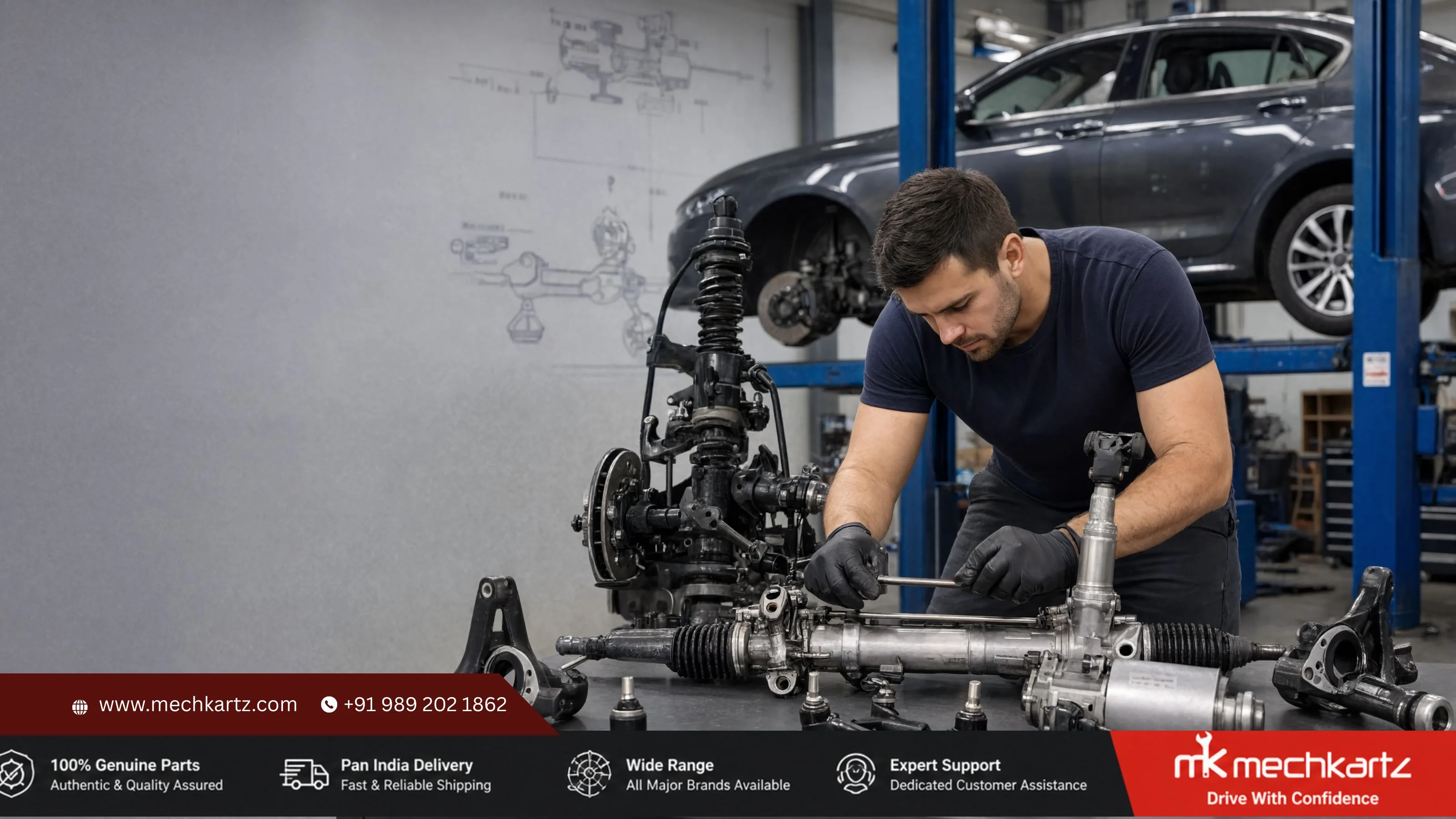
A Car Steering System is one of the most important safety systems in any vehicle. It allows you to control direction with precision, maintain stability at different speeds, and react quickly to changing road conditions. Whether you're driving through city traffic, cruising on highways, or navigating rough roads, your steering system plays a vital role in keeping every journey safe and comfortable.
Many drivers only think about steering when something feels wrong. A stiff steering wheel, unusual vibrations, or knocking sounds often indicate that one or more steering components need attention. Understanding how the system works can help you identify problems early, avoid expensive repairs, and make informed decisions when purchasing replacement parts.
If you're planning to buy Car Steering System Online components, knowing what to look for can also save you time and money while ensuring compatibility with your vehicle.
What Is a Car Steering System?
A Car Steering System is a collection of mechanical and hydraulic or electric components that convert the driver's steering wheel movement into directional movement of the front wheels.
Its primary responsibilities include:
- Changing the vehicle's direction
- Maintaining directional stability
- Providing precise steering response
- Reducing driver effort
- Improving handling and safety
Modern steering systems are designed to offer excellent control while requiring minimal effort from the driver.
How Does a Car Steering System Work?
The process appears simple from the driver's seat, but several components work together behind the scenes.
Step 1: Steering Wheel Input
When you turn the steering wheel, rotational force is transferred through the steering column.
Step 2: Steering Gear
The steering gear converts rotational movement into side-to-side motion.
Depending on the vehicle, this may be:
- Rack and pinion
- Recirculating ball steering gear
Step 3: Tie Rods
Tie rods transfer movement from the steering rack to the steering knuckles.
Step 4: Steering Knuckles
The steering knuckles pivot, allowing the front wheels to turn left or right.
Step 5: Vehicle Changes Direction
As the wheels change angle, the vehicle follows the intended path.
Main Components of a Car Steering System
Understanding individual parts makes troubleshooting much easier.
Steering Wheel
The steering wheel is the driver's control point. It allows smooth directional input while housing controls for modern vehicle functions.
Steering Column
The steering column connects the steering wheel to the steering gear while incorporating safety features that absorb impact during collisions.
Steering Rack
The steering rack converts rotary motion into linear movement and is the heart of rack-and-pinion steering.
Tie Rod Ends
Tie rod ends connect the steering rack to the wheels.
Common signs of wear include:
- Loose steering
- Uneven tyre wear
- Clunking noises
- Poor wheel alignment
Ball Joints
Ball joints allow suspension movement while maintaining steering control.
Steering Knuckles
These connect the suspension, wheel hub, brake assembly, and steering linkage into one functional unit.
Power Steering Pump (Hydraulic Systems)
Hydraulic steering systems use a pump to provide steering assistance.
Electric Power Steering Motor
Modern vehicles increasingly use electric motors instead of hydraulic pumps to improve fuel efficiency and reduce maintenance.
Car Steering System Types
Different vehicles use different steering technologies.
Manual Steering
Manual steering relies entirely on driver effort.
Advantages
- Simple construction
- Low maintenance
- Lightweight
- Affordable repairs
Disadvantages
- Requires greater steering effort
- Less comfortable during parking
Hydraulic Power Steering
Hydraulic steering uses pressurized fluid to reduce steering effort.
Benefits
- Smooth steering feel
- Reliable technology
- Excellent road feedback
Drawbacks
- Fluid leaks
- Pump maintenance
- Slight reduction in fuel efficiency
Electric Power Steering (EPS)
Electric Power Steering uses sensors and electric motors instead of hydraulic fluid.
Benefits
- Better fuel economy
- Lower maintenance
- No hydraulic fluid
- Advanced driver assistance compatibility
Potential Issues
- Electronic sensor failures
- Motor replacement costs
Common Signs Your Steering System Needs Attention
Early diagnosis prevents costly repairs.
Watch for these symptoms:
- Steering wheel vibration
- Steering pulling to one side
- Difficulty turning
- Squealing noises
- Clunking while turning
- Excessive steering play
- Power steering warning light
- Uneven tyre wear
Ignoring these warning signs can eventually affect vehicle safety.
Why Steering Components Wear Out
Several factors contribute to premature wear.
Poor Road Conditions
Frequent driving over potholes and uneven roads accelerates wear on steering linkage components.
Lack of Wheel Alignment
Improper alignment places additional stress on tie rods and steering joints.
Damaged Suspension
Suspension issues often transfer excessive loads to steering components.
Contaminated Lubrication
Dust, moisture, and damaged rubber boots allow contaminants to enter moving joints.
Normal Wear
Every steering component has a service life based on mileage and driving conditions.
Step-by-Step Steering System Inspection
Even without advanced mechanical knowledge, drivers can perform a basic inspection.
Step 1
Check steering fluid level (hydraulic systems only).
Step 2
Inspect underneath the vehicle for fluid leaks.
Step 3
Look for torn rubber boots on tie rod ends and ball joints.
Step 4
Check tyres for uneven wear patterns.
Step 5
Listen for unusual noises while turning.
Step 6
Test steering response during a short drive.
If any abnormal behavior is noticed, have the system professionally inspected.
Steering System Maintenance Tips
Proper maintenance extends component life and improves safety.
- Check wheel alignment regularly.
- Rotate tyres as recommended.
- Replace worn tie rod ends promptly.
- Inspect steering boots during every service.
- Avoid hitting potholes whenever possible.
- Use recommended power steering fluid.
- Address steering noises immediately.
- Keep suspension components in good condition.
Routine maintenance is significantly less expensive than replacing major steering assemblies.
Choosing the Right Car Steering System Parts
Buying replacement parts involves more than simply matching dimensions.
Consider the following factors:
Vehicle Compatibility
Always verify:
- Manufacturer
- Model
- Year
- Engine type
- VIN where applicable
Material Quality
Quality steering components typically feature:
- Heat-treated steel
- Precision machining
- Corrosion-resistant coating
- Durable seals
- High-quality grease
Manufacturing Standards
Choose parts produced under recognized quality control standards for better durability and fitment.
Warranty
Reliable suppliers generally provide product warranties that reflect confidence in manufacturing quality.
Buying Car Steering System Online
Purchasing Car Steering System Online parts has become easier than ever, but selecting the right supplier makes all the difference.
Before placing an order:
- Confirm OEM or aftermarket compatibility.
- Compare product specifications.
- Read customer reviews.
- Check return and exchange policies.
- Verify warranty coverage.
- Purchase from trusted automotive parts suppliers.
- Ensure secure packaging for shipping.
A reputable supplier will also provide detailed product descriptions and compatibility information to help you order with confidence.
Steering System vs Suspension: What's the Difference?
These systems work closely together but serve different purposes.
Steering SystemSuspension SystemControls vehicle directionSupports vehicle weightIncludes steering rack, tie rods, steering columnIncludes shocks, struts, springs, control armsHelps driver steerImproves ride comfortDetermines steering precisionAbsorbs road impactsProblems in one system often affect the performance of the other.
Common Mistakes to Avoid
Many steering failures begin with small maintenance oversights.
Avoid these common mistakes:
- Ignoring steering vibrations
- Delaying wheel alignment
- Continuing to drive with worn tie rods
- Mixing incorrect steering fluids
- Buying incompatible replacement parts
- Replacing only one worn steering component when others have similar wear
- Skipping post-repair wheel alignment
Preventive maintenance is always more cost-effective than emergency repairs.
Practical Example
Imagine a driver notices the steering wheel feels loose while driving on the highway. After inspection, the mechanic discovers worn tie rod ends and poor wheel alignment. Replacing the tie rod ends and performing a proper alignment restores steering precision, improves tyre life, and prevents further damage to suspension components.
Small issues like this are common and become much more expensive if ignored.
Featured Snippet: What Does a Car Steering System Do?
A Car Steering System enables the driver to control the direction of a vehicle by transferring steering wheel movement through the steering column, steering gear, tie rods, and steering knuckles to turn the front wheels. Modern systems may use hydraulic or electric power assistance to reduce steering effort and improve handling.
FAQ
What is a Car Steering System?
A Car Steering System is the mechanism that allows a driver to control the direction of a vehicle by turning the front wheels using mechanical, hydraulic, or electric components.
How long does a steering system last?
Most steering components can last between 80,000 and 150,000 kilometers, depending on driving conditions, maintenance, and part quality.
What causes hard steering?
Hard steering may result from low power steering fluid, a failing pump, worn steering components, poor wheel alignment, or faults in the electric power steering system.
Can I drive with a faulty steering system?
Driving with a damaged steering system is unsafe. Steering faults can reduce vehicle control and increase the risk of accidents. Have the issue inspected as soon as possible.
How often should steering components be inspected?
A visual inspection during every scheduled service is recommended, with a more detailed inspection if unusual noises, vibrations, or handling issues occur.
Is it safe to buy Car Steering System Online?
Yes. Buying Car Steering System Online is safe when you purchase from a trusted automotive parts supplier, verify compatibility, and choose quality replacement components with warranty support.
What is the difference between hydraulic and electric power steering?
Hydraulic systems use pressurized fluid for steering assistance, while electric systems use an electric motor. Electric power steering generally requires less maintenance and improves fuel efficiency.
Conclusion
A well-maintained Car Steering System is essential for safe, predictable, and comfortable driving. Understanding how the system works, recognizing early warning signs, and replacing worn components before they fail can prevent costly repairs and improve overall vehicle performance. Whether you're replacing tie rod ends, a steering rack, or other critical parts, choosing reliable components and purchasing Car Steering System Online from a trusted supplier helps ensure long-term durability and peace of mind. For a wide selection of quality automotive steering components and replacement parts, explore the range available at Mechkartz.