Maintaining a vehicle at home can save time and make everyday car care more convenient, but successful DIY maintenance depends on having the right equipment. Reliable car repair tools help vehicle owners perform inspections, routine servicing, and basic repairs with greater efficiency while creating a more organized workspace.
You do not need a professional workshop filled with hundreds of specialized products. A practical selection of dependable automotive tools can provide a strong foundation for common maintenance tasks.
Why Car Repair Tools Matter
Working on a vehicle often requires lifting the car, accessing components underneath the chassis, or maintaining a stable working position. Using unsuitable equipment can make these tasks more difficult and may increase the possibility of damaging vehicle components.
Quality car repair tools can help provide:
- Better support during vehicle maintenance
- Improved access to difficult areas
- Greater stability during repair work
- Better protection for lifting points
- More efficient completion of routine tasks
- A more organized home garage
Choosing the right equipment is therefore an important part of responsible vehicle maintenance.
Jack Pads for Protecting Lifting Points
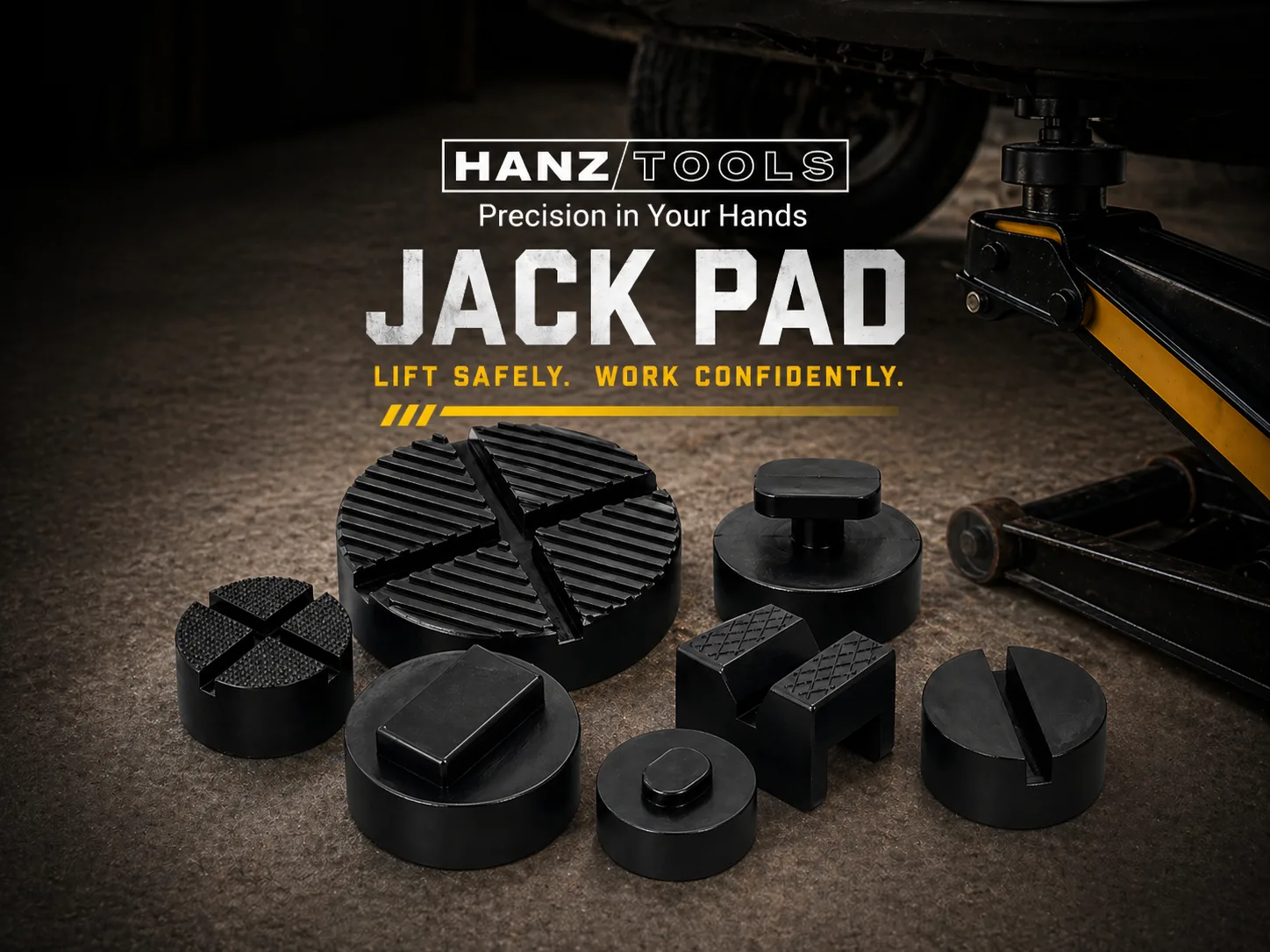
Jack pads are an important accessory for vehicle owners who regularly use a floor jack.
Most vehicles have designated lifting points that are designed to support the vehicle when it is raised. These areas should be identified before lifting, and the lifting equipment should always be positioned according to the vehicle manufacturer's recommendations.
A suitable jack pad provides additional protection between the jack and the vehicle's lifting point. This can help reduce direct contact and minimize the possibility of scratches, dents, or other damage to the chassis.
Jack pads are particularly useful for DIY mechanics who frequently perform maintenance at home.
Car Ramps for Convenient Undercar Access
Car ramps are another practical addition to a home garage. They provide a straightforward method for gaining access underneath a vehicle for suitable maintenance tasks.
Ramps can be useful for:
- Oil changes
- Exhaust inspections
- Undercarriage checks
- Routine vehicle inspections
- Cleaning underneath the vehicle
- General maintenance
One of the main advantages of car ramps is convenience. Instead of repeatedly setting up lifting equipment, ramps can provide a quick and accessible working position.
However, ramps should always be used on a suitable surface and according to their specifications. Vehicle owners should also make sure the vehicle is positioned correctly before beginning any work.
Leveling Blocks for Better Stability
Many DIY mechanics perform maintenance in driveways, garages, or outdoor locations. Unfortunately, these surfaces are not always perfectly level.
Leveling blocks can help improve vehicle positioning and provide additional stability when working in less-than-ideal conditions.
They can be particularly useful for:
- Uneven driveways
- Outdoor maintenance areas
- Temporary workspaces
- Garage floors with minor level differences
- Vehicle positioning tasks
A stable working environment makes maintenance more controlled and can help reduce unnecessary movement during repairs.
Building a Practical Home Garage
A good garage does not need to contain every automotive tool available. Instead, focus on equipment that supports the maintenance tasks you actually perform.
A practical setup can include basic hand tools along with lifting and support accessories such as jack pads, car ramps, and leveling blocks.
As your experience grows, you can gradually add specialized equipment for specific repair jobs.
This approach has several advantages:
- Less unnecessary spending
- Easier tool organization
- Better use of storage space
- More relevant equipment
- Faster access to frequently used tools
Car Repair Tools for Routine Maintenance
Reliable tools can support many common vehicle maintenance activities.
Oil and Fluid Checks
Routine fluid maintenance requires proper access and a suitable working environment. Having the right tools can make these tasks more convenient and organized.
Brake Inspections
Brake components require careful inspection and proper working procedures. Suitable automotive tools can provide better access when checking components.
Exhaust Inspections
The exhaust system is located underneath the vehicle, so convenient undercar access is important when checking for visible damage, loose components, or other issues.
General Undercarriage Checks
Regularly inspecting the underside of a vehicle can help identify visible problems before they become more serious. Ramps and suitable support equipment can make these inspections easier.
How to Choose the Right Tools
When purchasing car repair tools, consider more than price alone.
Vehicle Compatibility
Different vehicles can have different lifting points, dimensions, and maintenance requirements. Make sure the equipment you choose is suitable for your vehicle.
Build Quality
Tools used for vehicle maintenance should be made for the intended application and capable of handling repeated use.
Ease of Use
Equipment that is simple to position, operate, and store can make DIY maintenance much more efficient.
Storage
Consider the amount of garage space available. Compact and practical equipment can be easier to organize.
Maintenance Requirements
Think about the jobs you perform most frequently. Your tool collection should grow according to your actual maintenance needs.
Safety Should Always Come First
Even the best car repair tools cannot replace proper safety practices.
Before starting any maintenance task:
- Park the vehicle on an appropriate surface.
- Follow the manufacturer's recommendations.
- Identify the correct lifting points.
- Inspect tools before use.
- Check that equipment is positioned correctly.
- Keep the workspace clean and organized.
- Never rush a repair.
- Use suitable support equipment whenever required.
Working underneath a vehicle requires particular attention to safety. Always make sure the vehicle is properly supported before beginning work underneath it.
Why a Small Tool Collection Can Be Enough
Some people assume that serious DIY maintenance requires a huge collection of professional equipment. In reality, a carefully selected collection can be much more useful.
For many vehicle owners, dependable lifting accessories, ramps, stability equipment, and basic hand tools can cover a wide range of routine tasks.
The goal should be to build a collection that is useful, reliable, and appropriate for your vehicle.
Final Thoughts
The right car repair tools can make DIY vehicle maintenance more efficient, organized, and convenient. Jack pads can help protect lifting points, car ramps provide practical undercar access, and leveling blocks can improve stability when working on uneven surfaces.
Whether you are an experienced DIY mechanic or simply want to take better care of your vehicle, investing in dependable automotive equipment is a practical long-term choice.
A well-planned garage does not need to be complicated. Start with reliable tools for the maintenance jobs you perform most often, follow safe working practices, and gradually expand your collection as your needs change.
Explore more car repair tools and maintenance accessories:
https://hanztools.com/collections/car-repair-tools-maintenance-accessories