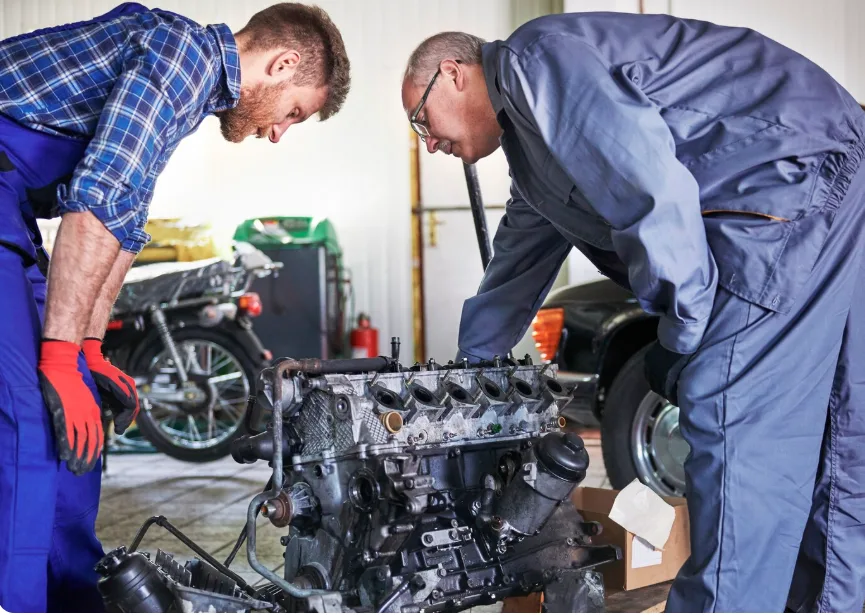
Maintaining a vehicle requires regular attention, suitable equipment, and a basic understanding of automotive care. Whether you enjoy working on your own car or simply want to prepare for routine maintenance, having the right car repair tools can make your garage more practical and organized.
From everyday hand tools to specialized lifting accessories, each tool serves a different purpose. Choosing the right equipment involves more than comparing prices. Vehicle compatibility, product specifications, intended applications, storage requirements, and safety considerations all play an important role.
This guide explores essential automotive tools, explains how to choose suitable equipment, and provides practical tips for building a reliable home garage.
1. Why Are Car Repair Tools Important?
A suitable toolkit helps vehicle owners prepare for maintenance tasks without repeatedly searching for the necessary equipment. It can also make it easier to organize a workspace and identify which tools are needed before beginning a job.
The benefits of having appropriate automotive tools include:
- Better preparation: Keeping essential tools together makes it easier to prepare for planned maintenance.
- Improved organization: Designated storage helps prevent tools and small accessories from becoming misplaced.
- More appropriate equipment choices: Selecting tools for specific applications reduces the temptation to use unsuitable alternatives.
- Greater convenience: Having the correct equipment available can make certain maintenance tasks more manageable.
- Long-term practicality: A carefully selected toolkit can grow as your skills and maintenance requirements develop.
The goal is not to own the largest collection of tools. It is to have equipment that matches your vehicle, workspace, experience, and intended tasks.
2. Essential Hand Tools for Everyday Automotive Tasks
Hand tools are often the foundation of a home automotive toolkit. Although the exact selection depends on your vehicle, several categories are useful starting points.
Socket Sets
Socket sets contain sockets in different sizes for compatible fasteners. They are useful for many automotive tasks, provided the socket size and drive type match the application.
When choosing a socket set, consider the range of sizes, drive compatibility, storage case, and intended use. Using the wrong size can damage a fastener or make the task more difficult.
Wrenches
Wrenches are designed to work with particular fasteners and come in different sizes and styles. A practical selection should reflect the types of maintenance you expect to perform.
Always use the correct wrench size and follow the manufacturer's instructions for the component being serviced.
Screwdrivers and Pliers
Screwdrivers and pliers can support various basic tasks, from working with compatible screws to gripping suitable components. Different designs serve different purposes, so selecting the appropriate tool is important.
Avoid using a screwdriver as a pry bar or substituting pliers for a tool designed specifically for a fastener. Using tools incorrectly can cause damage or injury.
Tool Storage
A toolbox or organizer helps keep frequently used items accessible. Grouping tools by type and returning them to their designated locations after use makes it easier to prepare for future maintenance.
3. Jack Pads and Vehicle Lifting Accessories
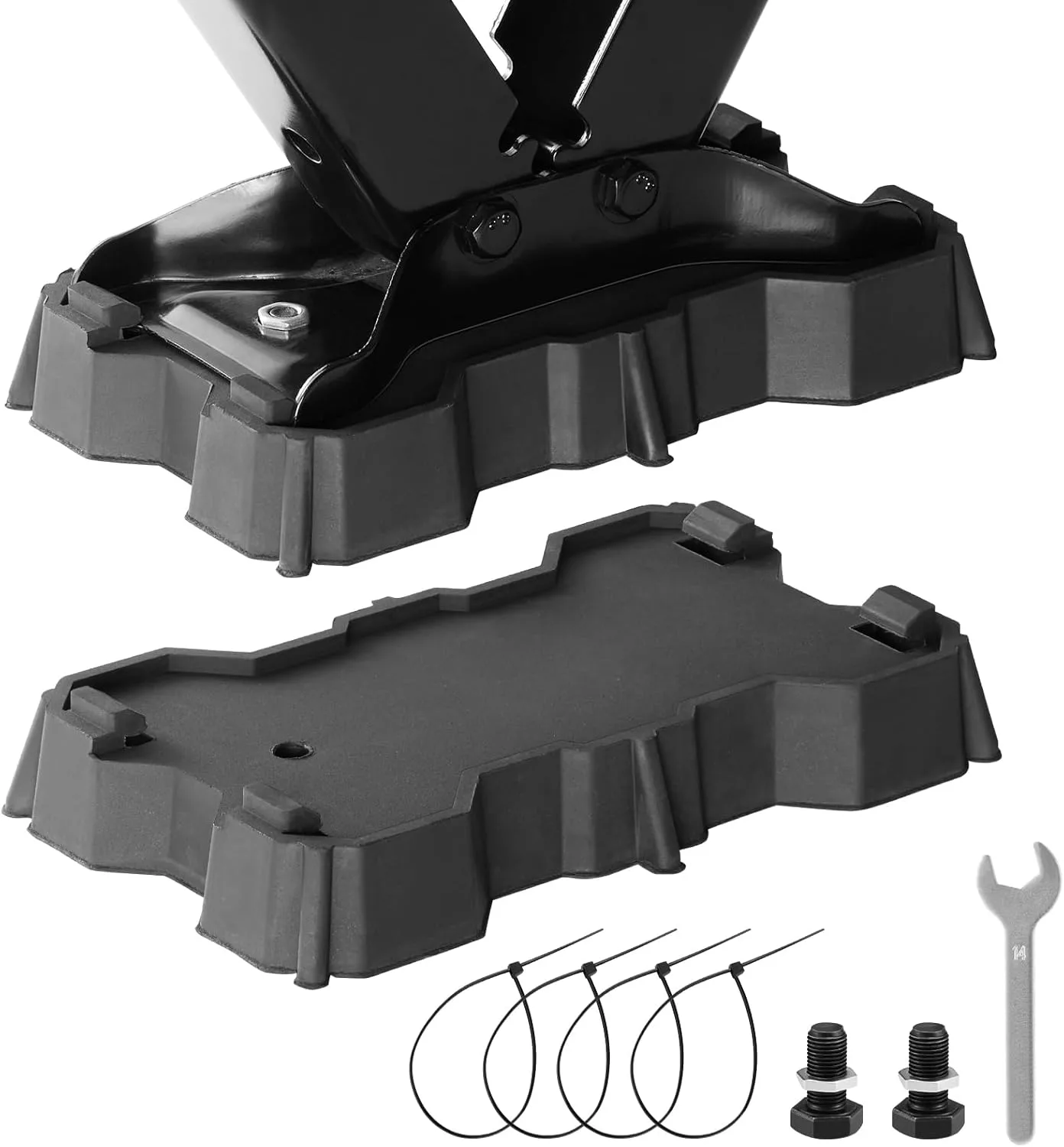
Jack pads are automotive accessories designed to provide a suitable contact surface between a compatible jack and the vehicle's designated lifting points.
They can be useful when a vehicle is being lifted according to the manufacturer's instructions, but the correct fit is essential.
Before purchasing jack pads, consider the following factors:
- Vehicle compatibility: Check whether the pad matches the vehicle's lifting-point design.
- Jack compatibility: Confirm that the pad is suitable for the jack being used.
- Dimensions: Review measurements and product specifications rather than relying on appearance alone.
- Material and construction: Select products intended for the relevant automotive application.
- Condition: Inspect the accessory before use and do not use damaged equipment.
Correct positioning is critical. Always follow the vehicle manufacturer's lifting instructions and the jack manufacturer's operating guidance.
Jack pads do not independently support a raised vehicle. Never work underneath a vehicle supported only by a jack. Use appropriately rated jack stands or other specified support equipment when required.
4. Car Ramps for Suitable Maintenance Procedures
Car ramps can raise a vehicle to provide additional access for certain inspections and maintenance tasks. They may be useful in a home garage, but their suitability depends on the vehicle, ramp design, and job being performed.
Check the Rated Capacity
Always verify the manufacturer's rated capacity and confirm that the ramps are suitable for your vehicle. Never exceed the stated load limit.
Consider Ground Clearance
Low-clearance vehicles may require ramps with suitable dimensions and an appropriate approach angle. Check compatibility before attempting to drive onto the ramps.
Review Tire Dimensions
Ramp width and design must accommodate the vehicle's tires. Read the manufacturer's instructions and confirm that the product is appropriate for the intended application.
Prepare the Work Area
Use ramps only on a firm, level surface and follow the specified positioning and securing procedures. Inspect the ramps before use and remove damaged equipment from service.
Car ramps are not suitable for every vehicle or every repair. Select equipment according to the task and use appropriate support arrangements whenever required.
5. Inspection Tools and Garage Accessories
A useful home garage needs more than tools for loosening fasteners. Proper lighting, organized storage, and suitable inspection accessories can also improve the workspace.
Consider these additions:
- Inspection lights: Help illuminate areas that are difficult to see.
- Tool organizers: Keep small tools and accessories grouped together.
- Storage cases: Help protect equipment when it is not being used.
- Cleaning supplies: Support routine tool care when appropriate.
- Labels and drawer dividers: Make it easier to locate specific items.
The best arrangement depends on the size of your garage and the work you perform. A small workspace may benefit from portable storage, while a larger garage may accommodate dedicated tool drawers or shelves.
6. How to Choose the Right Car Repair Tools
Selecting automotive equipment becomes easier when you follow a clear process.
Step 1: Identify Your Maintenance Needs
Make a list of the tasks you expect to perform. Basic visual inspections, routine servicing, and more involved repairs may require very different equipment.
Prioritize tools that support your actual needs rather than purchasing products simply because they are available.
Step 2: Check Vehicle Compatibility
Vehicles differ in their lifting points, ground clearance, tire dimensions, and service requirements. Consult your owner's manual before selecting specialized accessories.
Step 3: Compare Specifications
Review dimensions, materials, compatibility details, and intended applications. For lifting equipment, pay particular attention to the stated capacity and operating instructions.
Step 4: Consider Durability and Storage
Think about how frequently you will use each item and where it will be stored. Equipment should be appropriate for your working conditions and maintained according to its instructions.
Step 5: Understand the Limitations
Some repairs require specialized tools, diagnostic equipment, or professional training. If you are uncertain about a procedure, consult a qualified mechanic instead of attempting work beyond your experience.
7. Common Mistakes to Avoid When Buying Automotive Tools
Even a well-intentioned purchase can be unsuitable if important details are overlooked.
Choosing tools based on price alone: A low price does not guarantee that a product meets your needs. Compare specifications and intended applications.
Ignoring compatibility: A tool designed for one vehicle or application may not fit another. Check measurements and product information before buying.
Using the wrong tool for a task: Improvised alternatives can damage fasteners, components, or equipment.
Overlooking storage requirements: Tools that are difficult to organize can become misplaced or damaged. Plan storage before building a large collection.
Neglecting inspection: Worn, cracked, or damaged tools should not be used. Check equipment before every job.
Avoiding these mistakes can help you build a more practical toolkit and reduce unnecessary purchases.
8. Keep Your Garage Organized
A clean, organized workspace makes it easier to prepare for maintenance and keep track of equipment.
Start by grouping tools according to their function. Keep commonly used hand tools accessible, and store specialized accessories in clearly designated areas. Follow the manufacturer's storage instructions for lifting equipment and other safety-related products.
Before beginning a task, confirm that you have the required tools and that each item is in suitable condition. After completing the job, clean and store the equipment appropriately.
A simple maintenance checklist can help:
- Identify the tools required for the job.
- Review the vehicle and equipment instructions.
- Inspect tools and accessories for visible damage.
- Prepare an appropriate working area.
- Keep unnecessary objects away from the workspace.
- Return tools to their designated locations after use.
These habits can make a home garage easier to manage over time.
9. Automotive Safety Should Always Come First
The right car repair tools are only one part of safe vehicle maintenance. Correct procedures and an understanding of equipment limitations are equally important.
Follow the vehicle manufacturer's instructions and use equipment only for its intended purpose. Never exceed the stated capacity of a jack, ramp, or support. Never work beneath a vehicle supported only by a jack, and use appropriately rated jack stands when required.
Keep clear of moving components, allow hot parts to cool when appropriate, and do not use visibly damaged equipment. If a task involves unfamiliar vehicle systems or specialized procedures, professional assistance may be the safest option.
10. Build a Toolkit That Grows With Your Needs
You do not need to purchase every automotive tool at once. A more practical approach is to begin with suitable basic tools and add specialized equipment when a specific maintenance requirement arises.
For example, a driver who mainly performs visual inspections may need a different setup from someone who regularly works on wheels or carries out more advanced maintenance.
Focus on compatibility, useful specifications, proper storage, and safe operation. As your experience develops, you can review your toolkit and add equipment that supports your actual work.
Conclusion
Choosing the right car repair tools is about understanding your vehicle, identifying your maintenance needs, and selecting suitable equipment for each task. Hand tools, jack pads, car ramps, inspection accessories, and storage solutions can all contribute to a more organized garage when chosen for the correct applications.
Before purchasing automotive equipment, compare specifications, check compatibility, and review the manufacturer's instructions. Inspect your tools regularly, keep your workspace organized, and follow appropriate safety procedures whenever you work on a vehicle.
If you are exploring equipment for your home garage, HanzTools offers a collection of automotive tools and maintenance accessories to help you compare products for your needs.
Explore the collection here:
https://hanztools.com/collections/car-repair-tools-maintenance-accessories