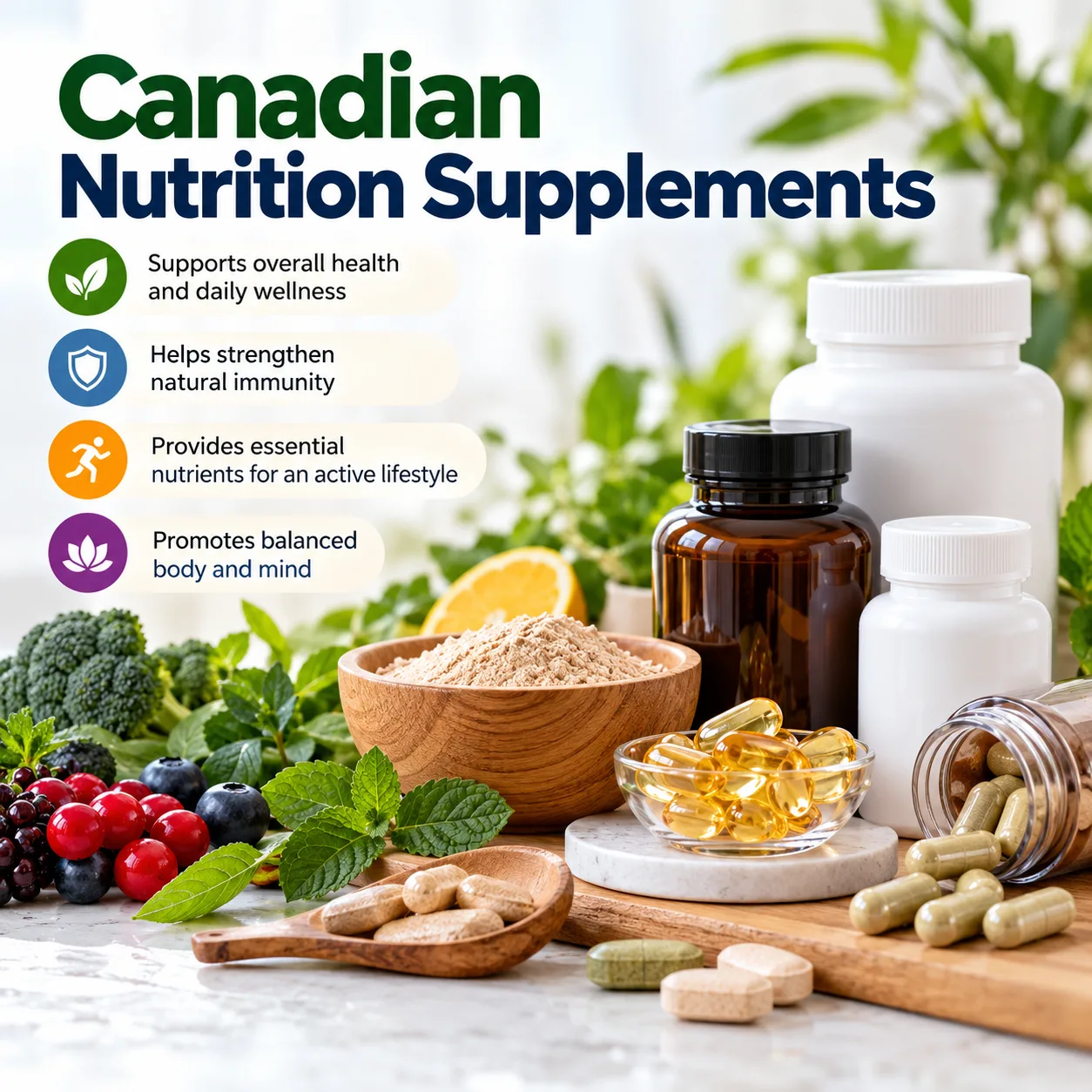
Walking into a health store or browsing an online wellness shop can feel overwhelming. There are protein powders, vitamins, minerals, herbal products, and many other choices. Every package seems to promise something different. With so many options, how do you know what is actually worth buying?
The good news is that choosing a supplement does not have to be confusing. A smart approach starts with understanding your own needs, checking product information, and looking for quality rather than simply following the latest trend. Whether you are trying to support your daily nutrition, maintain an active lifestyle, or fill a gap in your diet, a few simple steps can make the process much easier.
Start With Your Personal Needs
The first step is to think about why you want a supplement. Your reason matters because there is no single product that works for everyone.
Some people may want help meeting their daily nutrient needs. Others may have a busy schedule and find it difficult to maintain a balanced diet. Athletes may look for products that fit their training routine, while older adults may have different nutritional needs.
Before buying anything, ask yourself:
- What am I hoping to improve?
- Is there a gap in my regular diet?
- Am I already taking other supplements?
- Do I have any food allergies or sensitivities?
- Is the product suitable for my age and lifestyle?
- Have I discussed my needs with a qualified health professional?
These simple questions can help you avoid buying products simply because they are popular.
Look Beyond the Front of the Package
The front of a supplement package is designed to catch your attention. Words such as “natural,” “advanced,” “premium,” and “complete” can sound impressive. However, the most useful information is often found on the back.
Take time to read the product label. Look at the ingredients, suggested use, warnings, and storage instructions. A clear label makes it easier to understand what you are buying.
When comparing products, pay attention to:
- The complete ingredient list
- Suggested serving information
- Allergen statements
- Storage instructions
- Expiry or best-before information
- Manufacturer details
- Directions for use
- Any warnings or precautions
A little extra reading can prevent a rushed purchase.
Quality Should Come Before Hype
The supplement market is full of new trends. One product may suddenly become popular on social media, while another may be promoted by influencers. Popularity can be useful for discovering new ideas, but it should not be the main reason you buy something.
Quality is more important than hype. Reliable Canadian nutrition supplements should come from manufacturers that provide clear product information and follow appropriate quality practices. Consumers should also be careful about claims that sound too good to be true. For example, be cautious when a product promises instant results, dramatic changes, or solutions for many unrelated problems at once. A better approach is to focus on realistic goals and transparent information.
Understand What “Natural” Really Means
Many shoppers assume that natural products are automatically safer. That is not always the case. Natural ingredients can still affect the body. Some may interact with medications or may not be suitable for certain people. This is why reading the label and understanding the ingredients is important.
Natural should be viewed as a description of an ingredient, not as a guarantee of safety or effectiveness. Before adding a new product to your routine:
- Check the ingredients carefully.
- Follow the recommended directions.
- Avoid taking several products with similar ingredients.
- Ask a healthcare professional if you take prescription medicine.
- Stop and seek advice if you notice an unusual reaction.
Being informed is one of the easiest ways to make better choices.
Do Not Buy More Than You Need
More is not always better. This is an important idea when building a supplement routine. It can be tempting to create a large collection of products after seeing advertisements about different wellness goals. But taking many products at once can make it difficult to understand what is helping, what is unnecessary, and what may be causing unwanted effects.
A practical strategy is to:
- Identify your main nutritional goal.
- Review your current diet.
- Choose products that match that goal.
- Introduce changes carefully.
- Keep track of what you are using.
- Review your routine from time to time.
Simple habits are easier to maintain than complicated routines.
Immune Health Requires a Bigger Picture
Immune health is another area where shoppers often face a huge number of products and bold claims. It is easy to believe that one product can provide complete protection, but healthy immune function depends on many parts of everyday life.
Good nutrition is only one piece of the puzzle. Sleep, physical activity, stress management, hydration, and general health also matter.
When evaluating immune-focused products, consider:
- Whether the ingredients have a clear purpose
- Whether the product fits your normal diet
- Whether the claims are realistic
- Whether you actually need the product
- Whether you are already getting similar nutrients elsewhere
- Whether professional advice would be useful
Products marketed as immune boosting products should not replace healthy habits or medical care. Think of supplements as one possible part of a broader wellness plan.
Watch Out for Marketing Tricks
Modern wellness marketing is designed to create excitement. Bright packaging, celebrity endorsements, dramatic before-and-after stories, and urgent discounts can all influence buying decisions. That does not mean every product is bad. It simply means shoppers should separate marketing from useful information.
Be careful with claims such as:
- “Works instantly”
- “Miracle solution”
- “Guaranteed results”
- “One product for everything”
- “No lifestyle changes needed”
- “Everyone needs this”
Good health usually does not come from one magic product. It is built through consistent habits and informed decisions.
When Professional Advice Makes Sense
Supplements may be available without a prescription, but that does not mean every product is right for every person. A doctor, pharmacist, dietitian, or other qualified professional can help you understand whether a supplement makes sense for your situation.
Professional guidance can be especially useful if you:
- Take prescription medications.
- Are pregnant or breastfeeding.
- Have an existing health condition.
- Are planning surgery.
- Have food allergies.
- Are considering several supplements at once.
- Are unsure whether you actually need a supplement.
Getting advice does not mean you have to stop exploring wellness products. It simply gives you another layer of information before making a decision.
Build a Smarter Wellness Routine
The best supplement routine is one that fits naturally into your life. You should not need a complicated schedule or a shelf full of products to support healthy habits.
Start with the basics. Eat a varied diet, stay active, get enough sleep, drink enough water, and manage stress as well as you can. Then consider whether a supplement can help fill a specific nutritional gap. A simple routine may be easier to follow because it is realistic. Consistency often matters more than constantly changing products.
Final Thoughts
Choosing supplements does not need to feel like solving a puzzle. The key is to slow down, understand what you need, read labels carefully, and avoid making decisions based only on trends. Instead of asking, “What is the most popular product?” ask, “Does this product make sense for me?” That small change in thinking can lead to better decisions.
A smart shopper looks for clear information, realistic claims, suitable ingredients, and responsible use. With these habits, you can approach the growing wellness market with greater confidence and less confusion. The goal is not to buy more. The goal is to make choices that support your overall wellness in a simple, informed, and practical way.