
When the weather is hot and humid, a moisturiser can feel like one extra layer you do not want. Your face may look shiny by midday, yet still feel tight after cleansing or uncomfortable around the cheeks. That combination can make skincare seem confusing: should you skip hydration because your skin already feels oily, or continue using a moisturiser even when it seems too heavy?
Hyaluronic acid can fit into a routine in warm weather. It is commonly used as a humectant, which means it helps attract and hold water within the skin’s surface layers. The important point is that hydration and oiliness are not the same thing. The aim is to find a product and routine that leave your skin comfortable without adding more weight than you need.
Humidity does not automatically mean your skin has enough water
Humidity describes moisture in the air. It does not tell you everything about the condition of your skin. Your skin can produce excess sebum and still feel tight, rough or less supple. Cleansing too often, using products that feel stripping, spending time in air-conditioned rooms and frequently changing skincare can all affect how comfortable your skin feels.
Instead of deciding based on the weather alone, observe how your skin behaves after cleansing and through the day. Does it feel comfortable, or does it become tight? Does a rich cream feel unpleasant, or does even a lightweight gel leave a sticky film? Those details can help you choose the right texture.
What hyaluronic acid does in a skincare routine
Hyaluronic acid and its related forms are used in skincare for their water-binding properties. You will often see sodium hyaluronate on an ingredient list; it is a salt form commonly used in topical formulas. Products can use different molecular weights and formulation approaches, which may affect the experience and how ingredients are distributed in the product. The name alone does not tell you every detail about the finished formula.
Hyaluronic acid is not an exfoliating acid like glycolic acid, and it should not be confused with an ingredient used primarily to remove dead skin cells. It is generally included to support hydration and a plumper, smoother-looking surface. The result also depends on the rest of the formula and on how consistently you use it.
A hydrating product does not have to feel greasy to be useful. Gels and lightweight lotions can be appealing in warm climates because they may feel less occlusive than richer creams. Still, “gel” does not guarantee a completely weightless finish: different formulas contain different supporting ingredients, and individual preferences vary.
Should you use hyaluronic acid when it is hot and humid?
Yes, provided the product suits your skin. There is no general rule that hyaluronic acid should be avoided in humid weather. If your skin feels comfortable with a lightweight hydrating gel, you can keep it in your routine during hot months. If a particular formula leaves a sticky or tacky finish, try a smaller amount as directed, adjust the other layers, or consider a different texture rather than assuming the ingredient itself is wrong for the climate.
Some people prefer to apply hydrating products to slightly damp skin, while product instructions differ. Follow the directions on the specific product you are using. The more important habit is to avoid over-cleansing or repeatedly washing away products because your face feels shiny. Doing so may leave skin feeling less comfortable without solving the underlying preference for a lighter routine.
Meet InSkin Deep Hydration Gel
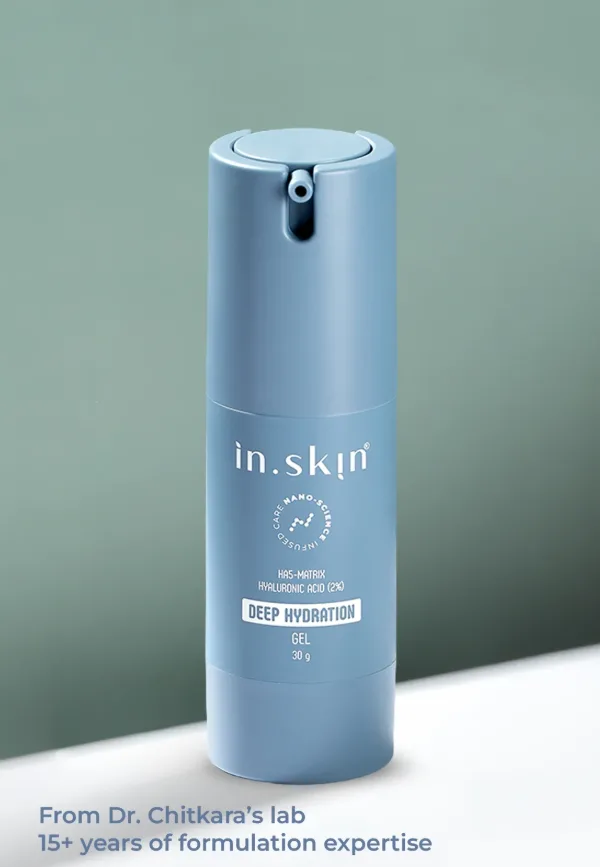
InSkin’s **DEEP HYDRATION GEL with HA5 Matrix-Hyaluronic Acid (2%)** is positioned as a lightweight hydrating gel for skin that needs moisture. The product page describes HA5 Matrix (2%) as a multi-layer hydration system intended to help deliver and retain moisture while supporting a healthy-looking skin barrier. The page also says the gel can help skin look plump, smooth and refreshed, and identifies it as suitable for all skin types.
Its listed ingredients include several forms of sodium hyaluronate with different molecular weights, along with glycerol, aloe vera leaf extract, cucumber fruit extract and other ingredients. That ingredient list is more informative than the phrase “hyaluronic acid” alone because the finished product is a combination of components, not a single isolated ingredient.
If you are considering the gel for hot or humid conditions, think about the full routine around it. You may prefer to use a modest amount of the gel and then apply sunscreen during the day. At night, add another moisturising step only if your skin needs it and the products work well together. Check the current product directions and ingredient list before use, particularly if you have known sensitivities.
A simple hydration routine for hot weather
In the morning, cleanse gently rather than trying to remove every trace of oil. Apply your hydrating product if your skin benefits from it, then use sunscreen according to its directions. If you wear makeup, give the skincare layers time to settle so they are less likely to mix or pill.
In the evening, remove sunscreen and makeup thoroughly but gently. Use your hydrating gel, then decide whether you need a separate moisturiser based on how your skin feels. There is no need to force a complicated routine into hot weather. On days when your skin feels comfortable with fewer steps, keep it simple; when air conditioning or cleansing leaves it tight, consider whether a little additional moisture helps.
What if your skin feels oily and dehydrated at the same time?
That experience is not unusual, but the phrase “dehydrated skin” is often used loosely online. A feeling of tightness, roughness or a temporarily dull appearance can have several causes, and it is not possible to diagnose the skin condition from one symptom alone. Start by observing when the discomfort appears and whether certain products make it better or worse.
Choose textures based on how your skin responds rather than treating oiliness as a reason to skip every moisturising step. You may find that a lightweight gel offers a more comfortable middle ground than a rich cream. If the gel does not feel right, that is useful feedback too; no single texture is ideal for everyone.
If dryness, itching, redness or scaling persists, or if products cause repeated irritation, consider speaking with a dermatologist. Skincare should make your routine more comfortable, not turn daily hydration into a constant trial-and-error exercise.
Hydration can change with the season; your basics do not need to
Hot and humid weather may change the textures you enjoy, but it does not make hydration irrelevant. Hyaluronic acid can be part of a warm-weather routine, especially when offered in a lightweight format that suits your skin. Focus on gentle cleansing, a comfortable hydrating step and daily sun protection, then adjust the number and richness of layers to your needs.
InSkin Deep Hydration Gel with HA5 Matrix-Hyaluronic Acid (2%) is one option to assess if you want a gel-based hydration step. Its fit depends on your preferences and the rest of your routine. Rather than judging a product by the weather alone, look for a formula you can use consistently and that leaves your skin feeling comfortable.