Car window tinting enhances comfort, privacy, and protection, and also minimizes the heat and glare when one is driving in normal daily conditions. A common issue with scratches on car glass is the concern of film adhesion, finish quality, and what may occur after the installation as a long-term issue.
The condition of the surface is an influential key to the performance of the tint with time and the appearance of the final work. Professional assessment prevents problems and guarantees improved outcomes in using car window tinting Chula Vista services.
Types of Scratches on Car Glass
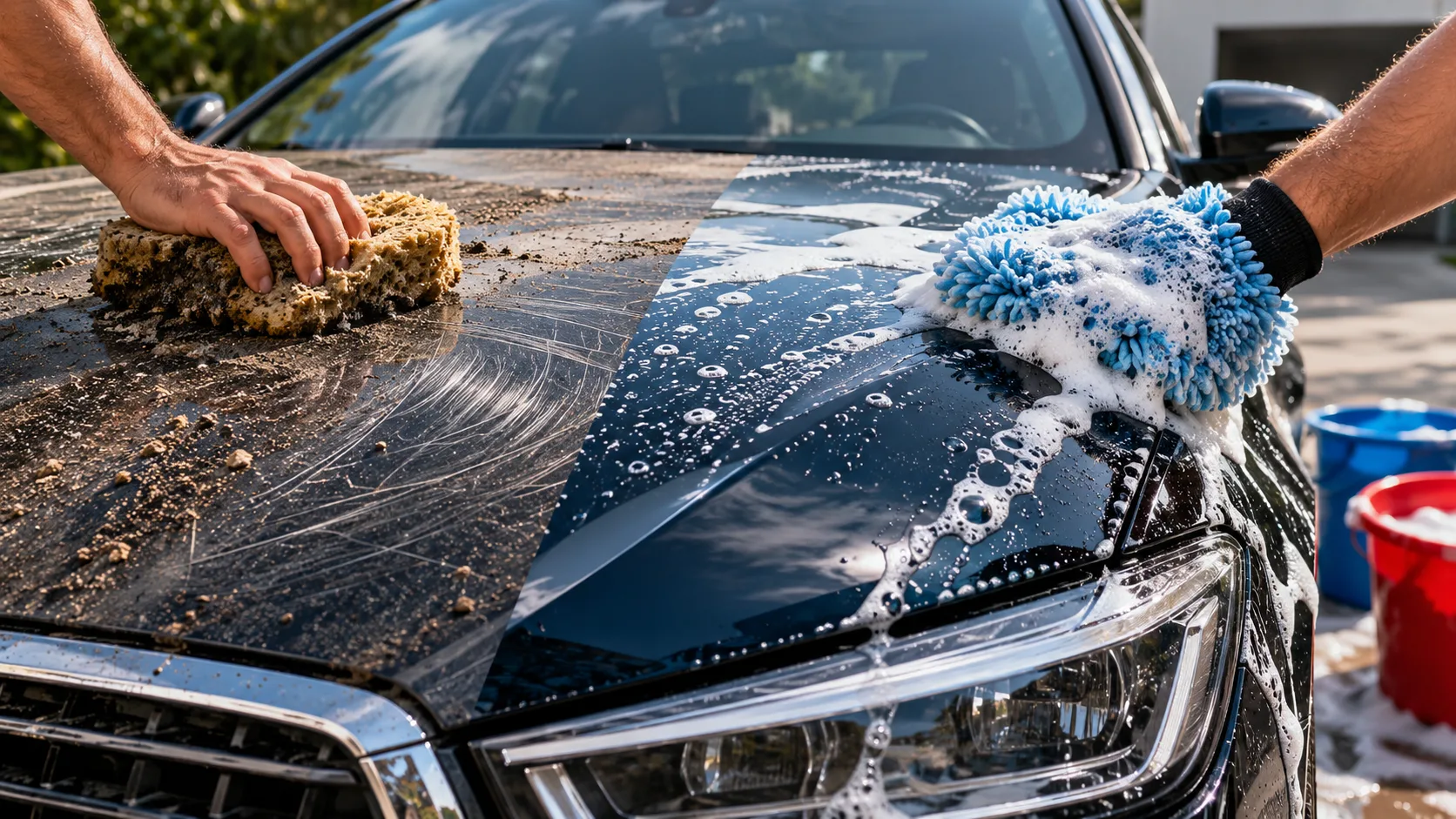
The scratches on a car's glass are acquired with time because of the environment, cleaning practices, and frequent wear from driving conditions. All types influence tint performance in different ways, and identifying them is essential prior to use.
Light Surface Marks
Dust and soft debris rubbing on glasses are the cause of light surface marks, which generally go unnoticed under normal daylight conditions.
Moderate Abrasion Zones
Medium-abrasion areas somewhat degrade clarity and can disrupt adhesion quality, particularly in high-quality films such as Kepler IR and Kepler IR+, to achieve advanced heat rejection.
Deep Glass Grooves
These sharp lines cut into the glass frame and form noticeable distortion, which affects the finish and significantly decreases the performance of any car window tinting operation in the long term.
What Happens If You Apply Tint Over Scratched Glass?
There are a variety of performance and safety concerns associated with tinted and scratched glass. It results in poor appearance, reduced longevity, and reduced driving comfort. These effects are understood to prevent expensive errors and can guarantee improved long-run outcomes.
Adhesion Failure Risks
Tint films are applied to the smooth surfaces of glass to bond uniformly and form a stable finish. Scratches disrupt this bonding process, causing lifting edges, air pockets in the final cure, and an irregular pattern of curing. Visibility and safety are also standards to be adhered to under window tint laws, which can be challenging when adhesion is poor on damaged glass surfaces.
Lack of proper bonding also drives up maintenance and decreases the overall stability of installed tint systems with time. It is mainly during temperature variations and cleaning cycles that create stress on already worn adhesive layers.
Clarity Distortion Problems
Scratches bend incoming light and may become visible after being tinted on the surface. Reflections may make the shadow appear more intense, particularly during sunrise or at night with headlights. Film quality also plays a role in the outcomes between nanoceramic and traditional window film, where both behave differently toward surface flaws.
Ceramic-type films tend to work better with heat but are unable to completely repair the underlying glass damage. This necessitates surface preparation before installation to ensure consistent clarity and minimize undesirable visual distortions observed under driving conditions.
Shortened Film Durability
Fractured glass reduces bonding strength and causes tint films to age faster than expected. Lack of security results in the formation of bubbles, peeling, and the resulting uneven wearing that reduces the lifespan of the installation. Surface irregularities lead to early deterioration, thereby increasing maintenance frequency and costs.
Poor quality material will be a further danger when looking at the risks of cheap window tint, which is already at a disadvantage over long-term longevity. Along with scratched faces, long-term performance declines significantly, necessitating faster replacement and higher installation costs.
Uneven Heat Performance
Smooth film contact is a technique to reduce heat rejection performance on glass. Scratches break this balance, leading to uneven thermal control over the surface. The more sophisticated technologies, such as the Kepler IR and Kepler IR +, will be effective on pristine glass with uniform infrared rejection.
Broken-up surfaces provide locations where heat is not transferred equally, diminishing the comfort of cabin occupants in hot seasons. An imbalance in temperature can also lead to higher air conditioning use, at the expense of fuel efficiency and overall driving comfort. Mainly during the extended exposure to sunlight conditions that are a frequent experience on the road.
Reduced Driving Safety
The tinted film and scratched glass may be used to minimize visibility at night and in bad weather. The glare of headlights and streetlights is intensified by light scattering and may impair response time in emergencies. When visibility is suddenly reduced, drivers might have problems with depth perception and the ability to see specific objects.
The danger of untreated damage also underscores the dangers of untinted car windows, which already expose occupants to glare, heat, and UV radiation. Together with scratches, vision problems are more severe and make driving more complicated, significantly increasing safety risks.
Conclusion
The state of the glass directly affects tint performance, durability, and image quality under various driving and weather conditions. A good preparation of the surface leads to a better installation and longer results, not needing to be maintained.
Premium solutions like KEPLER Window Films and Coatings offer advanced protection, improved clarity, and reliable heat rejection for better driving comfort. Reach out today to get a quick quote for your vehicle needs!
Frequently Asked Questions
CAN MINOR SCRATCHES BE IGNORED BEFORE INSTALLING WINDOW TINT?
Any small scratches can be tolerated provided they do not have a significant bearing on the adhesion, the visibility, or the overall functioning of the film as a whole.
DOES POLISHING GLASS HELP BEFORE APPLYING WINDOW TINT FILM?
The advantages of glass polishing are to improve smoothness, minimize imperfections, and create more efficient bonding to achieve greater tint application performance in general.
SHOULD SCRATCHED WINDOWS BE REPAIRED BEFORE TINT INSTALLATION?
Use of scratched windows should be repaired so that the film lasts longer, the look of the windows becomes good, and the chances of premature peeling problems are minimized.