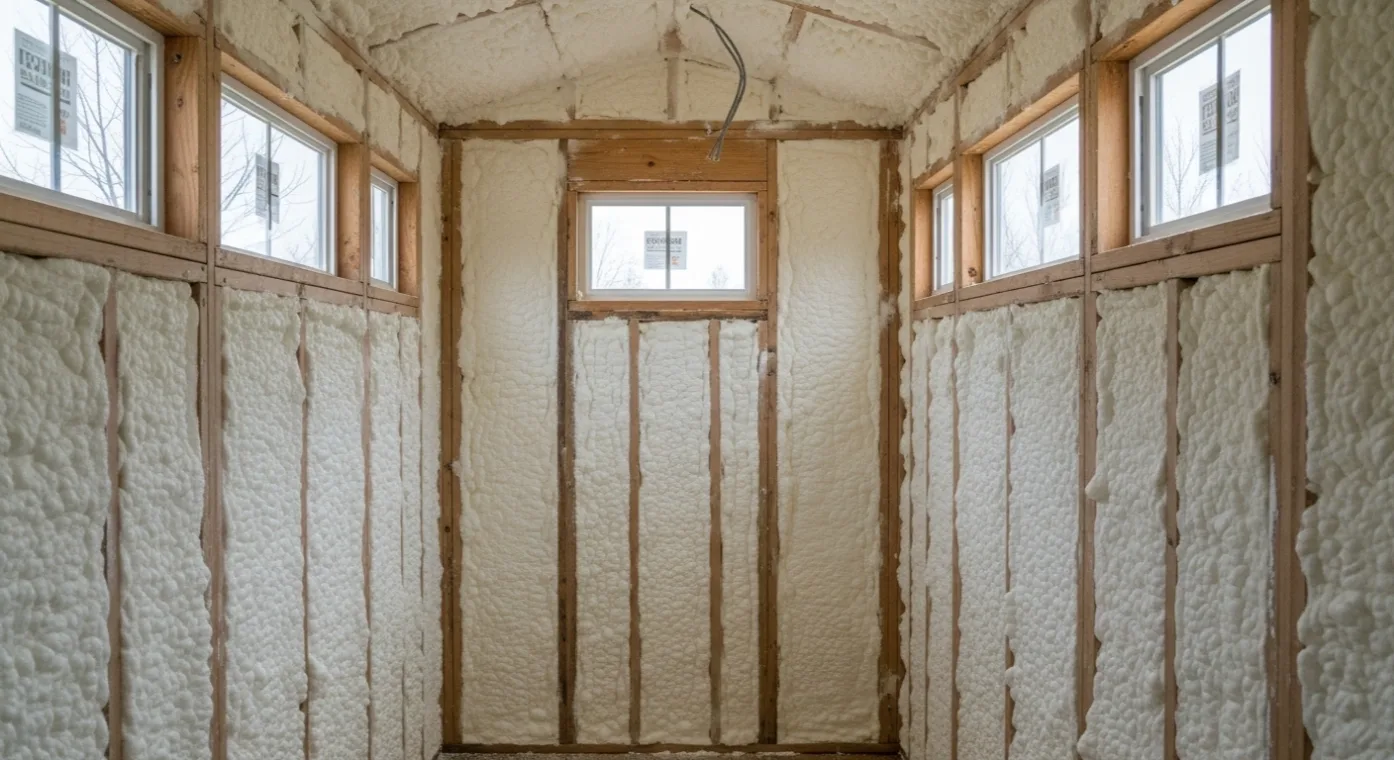
Spray foam insulation does not automatically create mortgage problems for Raleigh, NC, home buyers. Mortgage concerns are more likely when the installation creates inspection issues, hides important building components, has moisture or workmanship problems, or lacks documentation needed to understand the work. A lender may require further inspection or repairs if an appraisal identifies a property condition that affects safety, soundness, or value.
For buyers researching spray foam mortgage problems, the main things to check are the location and condition of the foam, installation records, applicable North Carolina code requirements, inspection findings, and the lender's requirements. Homeowners exploring spray foam insulation solutions in Raleigh, NC should also keep installation records available, as proper documentation can help inspectors, appraisers, and lenders evaluate the property.
Why Spray Foam Can Become A Mortgage Concern
The foam itself is not the main issue. The concern usually starts when an inspector, appraiser, lender, or buyer cannot verify important parts of the property.
Fannie Mae's current property-condition guidance requires appraisers to report physical deficiencies that can affect a property's safety, soundness, or structural integrity. If an issue needs repair or specialist review, the appraisal can be made subject to that work or inspection.
Roof Areas Need Extra Attention
Spray foam is sometimes applied directly to the underside of a roof deck. That installation can make parts of the roof structure less visible during a conventional inspection.
This does not mean every foam-insulated roof is a mortgage problem. It means the buyer should have enough documentation and access to qualified professionals so the condition of the roof assembly can be evaluated properly.

Missing Records Can Slow The Process
A buyer may face additional questions if the seller cannot provide information about:
- The product that was installed and where it was applied.
- The installer, installation date, and project scope.
- Foam thickness and installed R-value where documentation is required.
- Permits or other records applicable to the project.
- Warranties, product information, or related inspection reports.
The more clearly the work is documented, the easier it can be for professionals involved in the transaction to understand the property.
How A Home Inspection Can Affect The Mortgage Process
A home inspection and mortgage appraisal are different services.
A home inspector examines accessible parts of the property and reports observed conditions. An appraiser provides an opinion of value for the lender. Fannie Mae explains that a home inspection can identify potential concerns, including attic and insulation conditions, but it also states that inspectors do not determine every underlying cause or provide appraisal services.
What An Inspector May Look At
For a home with spray foam, an inspector may pay attention to:
- Visible roof framing and sheathing conditions.
- Signs of water intrusion or roof leakage.
- Moisture, staining, or deterioration.
- Attic ventilation and access.
- The general condition of insulation.
- Electrical, plumbing, and HVAC components near the foam.
- Areas where foam appears damaged, improperly installed, or incomplete.
If the inspection raises a concern, the buyer may need a specialist evaluation before proceeding.
What An Appraiser May Consider
An appraiser is concerned with the property's condition, value, and marketability. Fannie Mae states that appraisals must address apparent adverse conditions and deficiencies that can affect the property's condition or value.
That means spray foam may become part of the appraisal discussion when its installation creates a question about the property's condition or when supporting information is unavailable.
Can Spray Foam Stop A Mortgage From Being Approved?
Spray foam alone does not mean a mortgage will be denied.
Mortgage decisions depend on the loan program, lender requirements, appraisal findings, property condition, borrower qualifications, and other underwriting factors.
A more realistic concern is a spray foam mortgage issue that creates a condition the lender wants resolved before closing. For example, an appraisal may call for further inspection if a condition affecting the property cannot be adequately evaluated.
Fannie Mae's guidance states that certain physical deficiencies can require repairs or inspection by a qualified professional before a loan is eligible for delivery.
This is different from saying that spray foam itself is prohibited.
Raleigh Building Codes And Spray Foam
Raleigh properties must follow applicable North Carolina building requirements. Raleigh's current permitting information states that residential construction and home improvement projects must comply with the North Carolina Building Code and Unified Development Ordinance where applicable.
The 2024 North Carolina Residential Code includes energy-efficiency requirements for the building thermal envelope. It also includes provisions covering insulation identification, air sealing, and spray polyurethane foam documentation. The code requires the installed thickness and R-value of spray polyurethane foam to be listed on certification provided by the insulation installer.
This makes installation records especially useful when a Raleigh home with spray foam enters a sale or refinancing process.
For buyers who want to review the applicable requirements, the 2024 North Carolina Residential Code energy-efficiency provisions are available through the official code publication. 2024 North Carolina Residential Code Energy Efficiency Provisions
Documents Raleigh Home Buyers Should Request
A buyer does not need to assume the worst because spray foam is present.
Instead, the buyer should ask the seller for records that can help explain the installation and its condition.
Useful documents may include:
- The insulation contractor's invoice or contract.
- Product name and manufacturer information.
- Foam type and installation location.
- Installed thickness and R-value documentation.
- Warranty information.
- Applicable permit records.
- Previous inspection reports.
- Specialist reports if concerns were previously identified.
- Documentation for repairs or modifications made after installation.
These records can give the inspector, appraiser, lender, and buyer a clearer picture of the work.
Common Spray Foam Mortgage Problems In Raleigh
Several situations can create questions during a property transaction.
Foam Hides Roof Framing
If spray foam covers the underside of a roof deck, some framing surfaces may be difficult to visually examine. If the inspector identifies a concern that cannot be evaluated from the accessible areas, additional investigation may be recommended.
Moisture Problems Exist
Foam should not be used to hide an active roof leak or ongoing moisture problem. If there are signs of dampness, staining, deterioration, or abnormal conditions, the underlying cause should be investigated.
Fannie Mae's property-condition guidance specifically addresses dampness and other conditions that may affect a property's safety or structural condition.
Installation Records Are Missing
Missing records do not automatically make a home unfinanceable. They can, however, make it harder for professionals to verify what was installed and how the work was completed.
Foam Was Installed Without Proper Planning
Poor installation can create concerns around ventilation, moisture management, electrical components, fire protection, or other building details.
The North Carolina Building Code has specific requirements governing foam plastic insulation and spray-applied foam plastic.
Spray Foam Mortgage Issues vs. Normal Insulation Questions

The important distinction is between spray foam being present and a property condition that creates a lending concern.
Benefits Of Properly Installed Spray Foam
A properly planned and installed spray foam system can provide useful spray foam performance benefits for residential buildings.
The North Carolina Residential Code recognizes spray foam within its energy-efficiency provisions, including documentation of installed thickness and R-value.
Air Sealing
Spray foam can reduce air movement through suitable gaps and building assemblies. This can be useful in areas where irregular openings make traditional insulation difficult to fit.
Thermal Performance
The foam's R-value depends on the product type and installed thickness. Open-cell and closed-cell products have different physical properties and should be selected for the intended application.
Better Documentation
A professional installation with clear records gives the homeowner useful information for future maintenance, inspections, refinancing, or sale.

Pros And Cons For Home Buyers
Spray foam can be a good part of a home's insulation system, but buyers should look at the full installation rather than focusing only on the material.
Pros
- Properly installed foam can improve air sealing and thermal performance.
- Installation records can provide useful information for future inspections.
- Foam can work well in irregular spaces that are difficult to insulate with batts.
- A documented installation can be easier to explain during a property transaction.
Cons
- Poor installation can create moisture, access, or building-condition concerns.
- Foam over roof framing can make some areas harder to inspect visually.
- Missing records can lead to additional questions from professionals.
- Repairs may be more involved if foam has to be removed to investigate an underlying problem.
What Buyers Should Do Before Closing
A buyer who finds spray foam during a Raleigh home inspection should not immediately assume the mortgage is at risk.
A better process is to identify the exact concern and determine who needs to evaluate it.
Step 1: Find Out Where The Foam Is
The location matters. Foam in a wall cavity presents different inspection questions than foam applied directly to a roof deck.
Step 2: Ask for Installation Records
The buyer should request the available product, installer, thickness, R-value, warranty, and permit information.
Step 3: Review The Inspection Report
If the home inspector identifies a concern, the buyer should understand exactly what was observed and what further evaluation is recommended.
Step 4: Contact the Lender
The lender should be asked about any specific appraisal or underwriting requirements. Mortgage rules can vary by loan type and lender.
Step 5: Obtain Specialist Documentation If Needed
If a roof, moisture, structural, or installation question remains unresolved, the appropriate qualified professional should evaluate that specific issue.
Weather And Spray Foam In Raleigh
Raleigh's warm, humid climate makes moisture management important for residential insulation work.
Spray foam installation also requires appropriate application conditions. EPA guidance recommends that contractors follow product instructions, control exposure during installation, isolate the work area, provide appropriate ventilation, and follow manufacturer requirements for curing and re-entry.
For a home being prepared for sale, the work should be planned carefully so the insulation system performs as intended and the necessary documentation is retained.
Understanding R-Value
The R-value describes resistance to heat flow. The required insulation level depends on the building assembly, climate, code requirements, and insulation material.
For spray polyurethane foam, the North Carolina code requires the installed thickness and R-value to be documented by the insulation installer in applicable residential installations.
For a buyer, the important point is not simply choosing the highest number. The buyer should know what product was installed, how thick it is, where it was applied, and whether the installation meets the requirements for that building assembly.
Why Choose A Professional Spray Foam Contractor In Raleigh?
Professional installation matters because spray foam is both an insulation product and an air-sealing material.
Raleigh Excel Spray Foam Insulation focuses on residential and commercial spray foam projects and understands that installation details can affect long-term building performance.
A professional spray foam contractor in Raleigh, NC, can help property owners understand the intended application, installation documentation, product information, and areas that may require additional attention before a property transaction.
The company also recognizes that a home sale is not the time to leave basic insulation records unclear. Keeping project information organized can help future owners, inspectors, appraisers, and other professionals understand the work.
What This Means For Raleigh Home Buyers
The phrase spray foam mortgage problems Raleigh, NC, can sound more serious than the situation usually is.
Spray foam does not automatically prevent a buyer from obtaining financing. The bigger concern is an installation that creates an unresolved question about the property's condition, roof structure, moisture, code compliance, or documentation.
A buyer should focus on facts. Find out where the foam is, review available records, understand the inspection findings, and ask the lender what documentation is needed for the specific loan.
Conclusion
Spray foam insulation can raise mortgage questions when it makes property conditions difficult to evaluate or when installation records and supporting information are missing.
For Raleigh home buyers, the best approach is to review the foam as part of the entire property. The installation location, roof condition, moisture control, documentation, applicable code requirements, inspection findings, and lender requirements all matter.
A properly documented and professionally installed system is much easier to evaluate than an installation with an unclear history.
Get Help With Spray Foam Insulation In Raleigh
Raleigh Excel Spray Foam Insulation provides residential and commercial insulation services for property owners who need clear information about spray foam installation.
Home buyers, sellers, and property owners can contact the company at (919) 301-9435 or [email protected] to discuss spray foam insulation and project requirements.
The company can help property owners understand the insulation work before it becomes a larger concern during an inspection, appraisal, sale, or renovation.
Frequently Asked Questions
Can Spray Foam Insulation Affect A Mortgage?
It can create questions during an appraisal or inspection if the installation affects access to important building components or if there are unresolved conditions, moisture, code, or documentation concerns. Spray foam itself does not automatically mean a mortgage will be denied.
Can Spray Foam Insulation Cause Problems During a Home Inspection?
It can make certain areas harder to inspect, especially when foam covers parts of a roof assembly. An inspector may recommend additional evaluation if an important condition cannot be adequately assessed.
Do Lenders Reject Homes With Spray Foam Insulation?
There is no general rule that every home with spray foam must be rejected. Lender decisions depend on the property, loan program, appraisal, inspection findings, and any unresolved issues identified during the transaction.
Should a buyer get a spray foam inspection?
If the existing foam installation raises questions about the roof, moisture, structural condition, or installation quality, a qualified specialist may provide useful information. The need for a specialist should be based on the specific concern identified during the transaction.
What Spray Foam Records Should A Home Seller Keep?
Useful records include the installer information, product details, installation location, thickness, R-value, warranty, applicable permits, and reports from previous inspections or specialist evaluations.
Can Spray Foam Hide A Roof Problem?
Spray foam installed against a roof deck can limit visual access to some roof components. If there is a suspected roof or moisture problem, the appropriate professional should determine how the assembly can be evaluated.
Does North Carolina Have Requirements for Spray Foam Insulation?
Yes. The 2024 North Carolina Residential Code includes provisions for energy efficiency, building-envelope insulation, air sealing, and spray polyurethane foam documentation.
Should a buyer ask the mortgage lender about existing spray foam?
Yes. If spray foam is present and the inspection or appraisal raises a concern, the buyer should ask the lender what documentation or professional evaluation is required for the specific loan.
Author
I'm Daniel Harper, owner of Raleigh Excel Spray Foam Insulation, with over 10 years of experience in the insulation industry. I specialize in spray foam insulation and am dedicated to providing reliable, high-quality solutions that improve comfort, energy efficiency, and long-term performance for both residential and commercial projects. That same dedication to reliability and quality shapes every project I take on, because delivering lasting comfort and genuine energy efficiency is what this work is about. My focus stays on providing high-quality, dependable spray foam insulation results for every client I serve.
Reviewer
With nearly a decade in the spray foam insulation field, William Harris reviewed this post and provided guidance that reflects both technical understanding and real-world marketing experience.