
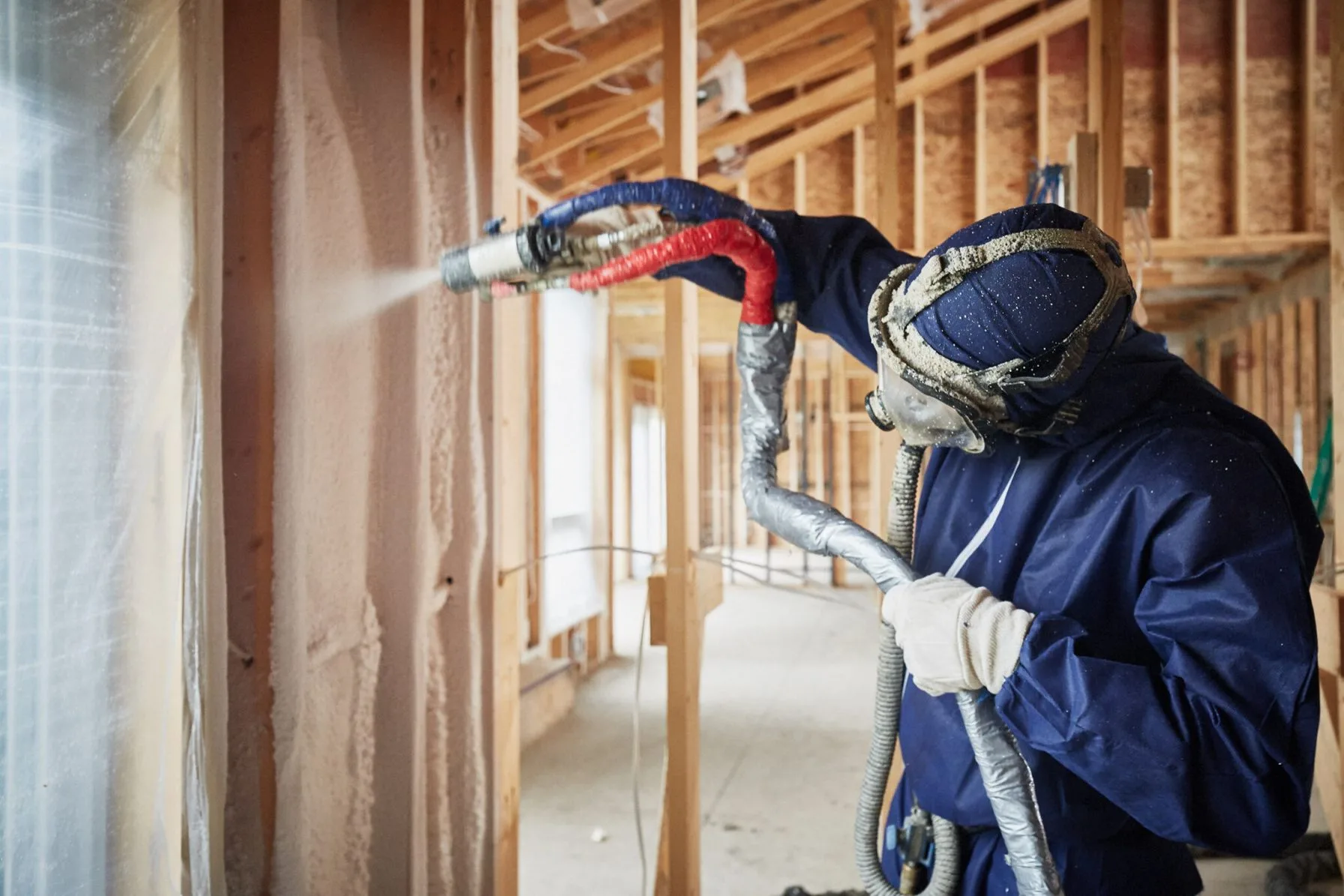
Residential spray foam insulation is safe for a home when professional contractors install it according to strict safety standards. Health problems typically occur only if the two chemical parts do not mix at the correct temperature or if residents return to the house before the foam finishes curing. When the product is applied correctly, it becomes a stable plastic that does not release harmful fumes into the living space.
This article provides a look at the safety protocols, chemical properties, and installation requirements for spray foam in the Wake Forest area. It contains information on how to identify a safe installation and what specific steps experts take to protect families during the process. Understanding these technical details helps homeowners make an informed choice for a property.
The Science of Spray Foam Safety and Off-Gassing
Spray foam consists of two liquid parts known as Side A and Side B. Side A usually contains isocyanates, while Side B contains a blend of polyols, flame retardants, and blowing agents. When these two liquids meet at the tip of a spray gun, a chemical reaction occurs that creates the expanding foam. This reaction directly determines the final stability and safety of the material once it is in place.
If the mixing ratio is off by even a small margin, the chemical reaction remains incomplete. This can lead to a lingering odor or the release of volatile organic compounds into the air. High-quality equipment and regular maintenance by the service provider prevent these issues from happening in an attic or on the walls.

Off-gassing is the natural process where the foam releases gases as it hardens. For most modern spray foam products, this process completes within 24 to 48 hours. Experts recommend that residents and pets stay away from the home during this window to ensure they do not breathe in any temporary fumes.
Common Health Concerns Linked to Improper Installation
When spray foam is not installed correctly, the primary health concerns involve respiratory irritation. People with pre-existing asthma or chemical sensitivities might experience coughing or shortness of breath if they enter a work site too early. The isocyanates in the wet foam can cause skin irritation or eye redness if someone touches the material before it dries.
A rare but serious issue is sensitization, where a person becomes highly sensitive to isocyanates after a large exposure. Once sensitized, even tiny amounts of the chemical can trigger an allergic reaction. This is why professional installers wear full-body suits and supplied-air respirators while they work on a Wake Forest home.
- Bonus Tip: Ask the contractor for a copy of the Mechanical Ventilation Requirement. Many modern homes are so airtight after spray foam installation that they need an Energy Recovery Ventilator to bring in fresh air.
Properly cured foam is solid and does not move or release dust. It is different from fiberglass, which can shed tiny shards of glass into the air. Once the initial curing period ends, the foam is generally considered one of the most stable insulation materials available on the market today.
Technical Differences Between Foam Types
The two main types of spray foam used in North Carolina homes have different physical properties and safety profiles. Closed-cell foam is much denser and acts as a vapor barrier, while open-cell foam is lighter and better for sound dampening. Both are safe when the installer manages the heat generated during the expansion process. These technical specifications directly impact how the material interacts with the indoor environment and air quality.
FeatureOpen-Cell Spray FoamClosed-Cell Spray FoamDensity0.5 lbs per cubic foot2.0 lbs per cubic footR-Value3.5 to 3.8 per inch6.0 to 7.0 per inchCure TimeRapid (seconds)Rapid (seconds)Moisture ControlBreathableVapor BarrierOff-Gassing RiskLow with ventilationLow with ventilationMarket data shows that spray foam can reduce residential energy bills by 15% or more when compared to traditional fiberglass batts. This efficiency comes from the material's ability to seal small cracks that other types of insulation cannot reach. About 40% of a home's heat loss occurs through air leaks, making the sealing property of foam a major financial advantage.
How the Wake Forest Climate Affects Insulation Performance
Wake Forest experiences high humidity and significant temperature swings throughout the year. This local climate makes moisture control a priority for any homeowner. If insulation is poorly installed, trapped moisture can lead to mold growth behind walls, which causes its own set of health problems.
Closed-cell spray foam is particularly effective in North Carolina because it prevents humid air from hitting cold surfaces inside a home. This stops condensation from forming, which protects indoor air quality by preventing mold and mildew. Professionals in the area must monitor the humidity levels on the day of installation to ensure the foam sticks properly to the wood.
- Bonus Tip: Request a thermal imaging scan after the job is done. This allows homeowners to see if there are any gaps in the insulation where heat or moisture could leak through.
Applying foam in an attic that is too hot can also cause the material to pull away from the studs. Local experts often schedule installations for the early morning during summer months to avoid the peak heat. This timing ensures the chemical reaction happens at the ideal temperature for a long-lasting bond.
What are the signs of a bad spray foam job?
People can often tell if an installation went wrong by using their senses. A fishy or chemical smell that lasts longer than a few days is a major red flag. This usually indicates that the chemicals were not mixed in the correct 1:1 ratio or that the foam was applied in layers that were too thick.
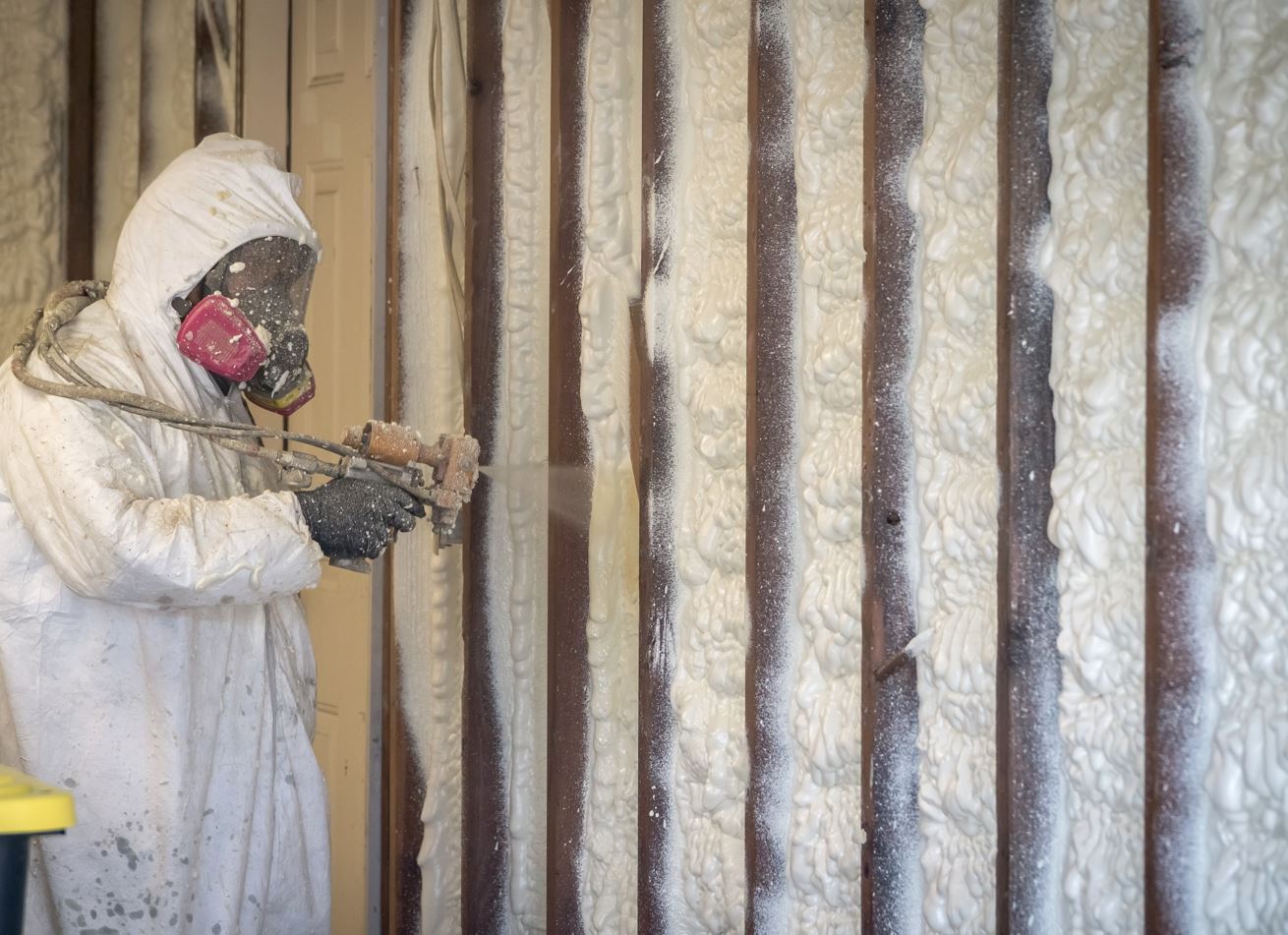
Another sign is the physical appearance of the foam. It should look consistent in color and texture. If areas appear discolored, crumbly, or soft to the touch, the material may not have cured right. These off-ratio sections are the most likely source of lingering odors and health complaints in Residential Spray Foam Insulation in Wake Forest, NC.
Market research indicates that over 90% of issues with spray foam stem from human error during application rather than the product itself. Choosing an experienced team with the right certifications is the best way to avoid these problems. Proper ventilation during the job is also a requirement that some low-cost providers might skip.
Essential Factors to Check Before Hiring a Contractor
Selecting the right company involves more than just looking at the price. Homeowners should verify that the team has specific training from the manufacturer of the foam they use. Each brand has slightly different temperature and pressure requirements that the technicians must follow.
- Check for local references in the Wake Forest area to see how the insulation has performed over several years.
- Verify that the company uses high-grade, calibrated proportioner pumps to ensure the chemical mix is always perfect.
- Ask about their ventilation plan, including how they exhaust air from the house during the spray process.
- Confirm the recommended re-entry time for the specific project so residents do not return too soon.
- Inquire about their cleanup process and how they handle any overspray or waste material.
The Importance of Professional Grade Equipment
High-end equipment is a safety feature in itself. Modern spray rigs have sensors that automatically shut down the gun if the pressure between Side A and Side B becomes uneven. This prevents poor-quality foam from ever entering the walls. Smaller or less experienced companies might use older equipment that requires manual monitoring.
A professional team also uses industrial fans to create negative pressure in the work area. This pulls fumes out of the house and away from living spaces. In Wake Forest, where houses are often built close together, professionals also take care to ensure the exhausted air does not bother neighbors.
Why Proper Curing is the Key to Home Safety
Curing is the period during which the liquid foam turns into a stable solid. During this time, the material generates heat as part of the chemical reaction. If the foam is applied too thick in a single pass, it can retain too much heat, which might lead to charring or a permanent burnt smell.
Experienced installers apply the foam in thin lifts or layers. This allows the heat to dissipate and ensures each layer cures properly. By following these industry best practices, the risk of long-term health issues is significantly lowered. The resulting airtight seal actually improves health for many by keeping out pollen, dust, and outdoor pollutants.
A Balanced View of Spray Foam in the Home
While the chemicals used in the installation process require respect and careful handling, the finished product is a high-performance material. It provides insulation and air sealing that other products cannot match. For most families in Wake Forest, the benefits of lower energy bills and a cleaner indoor environment outweigh the temporary inconvenience of the installation process.
The key to a safe experience is a combination of high-quality products and a disciplined installation team. When safety protocols and professional expertise are the priority, spray foam is a reliable and healthy choice for residential insulation. Homeowners should always feel comfortable asking a provider about their specific safety record and the chemicals they use.
Contact Local Experts for a Safe Spray Foam Installation
If people want to improve the energy efficiency of a property while maintaining a healthy environment, speaking with a specialist is the best next step. They can evaluate an attic, crawl space, or walls to determine which type of foam fits the needs. Raleigh Excel Spray Foam Insulation offers a wide range of services, including closed-cell and open-cell spray foam insulation, wall insulation, and residential spray foam insulation. Their team focuses on precision and safety for every project in the Wake Forest area. They can be reached at (919) 301-9435 or via email at [email protected] to discuss a project. They provide detailed assessments and a free quote to help residents understand the costs and benefits of upgrading a home.
Common Questions About Spray Foam Health and Safety
How long must residents stay out of a house after the foam is sprayed?
Most manufacturers recommend a 24-hour period for the chemicals to fully cure and for any odors to dissipate. Some high-occupancy sites may require 48 hours depending on the ventilation used.
Does spray foam insulation attract pests or insects?
No, spray foam is not a food source for pests like termites or rodents. Because it seals gaps, it actually makes it harder for insects to enter a home compared to loose-fill insulation.
Will the foam smell like chemicals forever?
A properly installed job will have no detectable odor after the initial curing period. If a smell persists, it usually means the foam was installed incorrectly and may need to be inspected by a professional.
Is spray foam safe for people with severe allergies?
Once cured, spray foam is inert and does not release particles. Sealing the home against outdoor allergens and moisture, it often helps people with respiratory issues breathe easier.
Can spray foam catch fire easily?
Modern spray foam contains flame retardants and is designed to be fire-resistant. It must meet specific building codes and is often covered with a thermal barrier like drywall for added safety.