Yes, crawl space spray foam insulation can increase floor durability. It reduces moisture exposure, limits temperature swings, and helps floors stay dry and stable over time. When floors sit above a sealed and insulated crawl space, they face less stress from damp air, rot, and seasonal movement.
This article explains how Crawl Space Spray Foam Insulation supports stronger floors. It also outlines when it works best and what to review before moving forward. The guidance reflects real-world field experience and current building practices.
Industry reviewers with hands-on spray foam backgrounds helped shape this content. Their input reflects what homeowners and service providers see in everyday projects.
How Crawl Space Conditions Affect Floor Durability
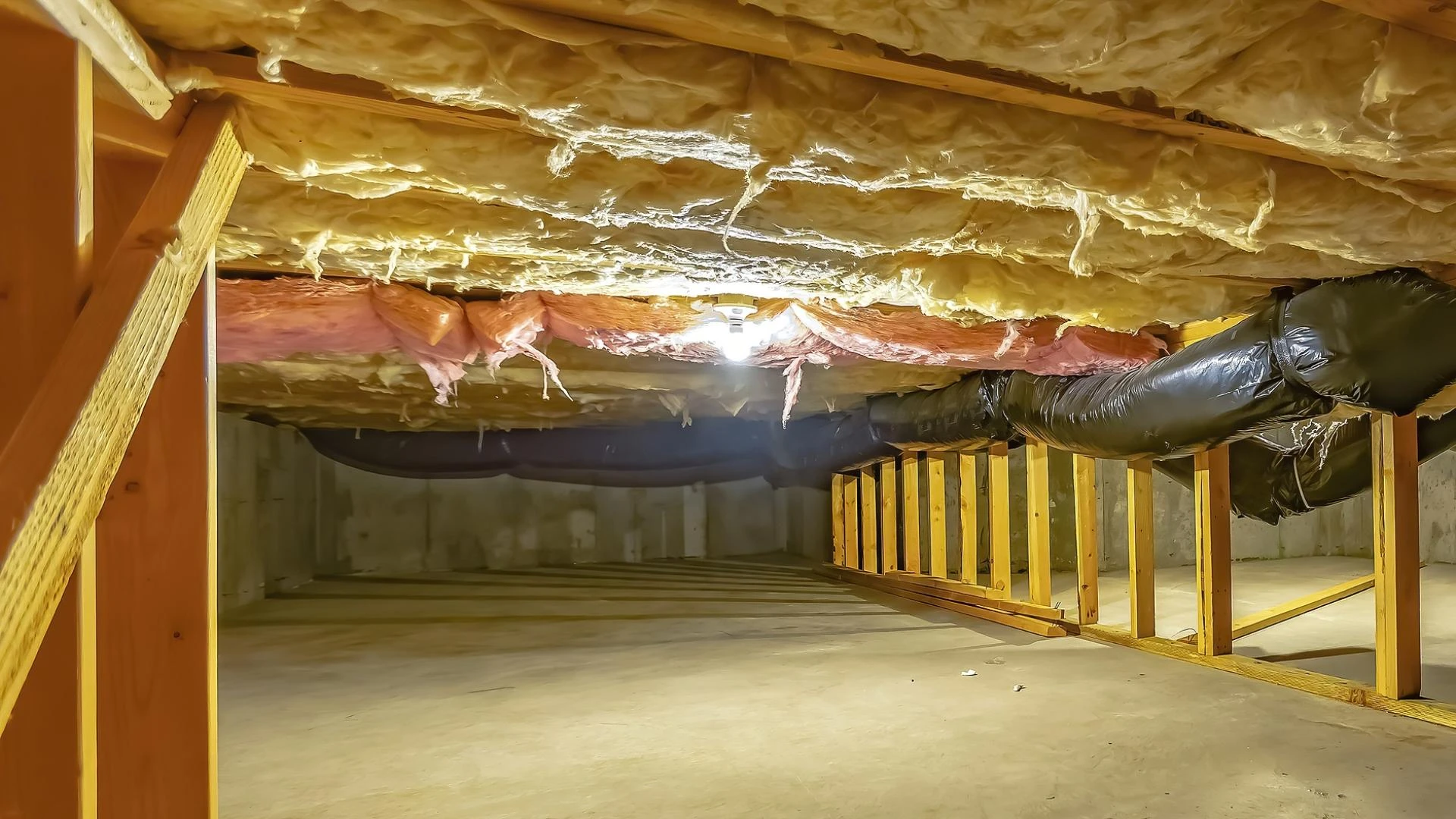
Crawl spaces sit directly below living areas. When left untreated, they allow moisture and cold air to rise into the floor system. Over time, this exposure weakens wood, fasteners, and subfloor materials.
Many homes built before modern energy codes still have vented crawl spaces. These spaces often trap humidity and outdoor air. Floors above them tend to feel cold, soft, or uneven.
Market data shows that moisture-related damage causes nearly 60 percent of crawl space structural repairs in older homes. Insulation choices play a key role in preventing these issues.
Common Floor Problems Linked to Poor Crawl Space Insulation
Several floor issues trace back to crawl space conditions. These problems usually develop slowly and worsen each year.
- Wood rot in joists and subfloors
- Warped or cupped hardwood floors
- Loose fasteners and nail pops
- Cold floors during winter months
Addressing the crawl space often resolves these symptoms without major floor replacement.
Why Crawl Space Spray Foam Insulation Makes a Difference
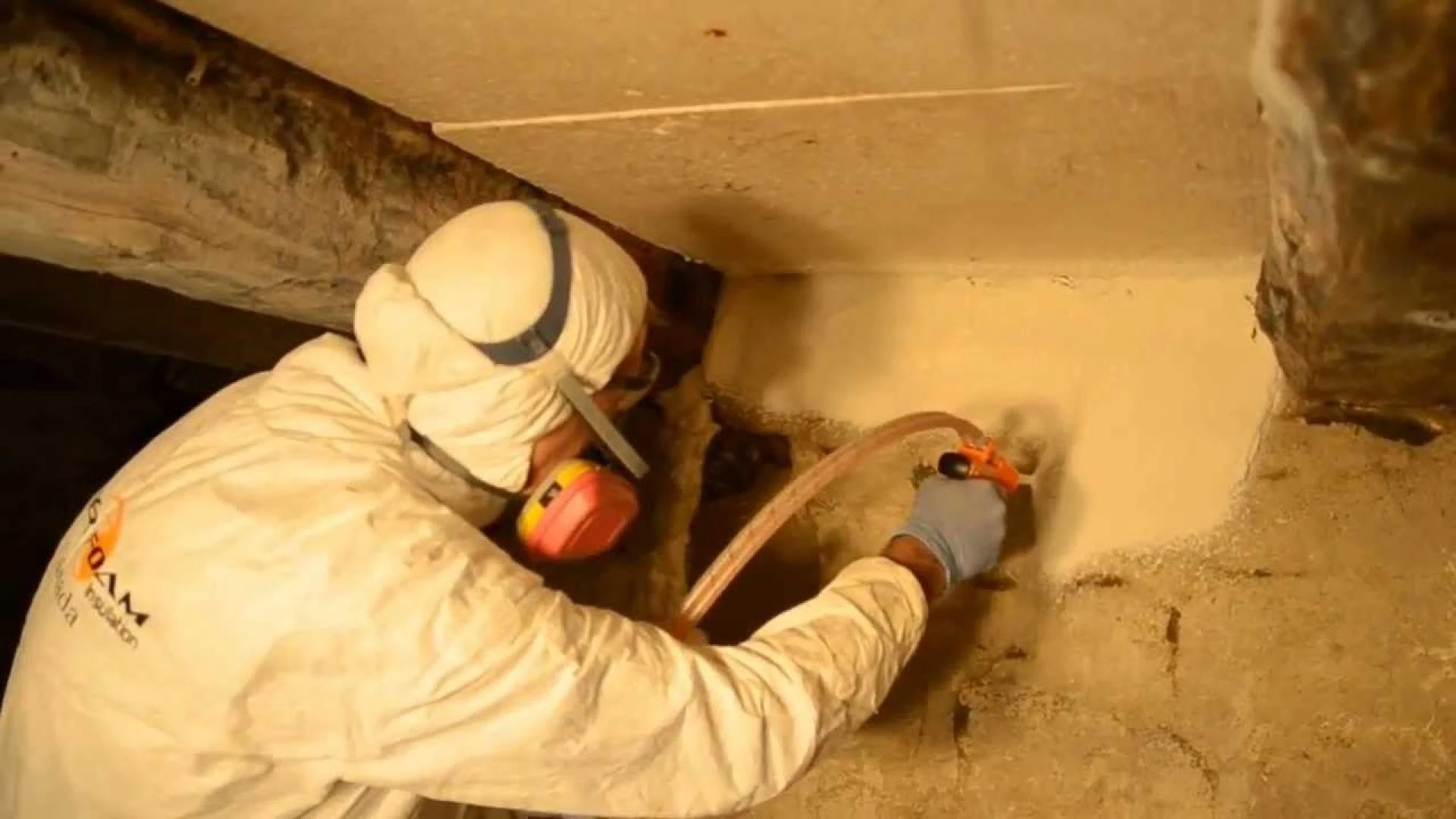
Spray foam creates an air and moisture barrier that traditional materials cannot match. Once applied, it seals gaps along walls, rim joists, and penetrations.
Crawl Space Spray Foam Insulation services focus on stopping moisture movement at the source. This helps floors stay dry and structurally sound.
Moisture Control and Structural Stability
Moisture drives most floor damage. Spray foam limits humidity by blocking outside air and ground moisture. In sealed crawl spaces, relative humidity often drops by 30 to 50 percent after installation.
Lower humidity protects wood fibers. Floors remain flat and firm, even during wet seasons.
Thermal Consistency Under the Floor
Temperature swings cause materials to expand and contract. Spray foam keeps crawl space temperatures closer to indoor levels. This reduces stress on floor assemblies.
Homes in regions with hot summers and cool winters see the greatest benefit. Floors feel more solid year-round.
Spray Foam vs Traditional Crawl Space Insulation
Different insulation types affect floors in different ways. The table below shows how spray foam compares to common alternatives.
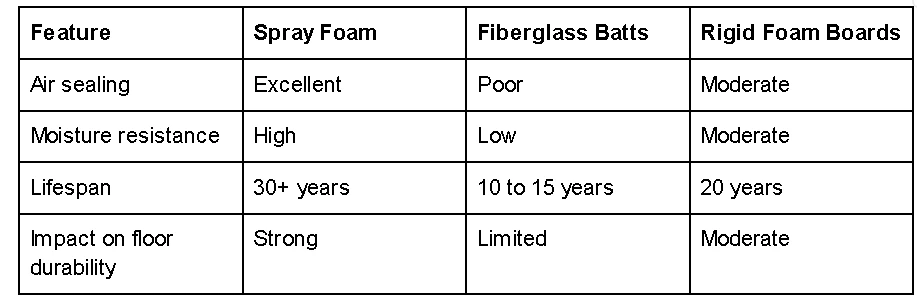
Spray foam stands out for long-term protection. This matters when floor repairs cost far more than insulation upgrades.
Role of Installation Quality and Expertise
Results depend on proper installation. Gaps, thin coverage, or missed areas reduce performance. Skilled installers follow thickness guidelines and prepare surfaces carefully.
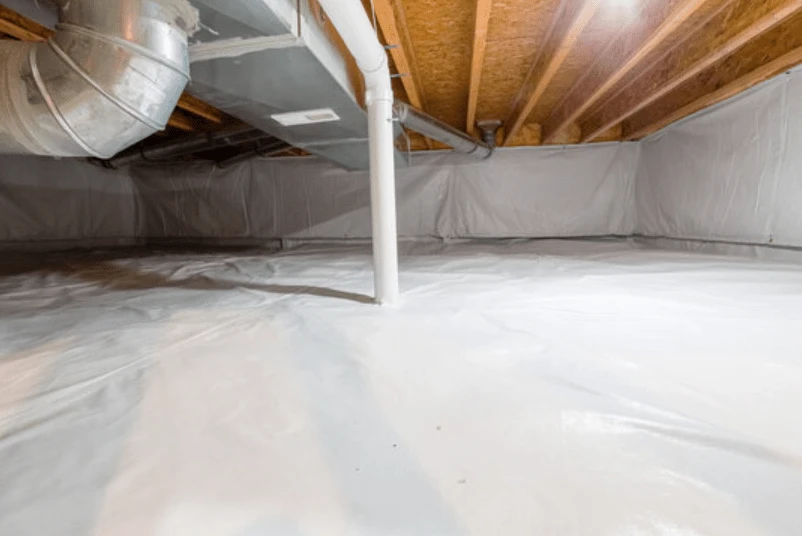
Crawl Space Spray Foam Insulation experts assess moisture sources, drainage, and existing damage before spraying. This step prevents future issues that insulation alone cannot fix.
Why Experience Matters
Experienced teams know where problems hide. They seal rim joists, sill plates, and utility openings that often go unnoticed.
Homes with complex layouts benefit the most from this attention to detail.
Bonus Tips for Better Floor Protection
Bonus Tips- Address drainage and grading before insulation work begins.
- Seal crawl space vents when converting to an encapsulated design.
- Use a vapor barrier on exposed soil for added moisture control.
Climate and Regional Considerations
Climate affects crawl space behavior. In humid regions, moisture control matters more than heat loss. In dry climates, temperature swings cause more floor movement.
In areas like Central California, seasonal moisture changes still impact crawl spaces. Homes benefit from sealed insulation that limits both damp air and heat transfer.
Local building codes often support sealed crawl spaces in these regions. This approach aligns with long-term floor durability goals.
Things to Consider Before Making a Decision
Not every home needs spray foam. Reviewing key factors helps avoid unnecessary costs.
- Existing moisture or mold issues
- Age and condition of floor framing
- Local climate patterns
- Access and crawl space height
- Long-term plans for the property
Homes with repeated floor repairs or comfort complaints often see the greatest return.
Questions People Ask About Crawl Space Spray Foam Insulation
Does spray foam stop floor sagging?
Spray foam does not fix structural sagging. It helps prevent further damage by keeping materials dry and stable.
Can spray foam trap moisture?
When installed correctly with proper sealing, it reduces moisture. Poor installation can cause issues, which is why expertise matters.
How long does spray foam last in a crawl space?
Most products last over 30 years. They resist settling and moisture breakdown.
Is spray foam safe for older homes?
Yes, when moisture and ventilation are addressed first. Older homes often benefit the most.
Will floors feel warmer after installation?
Yes. Many homeowners report warmer floors and fewer cold spots.
Key Takeaways for Homeowners
Crawl space spray foam insulation supports floor durability by controlling moisture and temperature. It reduces common causes of wood damage and floor movement. Results depend on proper assessment and skilled installation.
Homeowners should weigh current floor issues, climate factors, and long-term goals before deciding.
Next Steps for Professional Guidance
Readers seeking reliable help often look for experienced providers with regional knowledge. Crawl Space Spray Foam Insulation services offered by Supreme Spray Foam Fresno reflect practical field experience and code-aware practices.
They can be reached at [email protected] or (559) 545-0800 for more details. Their team helps homeowners evaluate crawl spaces and decide if spray foam fits their needs.
Reviewer: Emma Robinson contributed her knowledge from 8 years of working in the spray foam industry. Her review helped shape this content, grounded in what contractors and homeowners actually value.