Have you ever woken up feeling tired even after spending eight hours in bed? Do you struggle with loud snoring, morning headaches, or feeling sleepy throughout the day? These problems may be linked to sleep apnea, a condition that affects how you breathe while sleeping. Many people focus on pillows, mattresses, and sleeping positions when trying to improve their rest. However, good posture and proper breathing habits may also play an important role in overall sleep health.
Sleep apnea is more than just a sleeping problem. It can affect your energy, mood, focus, and daily activities. The good news is that several care options can help people manage this condition. Understanding body posture, airway health, and professional treatment options can be a useful first step toward better sleep.
What Is Sleep Apnea and Why Does It Affect Your Sleep?
Sleep apnea is a condition in which breathing repeatedly stops and starts during sleep. These pauses may happen many times throughout the night. As a result, the body may not get the steady airflow it needs for healthy rest.
One common type is obstructive sleep apnea (OSA). It happens when the muscles around the throat relax during sleep and partly or fully block the airway.
Some common signs include:
- Loud and frequent snoring.
- Waking up suddenly while gasping for air.
- Feeling tired even after a full night of sleep.
- Morning headaches or a dry mouth.
- Difficulty focusing during the day.
- Feeling sleepy during work or other daily activities.
- Waking up several times during the night.
These signs should not be ignored. Untreated sleep apnea can increase the risk of health problems, including high blood pressure and heart-related conditions. A healthcare professional can help identify the cause and suggest the right treatment.
Can Better Posture Help You Sleep Better?
Posture is not only important when sitting at a desk or standing during the day. The way you position your body while sleeping can also affect comfort and breathing.
For some people with obstructive sleep apnea, sleeping flat on their back may make breathing problems worse. This is because gravity can allow the tongue and soft tissues in the throat to move backward, making the airway narrower. Changing your sleeping position may help improve comfort and reduce breathing problems for certain people.
Here are some simple ways to support better sleeping posture:
- Try sleeping on your side: Side sleeping may help keep the airway more open for some people.
- Choose a supportive pillow: A comfortable pillow can help keep your head and neck in a natural position.
- Avoid excessive neck bending: Keeping your neck in a relaxed position may improve sleeping comfort.
- Maintain a healthy weight: Weight management can help reduce some factors linked to obstructive sleep apnea.
- Create a regular sleep routine: Going to bed and waking up at similar times can support better sleep habits.
Remember, good posture can support comfortable sleep, but it cannot cure sleep apnea. People with ongoing breathing problems need proper medical evaluation.
Understanding the Connection Between Neck Position and Airway Health
Your neck plays an important role in supporting your head and allowing comfortable movement. It also contains important structures involved in breathing and swallowing.
When your head moves too far forward or your neck stays in an uncomfortable position, it may create muscle tension and discomfort. This can affect your overall comfort, especially when trying to sleep. However, there is an important difference between improving neck comfort and treating an airway condition.
Good posture may support:
- Better neck and shoulder comfort.
- Reduced muscle tension.
- More comfortable sleeping positions.
- Improved body awareness.
- Easier movement during daily activities.
These benefits can support general wellness. However, correcting neck posture alone does not remove airway blockages or treat the underlying causes of sleep apnea.
Exploring Different Approaches to Sleep Apnea Care
Sleep apnea care is not the same for everyone. The right approach depends on the type of sleep apnea, its severity, and a person's overall health. A healthcare professional may recommend different treatment options based on a sleep study and medical evaluation.
Some commonly used options include:
- CPAP therapy: A continuous positive airway pressure machine uses gentle air pressure to help keep the airway open during sleep.
- Oral appliances: Special dental devices may help move the lower jaw or tongue forward to support airflow.
- Positional therapy: Some people benefit from learning to avoid sleeping on their backs.
- Weight management: Healthy lifestyle changes may help reduce symptoms in people whose weight contributes to airway narrowing.
- Medical procedures: Certain patients may benefit from surgery or other specialist treatments.
- Healthy sleep habits: Reducing alcohol before bedtime and following a regular sleep schedule may support better sleep quality.
A treatment plan should always match the person's needs. It is also important to continue prescribed treatment rather than replacing it with unproven methods.
What Is Craniofacial Release (CFR) Treatment?
Craniofacial Release, often called CFR, is an alternative technique that involves working with structures around the face and nasal passages. Practitioners describe it as a method intended to improve nasal airflow and support breathing comfort. People interested in this approach may come across the term cfr treatment for sleep apnea when researching different ways to support better breathing.
However, it is important to understand that scientific evidence supporting CFR as a treatment for sleep apnea is currently limited. It has not been established as a replacement for proven treatments such as CPAP therapy or medically recommended oral appliances.
Before considering any procedure, patients should:
- Speak with a qualified sleep specialist.
- Understand how the procedure works.
- Ask about possible risks and side effects.
- Discuss the available scientific evidence.
- Review whether the procedure is suitable for their condition.
- Continue their prescribed sleep apnea treatment unless their doctor advises otherwise.
Making informed decisions is always better than following a treatment simply because it sounds promising.
How Chiropractic Care May Support Better Sleep
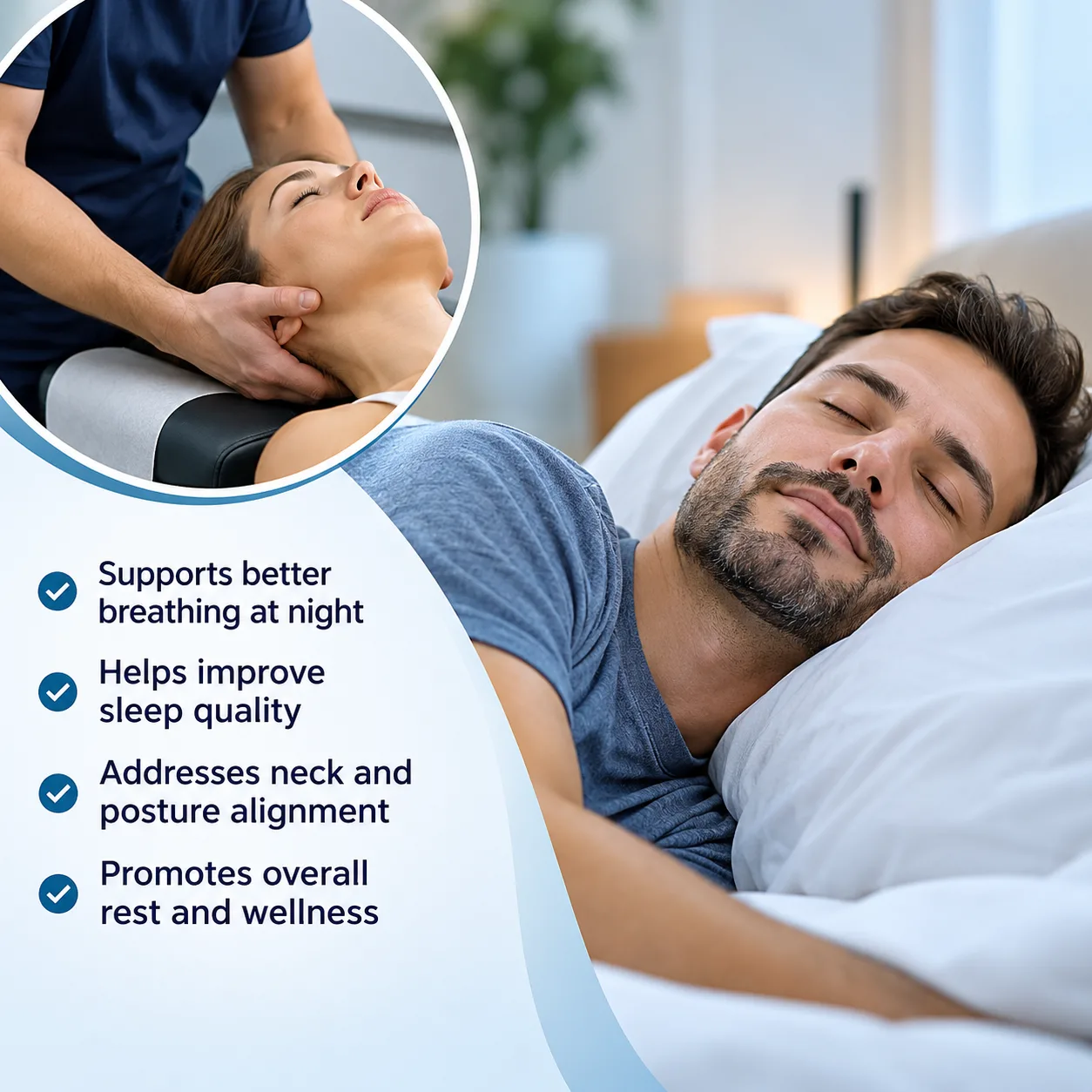
Chiropractic care mainly focuses on the spine, joints, muscles, and movement of the body. Some people explore chiropractic services to improve neck discomfort, posture, and general physical comfort. When discussing sleep health, sleep apnea chiropractic treatments may attract attention because they focus on posture, spinal movement, and physical wellness.
However, chiropractic adjustments have not been proven to open blocked airways or cure obstructive sleep apnea. A qualified chiropractor may help with certain musculoskeletal concerns, such as:
- Neck stiffness and muscle discomfort.
- Reduced spinal movement.
- Poor posture during daily activities.
- Muscle tension around the shoulders and upper back.
- General movement and flexibility concerns.
If you have sleep apnea, chiropractic care should only be considered as a possible supportive approach for physical comfort, not as a replacement for medical treatment. It is also important to tell your chiropractor about your sleep apnea diagnosis and any treatment you currently use.
Simple Lifestyle Changes That May Support Better Sleep
Sometimes, small daily changes can make a meaningful difference in sleep quality. While these habits cannot replace medical care, they can support a healthier sleep routine.
Consider adding these simple habits to your daily life:
- Follow a sleep schedule: Try to sleep and wake up at the same time every day.
- Stay physically active: Regular exercise supports general health and healthy sleep habits.
- Limit alcohol before bedtime: Alcohol can relax throat muscles and may make sleep apnea symptoms worse.
- Avoid smoking: Smoking can irritate the airways and affect breathing health.
- Choose comfortable bedding: A supportive mattress and pillow can improve sleeping comfort.
- Maintain a healthy diet: Balanced meals can support overall wellness and weight management.
- Create a relaxing bedroom: Keep your sleeping space quiet, comfortable, and dark.
Small steps can help build a healthier routine over time.
When Should You Seek Professional Help?
Snoring does not always mean someone has sleep apnea. However, loud snoring combined with breathing pauses, choking sounds, or daytime tiredness should be checked by a healthcare professional. A sleep specialist may recommend a sleep study to understand what happens while you rest. This test can help identify breathing interruptions and determine the best treatment approach.
If you already use a CPAP machine or another prescribed treatment, do not stop using it without speaking to your healthcare provider. Professional guidance helps you avoid unnecessary procedures and choose options supported by your health needs.
Final Thoughts: Make Better Sleep a Priority
Better posture, comfortable sleeping positions, and healthy daily habits can all support a more restful night. However, sleep apnea is a medical condition that needs proper attention and care.
Understanding your breathing patterns, exploring suitable treatment options, and working with qualified healthcare professionals can help you take meaningful steps toward better sleep. If you are researching cfr treatment, remember to look at the available scientific evidence and discuss your options with a sleep specialist before making a decision.