In today's competitive business environment, organizations constantly seek ways to enhance team productivity and deliver value faster. The question many leaders ask is whether investing in Agile Certified Practitioner training actually translates to measurable improvements in team performance. The answer is a resounding yes—but only when implemented correctly.
The Direct Connection Between ACP Training and Productivity
Agile Certified Practitioner ACP professionals bring proven methodologies that directly impact team efficiency. Unlike traditional project management approaches that rely on rigid planning, agile practices emphasize adaptive planning, continuous feedback, and iterative delivery. Teams led by certified practitioners typically see 25-40% improvements in delivery speed and 30% reduction in defects.
The productivity boost comes from several key areas:
Improved Collaboration and Communication
Agile Certified Practitioner training emphasizes servant leadership and team dynamics. Certified practitioners learn to facilitate better communication between team members, stakeholders, and customers. This reduces miscommunication-related delays and rework, directly impacting productivity metrics.
Streamlined Workflow Management
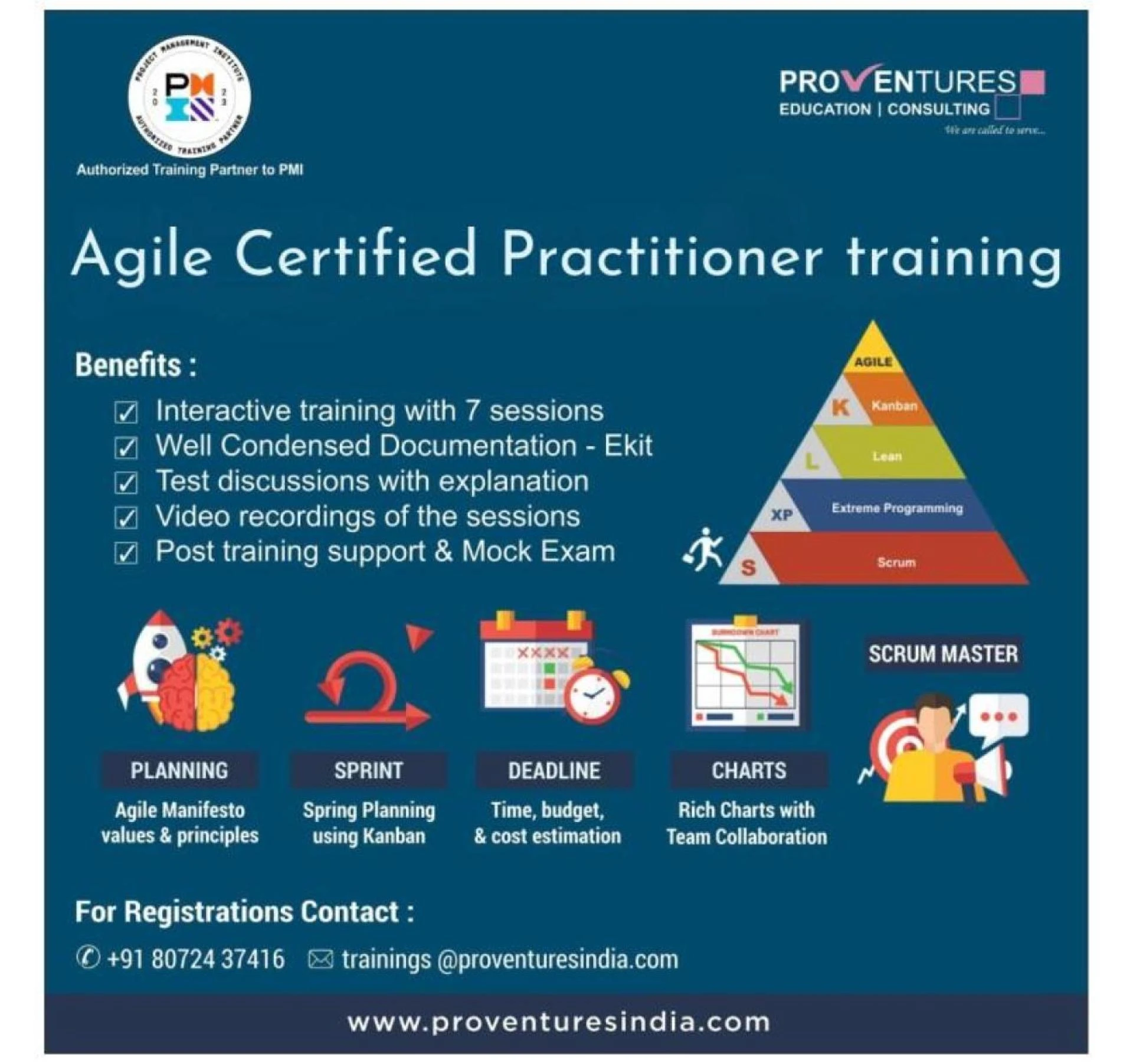
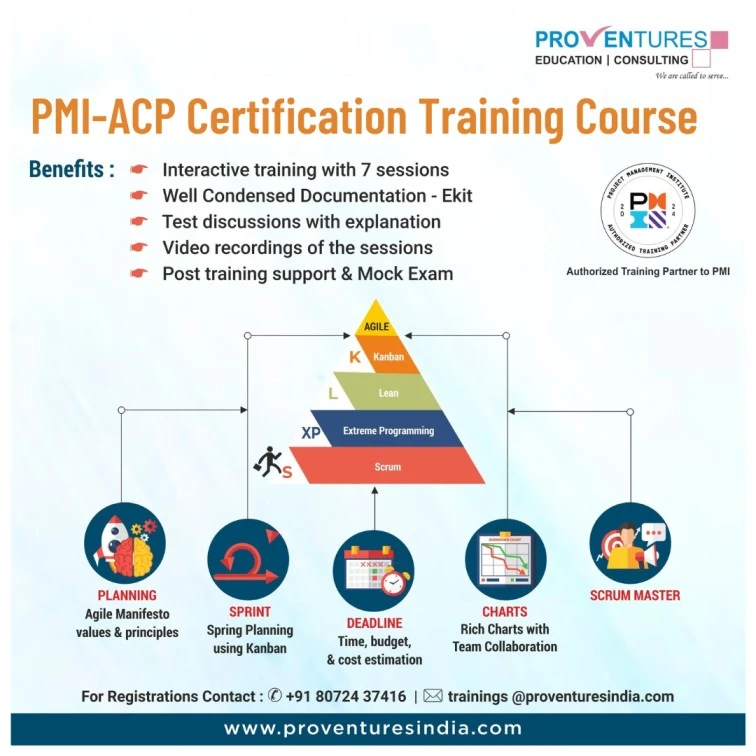
ACP-trained professionals understand multiple agile frameworks—Scrum, Kanban, Lean, and XP—allowing them to select the most appropriate approach for their team's context. This flexibility prevents teams from being stuck with ineffective processes and enables continuous workflow optimization.
Data-Driven Decision Making
A quality PMI Agile Certified Practitioner course teaches practitioners to use metrics like velocity, burndown charts, and cycle time to make informed decisions. Teams benefit from evidence-based improvements rather than guesswork, leading to sustained productivity gains.
Real-World Productivity Improvements
Organizations report specific improvements after implementing Agile Certified Practitioner ACP methodologies:
Faster Time-to-Market: Teams reduce feature delivery time by 30-50% through iterative development and continuous integration practices.
Higher Quality Output: Regular retrospectives and continuous improvement cycles result in 40% fewer post-release defects.
Enhanced Team Morale: Self-organizing teams with clear priorities and regular feedback cycles show higher engagement and productivity levels.
Better Stakeholder Satisfaction: Regular demonstrations and feedback loops ensure alignment with business objectives, reducing costly scope changes.
The Training Investment ROI
While Agile Certified Practitioner training requires upfront investment, the return is substantial. Teams typically recover training costs within 3-6 months through:
- Reduced project delays and overruns
- Improved resource utilization
- Decreased rework and technical debt
- Enhanced customer satisfaction leading to repeat business
Key Success Factors for Maximum Impact
Not all agile implementations succeed. The most productive outcomes occur when:
Leadership Support Exists: Management must embrace agile principles and provide necessary resources for transformation.
Proper Training is Provided: Comprehensive PMI Agile Certified Practitioner course programs ensure practitioners understand both theory and practical application.
Cultural Alignment Occurs: Organizations must be willing to shift from command-and-control to collaborative, trust-based cultures.
Continuous Learning is Emphasized: Agile is about continuous improvement, requiring ongoing skill development and adaptation.
Measuring Productivity Improvements
Agile Certified Practitioner ACP professionals use specific metrics to track productivity:
- Velocity trends showing team capacity improvements
- Lead time reduction demonstrating faster value delivery
- Team satisfaction scores indicating engagement levels
- Customer feedback metrics reflecting value delivered
Common Implementation Challenges
Even with certified practitioners, teams may face obstacles like resistance to change, inadequate tool support, or insufficient stakeholder engagement. However, properly trained ACP professionals know how to navigate these challenges and maintain productivity momentum.
Conclusion
Agile Certified Practitioner training can significantly improve team productivity when implemented with proper support and commitment. The combination of proven methodologies, enhanced collaboration techniques, and data-driven decision making creates measurable improvements in delivery speed, quality, and team satisfaction.
For organizations serious about transforming their team productivity through agile practices, ProVentures India offers comprehensive PMI Agile Certified Practitioner course programs designed to deliver real-world results. Their expert-led training combines theoretical knowledge with practical application, ensuring Agile Certified Practitioner ACP professionals can immediately impact team performance.
ProVentures India's approach focuses on building practitioners who understand not just agile frameworks, but how to adapt them to specific organizational contexts for maximum productivity gains. To learn how their proven Agile Certified Practitioner training methodology can transform your team's productivity, visit Proventures India.