
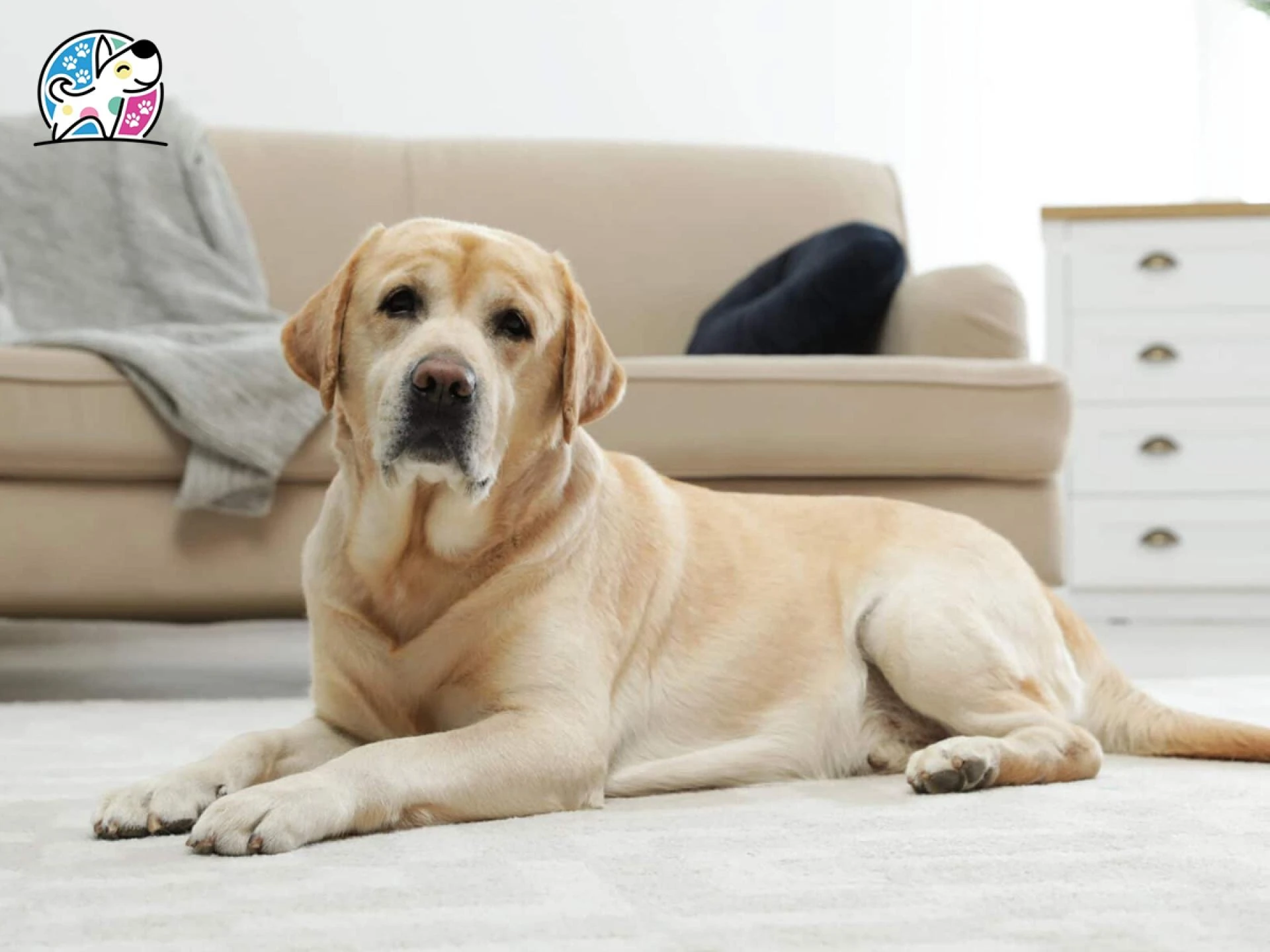
You’ve had your furry companion for months, maybe even years. You think you know them—their quirks, their moods, their every bark or meow. Then a pet sitter, and in just a couple of visits, they seem to understand your pet’s needs better than you ever could. Is it just professional experience, or do they speak a secret animal language?
This brings you to the curious question: can someone offering a professional pet sitting in Ladue really learn your pet’s “language” faster than you did?
Understanding Animal Language
Animals communicate constantly, but their “language” is a rich mix of body language, vocal tones, tail movements, and even eye contact. Most pet parents interpret these signs through trial and error. However, pet sitters, especially those with years of daily hands-on experience, often decode these cues faster. They’ve observed countless animals of different breeds, ages, and temperaments, so they walk in with a mental “dictionary” of pet expressions already in hand.
Experience Is the Real Translator
A professional sitter isn’t just reacting—they’re reading, analyzing, and adapting. Many, like those offering dog walker in Chesterfield services, are trained to assess subtle changes in posture, pacing, or appetite to determine if something's off. Your pet might tilt their head a certain way or whine at a pitch you never thought twice about, but an experienced sitter recognizes it as a call for attention, water, or maybe even anxiety.
Regular Daily Exposure Establishes Fluency
Compare it to learning a new language. The more exposure you get, the quicker you pick it up. A sitter who walks five dogs a day and checks on cats in the evenings is getting a full crash course in “Pet Speak” daily. You, on the other hand, might only spend evenings and weekends tuning in. Just like how someone living in Spain learns Spanish faster than someone using Duolingo once a week, pet sitters gain fluency fast.
Trust and Understanding
Communication leads to trust, and your pet gets comfortable when they know they are safe. A regular sitter who uses consistent tones and routines establishes that trust quickly. This trust leads pets to communicate more freely, giving the sitter even more to observe and learn from. Those involved in dog walking in Kirkwood often talk about how pets go from cautious to playful in just a few visits, simply because of consistency.
What Makes Sitters Especially Attuned?
Empathy is a huge factor. Pet sitters often have a deep emotional sensitivity toward animals. They’re not just checking boxes; they’re listening with intention. Add to that the years of observing different behaviors and their outcomes, and they start to see patterns faster than a typical pet owner would.
Also, pet sitters aren’t distracted. They’re not folding laundry or taking work calls while your dog paces at the door. Their focus is on your pet entirely. That undivided attention makes them better observers.
Case in Point: The Cat That Never Cuddled
Let’s say your cat hides under the bed every time someone visits. But then, after a week with a sitter, they’re cuddling on the couch. It’s not magic—it’s quiet observation. Maybe the sitter noticed your cat only approaches when approached from the left, or that she responds well to a soft whistle. These small behavioral clues get noticed and adapted to quickly by trained eyes.
Of course, you could do the same, but pet sitters do this professionally and frequently, which accelerates their ability to catch on.
Why This Matters for Pet Parents?
Understanding this doesn’t mean you love your pet less or are missing out on a bond. In fact, you can use the sitter’s observations to deepen your own connection with your pet. It becomes a collaborative effort! And the best part? When you need help with vacation, long work days, or an emergency, having someone who knows your animal as well as or even better than you is a nice feeling.
Conclusion
So, can a pet sitter truly learn your pet’s language faster than you did? The answer is—surprisingly often—yes. That's good. It speaks to their training, dedication, and daily practice with animal behavior. Their fast-track fluency in pet communication becomes a bridge—not a barrier—to your bond with your beloved furry friend.
Whether you’re looking for a trustworthy dog walker or an attentive person for a pet sitting in Ladue, choosing someone fluent in "pet speak" might just be the best gift you can give your animal companion.
Because in the end, it’s not about who understands first—it’s about making sure your pet is always understood.