Rust is the sworn enemy of metal, silently eating away at its strength and appearance. For years, industries and restorers alike have sought more effective, precise, and safe methods to eliminate rust and other contaminants from metal surfaces. Enter the laser cleaner machine, a revolutionary solution that has not only disrupted traditional cleaning techniques but also set new standards in terms of efficiency, precision, and environmental safety.
But here's the big question—can it actually remove rust without harming the underlying metal? The short answer: yes. The long answer requires a deeper dive into the technology, the science behind it, and how it’s being applied across various sectors today.
What Is a Laser Cleaner Machine?
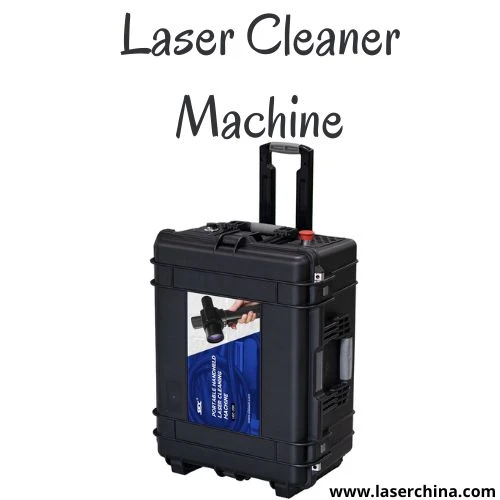
A laser cleaner machine is an advanced tool that utilizes high-energy laser beams to remove contaminants, rust, paint, oxides, or residues from metal and other surfaces. Unlike abrasive blasting or chemical cleaning, the laser cleaner uses a focused beam of light that vaporizes or lifts off the unwanted layer without any physical contact or harsh chemicals.
This type of cleaning falls under a broader category known as laser ablation—a process where the laser energy is absorbed by the contaminants on the surface, causing them to heat up and break down. The key lies in the fact that the contaminants, like rust or paint, absorb the laser energy differently than the underlying metal. That’s what allows the laser to remove only the undesired layer while leaving the substrate intact.
Why the Laser Cleaner Machine Stands Out in Modern Cleaning Applications
One of the main reasons the laser cleaner machine has gained traction is its non-invasive nature. Traditional rust removal methods such as sandblasting or chemical dipping often risk damaging the surface or leave behind residues. In contrast, laser cleaning is contactless, controlled, and highly precise.
From a practical standpoint, the laser cleaner machine can be used in everything from historical artifact restoration to heavy industrial maintenance. Its portability (especially in handheld models), low maintenance, and environmental friendliness make it a strong choice for businesses and individuals alike.
But the most impressive aspect is its ability to differentiate between rust and base metal—a technical achievement that allows it to strip away corrosion without eating into the structural integrity of the material.
How Does the Laser Cleaner Machine Avoid Damaging the Base Metal?
This ability largely comes down to three interdependent factors:
1. Selective Absorption
Rust (iron oxide) and base metals like steel or iron have different optical and thermal properties. When the laser beam strikes the surface, the rust absorbs the laser’s energy and is vaporized or ejected in the form of dust or gas. Meanwhile, the underlying clean metal reflects most of the energy, which means it doesn’t heat up enough to melt or get damaged.
2. Precision Control
Modern laser cleaner machines allow for extremely precise control over parameters like power, pulse duration, and frequency. These variables can be adjusted to suit the specific type of material and contamination. Operators can fine-tune the machine to ensure that only the unwanted layer is removed.
3. Pulsed Laser Technology
Most laser cleaner machines designed for delicate work use pulsed lasers instead of continuous wave lasers. Pulsed lasers emit energy in short bursts, giving the surface time to cool between each pulse. This prevents overheating and thermal distortion of the base material.
Common Applications That Prove the Machine’s Efficacy
- Aerospace Industry
Aircraft parts require cleaning that is both effective and non-damaging. A laser cleaner machine is often used to strip paint or remove corrosion from aluminum components without compromising their aerodynamic properties.
- Automotive Restoration
Classic car restorers use laser cleaners to remove rust from body panels and frames, especially in areas where sandblasting would cause warping or thinning of the metal.
- Historical Artifact Preservation
Museums and conservators rely on this technology to clean bronze statues, iron tools, and other archaeological finds. The gentleness of the cleaning process ensures that the historical integrity remains intact.
- Oil and Gas Sector
Pipelines, valves, and other metallic equipment used in the field often suffer from rust. A laser cleaner machine can be brought on-site and used to clean parts without the risk of chemical contamination or physical wear.
Environmental and Safety Considerations
Unlike solvents and abrasive media, laser cleaning doesn’t produce secondary waste. The byproduct is usually a dust cloud that can be safely captured using proper ventilation systems. This makes the process not only efficient but environmentally sustainable.
From a safety standpoint, the machines are equipped with multiple safety layers, including beam containment, protective enclosures, and operator training requirements. These precautions ensure that the use of the machine does not pose a hazard when used correctly.
Economic Impact for Businesses
Adopting a laser cleaner machine may seem like a large upfront investment, but many companies discover that it pays for itself over time. Traditional cleaning methods require consumables—sand, chemicals, water—which add up. There’s also the cost of labor, waste disposal, and machine downtime. Laser cleaning, being dry and chemical-free, eliminates many of these expenses.
The precision of the machine also reduces the chances of needing costly rework or repairs due to damage during the cleaning process. Moreover, because the machine can be used repeatedly across various applications, it offers long-term utility that justifies its cost.
Why the Laser Cleaner Machine Is Becoming a Must-Have
The momentum behind laser cleaning is undeniable. As industries continue to prioritize environmental compliance, efficiency, and asset longevity, the laser cleaner machine stands out as a smart, forward-looking investment.
Its adaptability means it’s no longer limited to high-tech industries. Small manufacturing workshops, antique collectors, even shipyard maintenance crews are adopting this technology. It’s not just about removing rust—it’s about preserving what lies beneath, extending the life of equipment, and doing it all without mess or damage.
Real-World Testimonies and Results
Let’s look at a few examples:
- A vintage motorcycle restoration shop replaced its sandblasting setup with a laser cleaner machine. Not only did the operators find the process cleaner and safer, but they also reported a 20% reduction in preparation time for painting and coating due to the smoother surface left behind.
- An energy company in Texas deployed laser cleaning units for turbine blade maintenance. They reported fewer blade failures post-maintenance, attributing the improvement to the non-invasive nature of laser cleaning.
- A naval base began using portable laser cleaner machines for corrosion control on naval vessels. The team was able to work in tighter quarters and reduce chemical usage onboard, contributing to overall operational safety.
Final Thoughts
So, can a laser cleaner machine remove rust without damaging the metal underneath? Absolutely. This technology is engineered precisely for such tasks. It works by targeting the unwanted layers—like rust, paint, or oil—without affecting the integrity of the original material. That’s what makes it a transformative tool in modern cleaning applications.
Whether you're restoring vintage vehicles, maintaining industrial machinery, or preserving heritage artifacts, the laser cleaner machine offers an effective, safe, and future-ready solution. It's not just a cleaning tool—it's a preservation device that respects the material beneath while erasing the wear of time above.
Looking to invest in a tool that sets you apart and delivers outstanding cleaning precision? The laser cleaner machine could be exactly what your operation needs.