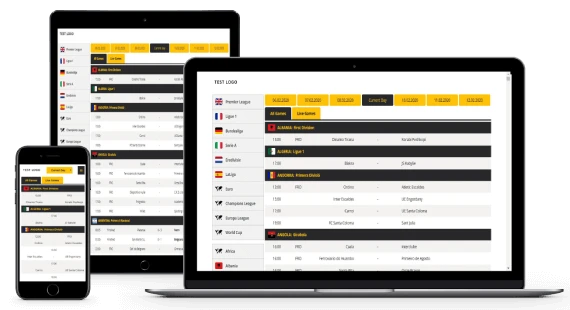
In this guest blog, we will discuss Basketball Stats API, Sports Statistics API, and Sports Data APIs, and explore whether a Basketball Stats API can help predict game outcomes, as well as other related topics.
What is a Basketball Stats API?
To understand the idea simply, let’s break it down:
- Stats refer to numbers and information, such as points scored, rebounds, assists, and turnovers.
- API stands for Application Programming Interface. It is like a digital bridge that allows apps, websites, or software to get live or stored data from another source.
A Basketball Stats API is a tool that provides access to basketball-related statistics in real-time or from past games. It can provide details about:
- Player performance (points, rebounds, steals, assists)
- Team stats (wins, losses, shooting percentage)
- Game details (scores, fouls, time remaining)
Instead of searching for data manually, an API collects and delivers it instantly in a format that apps, websites, or analysts can use.
What is a Sports Statistics API?
A Sports Statistics API is a broader version of the Basketball Stats API. While the basketball one focuses solely on that sport, a sports statistics API covers many other sports, such as football, cricket, baseball, and tennis.
For basketball fans, the primary focus is on how these APIs can simplify tracking key statistics.
The Role of Artificial Intelligence and APIs
On their own, APIs provide raw numbers. But when combined with artificial intelligence or machine learning models, these numbers can be used to create predictions.
For example:
- An AI system can take thousands of past games from a Basketball Stats API.
- It examines how specific statistics (such as rebounds or turnovers) impact the final score.
- It then applies this knowledge to current games to predict possible winners.
This doesn’t guarantee perfect predictions, but it increases accuracy compared to guessing without data.
Benefits of Using a Basketball Stats API
Here are some simple ways in which these APIs are useful:
- For Fans: Fans enjoy checking stats and making their own predictions.
- For Coaches: Coaches analyze stats to prepare strategies against other teams.
- For Fantasy Leagues: Fantasy sports apps use APIs to show real-time points.
- For Analysts: Analysts rely on APIs to write reports, discuss trends, and forecast results.
- For Developers: App and website developers use APIs to provide live score updates.
Example of Prediction With Stats
Imagine two teams are playing tomorrow:
- Team A averages 110 points per game.
- Team B averages only 95 points per game.
- Team A wins 80% of its home games.
- Team B loses most of its away games.
By using a Sports Statistics API, analysts can see these numbers. From this data, Team A is more likely to win.
But on game day, if Team A’s top player is injured, the prediction could change. This illustrates why APIs are powerful tools, but not infallible fortune tellers.
Why Sports Data APIs Are the Future
As sports become more digital, data is becoming as important as the game itself. Fans don’t just want to watch—they want to analyze, discuss, and predict. APIs make this possible.
Some future uses could be:
- Apps that suggest which team will win based on stats.
- Wearables that send player health and energy data directly to APIs.
- More advanced prediction systems combining live stats with AI.
Work-Life of a Fan with APIs
Think of a fan using a Basketball Stats API through a sports app:
- Before the game: The fan checks predictions, recent form, and head-to-head records.
- During the game, the fan tracks live updates every second.
- After the game, the fan compares the predicted outcome with the real result.
This experience makes following basketball more fun and interactive.
How Do Sports Data APIs Work?
Sports Data APIs are like pipelines. They collect numbers from official scorekeepers, sports leagues, or advanced tracking systems. Then, they make this data available to apps, websites, or sports software.
For example, when you open a live score app and see that your favorite team is leading by 5 points, that information may have been delivered by a sports data API.
Using a Basketball Stats API to Predict Outcomes
Now let’s come to the big question—can we use a Basketball Stats API to predict who will win a game?
The answer is: Yes, to some extent. Here’s why:
1. Player Performance Data
A good API shows how each player performs across games. If a star player usually scores 25 points per game but has been struggling in recent matches, that could affect the team’s chances.
2. Team Trends
By checking a team’s shooting percentage, turnovers, and defensive records, analysts can see if the team is likely to perform well in the next game.
3. Head-to-Head Matchups
APIs store past match results between two teams. If one team has beaten the other many times in the past, that history may influence predictions.
4. Home and Away Records
Data show that teams often perform better at home due to fan support. APIs provide home and away records, which help in making predictions.
5. Real-Time Updates
APIs provide real-time statistics during a live game. As the play progresses, analysts can keep tabs on the action and forecast which team has a better chance of winning.
The Bigger Picture
A sports statistics API is not just about predicting who wins or loses. It is about providing access to information that was previously reserved for professional analysts. Now, anyone—fans, developers, or small businesses—can use these APIs to build apps, make reports, or simply enjoy the game in a smarter way.
FAQs
Q1. What is a Basketball Stats API?
A Basketball Stats API is a tool that provides access to basketball data, including player scores, rebounds, assists, and team performance.
Q2. What is the use of a Sports Statistics API?
A Sports Statistics API provides sports data, including scores, team results, and player details, across various sports.
Q3. Can a Basketball Stats API give live scores?
Yes, many Basketball Stats APIs provide real-time game updates, including live scores and stats.
Q4. Does a Sports Data API include past game data?
Yes, most sports data APIs include both live updates and historical records of past games.