

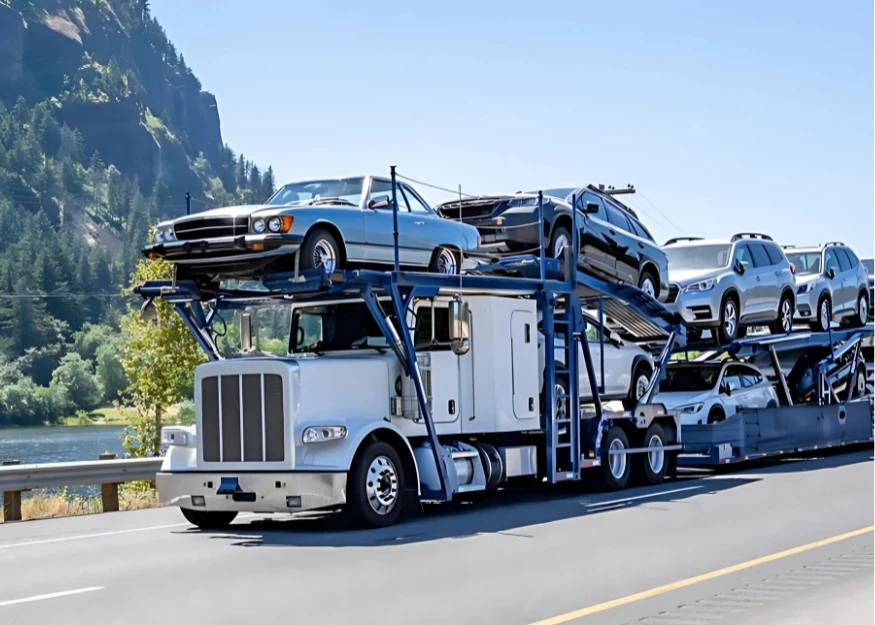
Shipping a car across the country sounds simple, but many people go into it with the wrong expectations. When it comes to California to Michigan auto transport, misunderstandings about pricing, timelines, safety, and the overall process often lead to frustration.
This guide clears up the most common myths and explains how auto transport actually works in 2026—so you can plan smartly, avoid mistakes, and ship your vehicle without stress.
Myth 1: Auto Transport Is Just Like Courier Delivery
One of the biggest misconceptions is assuming car shipping works like parcel delivery.
Reality:
Auto transport operates using pickup and delivery windows, not exact dates or times. Carriers move multiple vehicles along planned routes, which allows them to keep costs reasonable and operate safely.
Expecting same-day or hour-specific delivery is unrealistic for long routes like California to Michigan.
Myth 2: The Lowest Quote Is Always the Best Deal
Many people believe choosing the cheapest quote guarantees savings.
Reality:
Extremely low quotes often:
- Don’t attract carriers
- Lead to long pickup delays
- Result in price increases later
For California to Michigan auto transport, realistic pricing reflects fuel costs, distance, and carrier availability. Mid-range quotes are usually more reliable than bargain prices.
Myth 3: Your Car Will Be Driven Across the Country
Some first-time shippers worry their car will be driven thousands of miles.
Reality:
Your vehicle is transported on a carrier, not driven. Mileage remains unchanged except for minimal loading movement. This protects your engine, tires, and overall condition.
Myth 4: Enclosed Transport Is Always Necessary
Many people assume enclosed transport is the only safe option.
Reality:
Open auto transport is used for most vehicles shipped from California to Michigan and is very safe. Enclosed transport is best for:
- Luxury cars
- Exotic vehicles
- Classic or collector models
For standard cars, enclosed shipping is often unnecessary and adds extra cost without real benefit.
Myth 5: Shipping Is Riskier Than Driving Yourself
Some believe driving is safer because they stay in control.
Reality:
Driving 2,000+ miles exposes your car to:
- Accidents
- Weather damage
- Mechanical wear
- Unexpected breakdowns
Professional auto transport reduces these risks by securing the vehicle and using experienced drivers who follow safety regulations.
Myth 6: Delivery Should Happen Exactly on the Promised Day
Customers often expect guaranteed delivery dates.
Reality:
Auto transport uses delivery windows, not fixed dates. Traffic, weather, road conditions, and unloading order can all affect timing.
This flexibility allows carriers to operate safely and efficiently, which ultimately protects your vehicle.
Myth 7: Personal Items Are Allowed Inside the Car
Many people try to pack belongings inside their vehicle.
Reality:
Most carriers:
- Do not allow personal items
- Are not insured for household goods
- May refuse pickup if items are present
Shipping your car is not the same as moving your belongings.
Myth 8: Insurance Coverage Is Optional or Unclear
Some believe auto transport insurance is minimal or optional.
Reality:
Professional carriers include insurance coverage as part of the shipment. However, coverage limits vary.
You should always:
- Ask about coverage limits
- Understand the claims process
- Review inspection reports
Clear documentation protects you.
Myth 9: Winter Shipping Is Always a Bad Idea
Many people avoid winter shipping entirely.
Reality:
California to Michigan auto transport can be safely completed in winter. While weather may cause minor delays, carriers adjust routes and schedules for safety.
In some cases, winter shipping can even be more affordable due to lower demand.
Myth 10: Auto Transport Is Only for Relocations
Some think shipping is only for people moving homes.
Reality:
People use California to Michigan auto transport for:
- Online car purchases
- College moves
- Seasonal relocations
- Military transfers
- Fleet and dealership transfers
It’s a practical option beyond just moving homes.
What California to Michigan Auto Transport Actually Looks Like
Here’s what a realistic process includes:
- Pickup scheduled within a window
- Vehicle inspection at pickup
- Secure loading onto a carrier
- 7–10 days average transit time
- Delivery inspection and handover
From booking to delivery, most shipments take 8–14 days total.
How Much It Really Costs in 2026
Expected price ranges for California to Michigan auto transport:
- Open transport: $1,000 – $1,500
- Enclosed transport: $1,600 – $2,300
Pricing depends on vehicle size, timing, and flexibility.
How to Avoid These Common Mistakes
To ship smoothly:
- Choose realistic quotes
- Be flexible with dates
- Provide accurate vehicle details
- Remove personal items
- Understand pickup and delivery windows
These steps eliminate most problems people face.
Who Benefits Most From Auto Transport?
Auto transport is ideal for:
- Professionals relocating cross-country
- Students moving between states
- Families avoiding long drives
- Anyone wanting to protect their vehicle
If convenience and safety matter, shipping makes sense.
Final Thoughts
Most problems with California to Michigan auto transport come from misunderstanding how the industry works—not from the process itself. When you know what to expect, auto transport is safe, predictable, and efficient. By avoiding common myths and planning with realistic expectations, you can ship your vehicle across the country without stress, delays, or unnecessary costs.