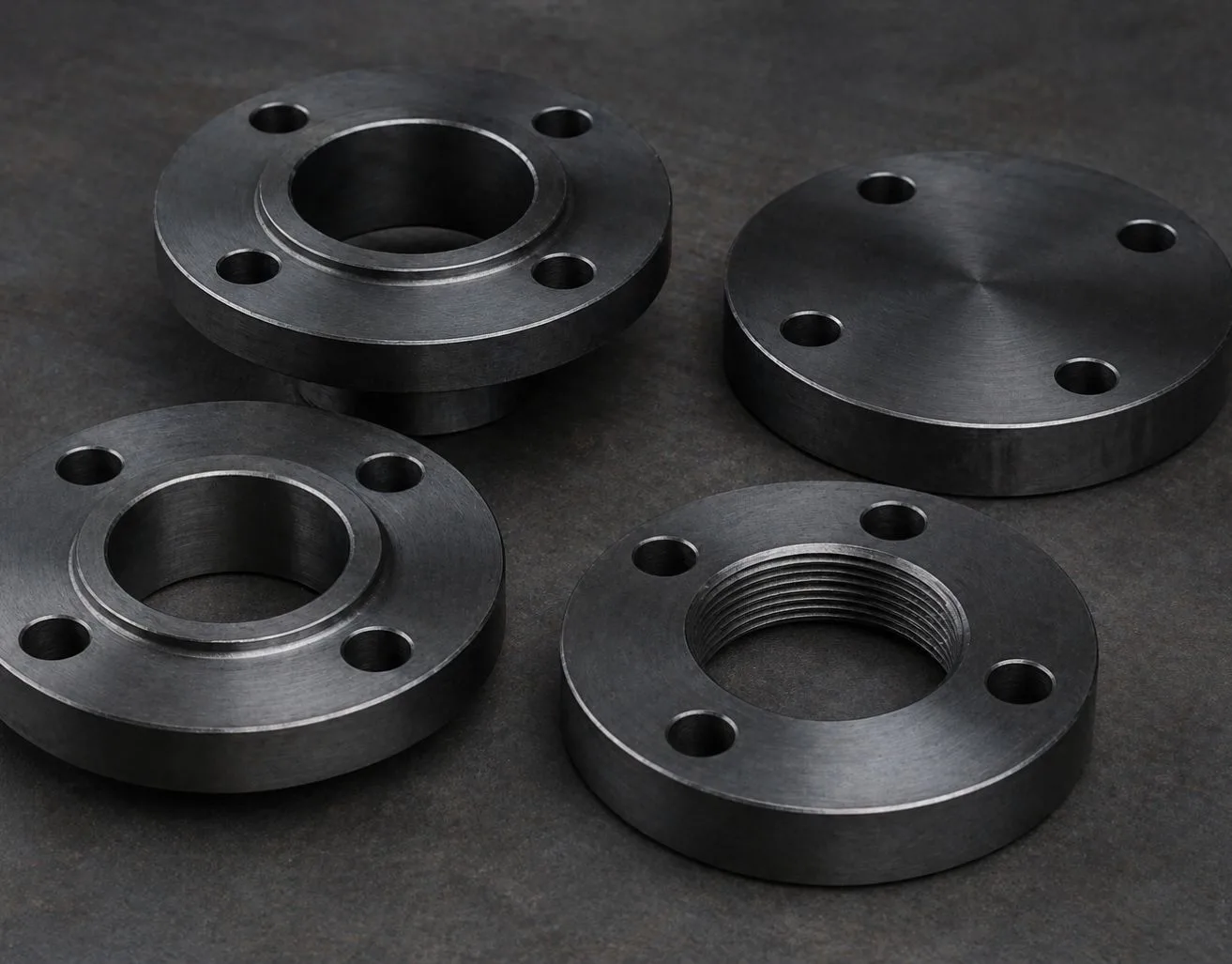
When it comes to industrial piping systems, choosing the right flange is essential for ensuring safety, durability, and long-term performance. At pipex.ai, buyers across industries search for dependable flange solutions that match both technical requirements and budget expectations. Carbon steel flanges are among the most widely used piping components because of their strength, cost-effectiveness, and ability to handle high-pressure and high-temperature applications.
Leading Carbon steel flanges manufacturers offer a wide range of flange types suitable for oil and gas, petrochemical, power plants, water treatment, and construction industries. These flanges help connect pipes, valves, pumps, and other equipment while allowing easy access for maintenance and inspection.
For buyers, understanding the different types of carbon steel flanges helps in making the right purchasing decision for better system efficiency and reliability.
What Are Carbon Steel Flanges?
Carbon steel flanges are forged or cast components used to connect piping systems securely. They create a strong mechanical joint between pipes and equipment and are usually fastened using bolts and gaskets to prevent leakage.
These flanges are made from carbon steel, which provides excellent strength, toughness, and wear resistance. Carbon steel is preferred for industrial use because it performs well under pressure and is more economical compared to stainless steel in many applications.
Buyers often prefer carbon steel flanges because they offer reliable performance in both standard and heavy-duty operating conditions.
Why Buyers Choose Carbon Steel Flanges
One of the main reasons buyers choose carbon steel flanges is their excellent strength-to-cost ratio. They are durable enough for demanding industrial environments while remaining affordable for large-scale projects.
Carbon steel flanges also offer good machinability and can be customized according to project specifications. They are available in different pressure classes, sizes, and standards such as ANSI, ASME, DIN, and BS.
Another advantage is easy installation and maintenance. Since flanged connections can be disassembled, inspection and replacement become simpler compared to welded joints.
Working with experienced Carbon steel flanges manufacturers ensures better product quality, dimensional accuracy, and compliance with international standards.
Carbon Steel Slip On Flanges
Carbon steel slip on flanges are one of the most commonly used flange types because of their easy installation and lower cost. These flanges are designed to slide over the pipe and are then welded both inside and outside to provide strength and prevent leakage.
They are ideal for low-pressure and moderate-temperature applications where high stress is not a major concern. Industries such as water supply, fire protection, and cooling systems often use them.
Many buyers look for carbon steel slip on flanges suppliers because these flanges offer a practical and economical solution for general piping systems.
Carbon Steel Blind Flanges
Carbon steel blind flanges are used to close the end of a piping system or pressure vessel opening. Unlike other flanges, they do not have a bore and are designed to block the flow completely.
These flanges are commonly used during maintenance, pressure testing, or future system expansion where temporary closure is required. They are highly suitable for high-pressure applications due to their strong sealing capability.
Carbon steel blind flanges exporters supply these flanges to industries that require secure pipeline termination and easy future access for system modifications.
Carbon Steel Socket Flanges
Carbon steel socket flanges are mainly used for small-diameter, high-pressure piping systems. In this type, the pipe is inserted into a recessed area of the flange before being fillet welded around the outside.
This design provides smooth flow and strong structural integrity, making it ideal for steam lines, hydraulic systems, and chemical processing plants.
Buyers often approach a carbon steel socket flanges dealer when they need flanges for compact systems that demand leak-proof performance and reliable strength.
Carbon Steel Threaded Flanges
Carbon steel threaded flanges are designed with internal threads that allow them to be connected to threaded pipes without welding. This makes installation faster and more convenient, especially in systems where welding may be difficult or unsafe.
They are commonly used in low-pressure systems, hazardous areas, and explosive environments where welding risks must be minimized.
Many industries rely on carbon steel threaded flanges stockist services to ensure quick availability for maintenance projects and urgent installation requirements.
How Buyers Should Select the Right Carbon Steel Flange
Choosing the right flange depends on several important factors. Buyers should first consider the pressure and temperature conditions of the application. High-pressure systems may require blind or socket flanges, while low-pressure lines can work efficiently with slip on or threaded flanges.
The pipe size and connection type also play a major role. For easier maintenance, threaded flanges may be preferred, while permanent systems may benefit from welded flange types.
Material grade, corrosion environment, and compliance with international standards should also be checked before purchase. A reliable supplier helps buyers choose the right product based on technical requirements and industry applications.
Conclusion
Carbon steel flanges are a vital part of modern piping systems, offering strength, flexibility, and cost-effective performance across multiple industries. Whether you need carbon steel slip on flanges for simple installations, carbon steel blind flanges for secure closure, carbon steel socket flanges for high-pressure systems, or carbon steel threaded flanges for weld-free connections, selecting the right type is essential for long-term efficiency. Trusted Carbon steel flanges manufacturers provide high-quality products that meet industrial demands and project specifications. For buyers, understanding the purpose and advantages of each flange type ensures smarter purchasing decisions and better operational reliability.