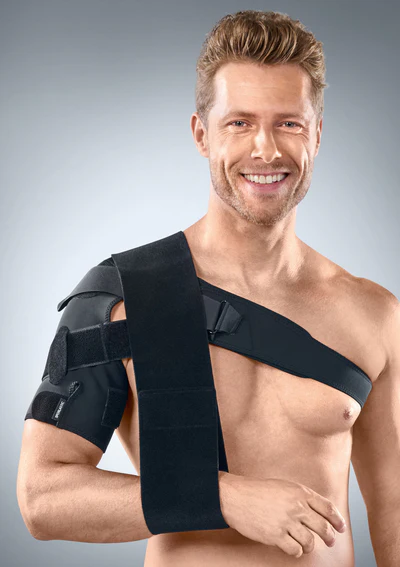
Shoulder pain, instability, and injuries can affect daily life, work performance, and physical activity. The shoulder joint is highly mobile, which makes it more prone to strain, overuse, and injury. For many people, deciding to buy shoulder braces is a practical, non-invasive way to reduce pain, support healing, and improve joint stability. This guide explains the different types of shoulder braces, their common uses, and how to choose the right one for your needs.
What Are Shoulder Braces?
Shoulder braces are orthopedic support devices designed to stabilize the shoulder joint, reduce pain, and control excessive movement. They are typically made from elastic, neoprene, or breathable fabric materials and may include straps or closures for adjustability. Shoulder braces are used for injury recovery, chronic shoulder conditions, posture support, and injury prevention during physical activities.
Types of Shoulder Braces
Understanding the types of shoulder braces available will help you make an informed decision before purchasing.
Compression Shoulder Braces
Compression braces provide mild support and gentle pressure around the shoulder. They help improve blood circulation and reduce swelling and muscle soreness. These braces are suitable for mild pain, fatigue, and everyday comfort.
Stabilizing Shoulder Braces
Stabilizing braces offer moderate support using adjustable straps and reinforced panels. They help limit excessive or harmful movement while allowing controlled motion. These braces are commonly used for sprains, strains, shoulder instability, and recovery from injury.
Immobilizing Shoulder Braces
Immobilizing braces are designed to restrict shoulder movement almost completely. They are typically recommended after surgery, severe dislocations, or fractures. These braces protect the joint during the early stages of healing.
Posture Support Shoulder Braces
Posture-focused shoulder braces help correct rounded shoulders and poor upper-body alignment. By gently pulling the shoulders back, they reduce strain on the shoulder muscles and upper back caused by long hours of sitting or standing.
Common Uses of Shoulder Braces
People buy shoulder braces for a wide range of reasons related to pain management and joint protection.
Pain Relief
Shoulder braces help relieve pain caused by muscle strain, tendon inflammation, arthritis, and overuse injuries. The added support reduces stress on the joint during movement.
Injury Recovery
During recovery, shoulder braces help maintain proper joint alignment and prevent movements that could delay healing. They are often used for rotator cuff injuries, ligament sprains, and muscle tears.
Sports and Physical Activity
Athletes involved in sports such as cricket, tennis, swimming, weightlifting, and basketball often use shoulder braces to support the joint during training and competition. Braces help reduce fatigue and lower the risk of injury.
Post-Surgical Support
After shoulder surgery, braces play a critical role in protecting the joint and supporting controlled rehabilitation.
Posture Correction
Poor posture is a common cause of shoulder discomfort. Shoulder braces designed for posture support help reduce tension and encourage healthier alignment during daily activities.
Benefits of Buying Shoulder Braces
Buying shoulder braces offers several long-term benefits. They help reduce pain without relying entirely on medication, support natural healing, improve joint stability, and lower the risk of re-injury. Many users also report improved confidence during movement and better comfort while working or exercising.
How to Choose the Right Shoulder Brace
Choosing the right shoulder brace depends on your condition and lifestyle.
First, identify the severity of your issue. Mild discomfort may only require a compression brace, while injury recovery or instability may need a stabilizing or immobilizing brace.
Next, consider the level of support you need. Braces range from light compression to rigid immobilization. Selecting the correct support level ensures effectiveness without limiting movement unnecessarily.
Fit and comfort are also essential. A properly fitted brace should feel secure but not tight. Poor fit can reduce effectiveness and cause skin irritation.
Material quality matters, especially if you plan to wear the brace for long hours. Breathable and skin-friendly fabrics improve comfort and reduce sweating.
Adjustability is another important factor. Adjustable straps allow you to customize the fit and support level throughout the day.
Finally, consider your daily activities. A flexible brace may be better for work or sports, while a structured brace is more suitable for recovery or medical use.
Medical-Grade Shoulder Braces
For advanced support and long-term use, medical-grade shoulder braces are designed using clinical expertise and ergonomic principles. Brands such as Sporlastic focus on precision fit, durable materials, and effective joint stabilization. These braces are commonly recommended by healthcare professionals for rehabilitation, chronic conditions, and post-surgical care.
Using Shoulder Braces Safely
Shoulder braces should be used as part of a broader care plan. Overuse or incorrect use can lead to muscle dependence. It is advisable to follow medical guidance, take breaks when needed, and combine brace use with strengthening or physiotherapy exercises.
Final Thoughts
If you are dealing with shoulder pain, recovering from an injury, or looking for reliable daily support, choosing to buy shoulder braces can be a smart and effective solution. The right brace can reduce discomfort, improve stability, and help protect your shoulder during everyday activities. By understanding the different types, uses, and selection criteria, you can choose a shoulder brace that supports long-term shoulder health and mobility.