When it comes to emergency preparedness, having a fully functional AED is not optional. It is critical. One of the most important components of your device is the electrode pads. If you are looking for Philips heartstart pads in California, USA, this guide will help you understand what to purchase, how to stay compliant, and how to ensure your equipment is always rescue-ready.
Across California workplaces, schools, fitness centers, construction sites, churches, and medical facilities, AED compliance is taken seriously. Replacing expired pads on time is not just about regulations. It is about saving lives.
Why AED Pads Matter in Sudden Cardiac Arrest Situations
Automated External Defibrillators work by delivering a controlled electric shock to restore normal heart rhythm during sudden cardiac arrest. However, the device cannot function without properly attached electrode pads.
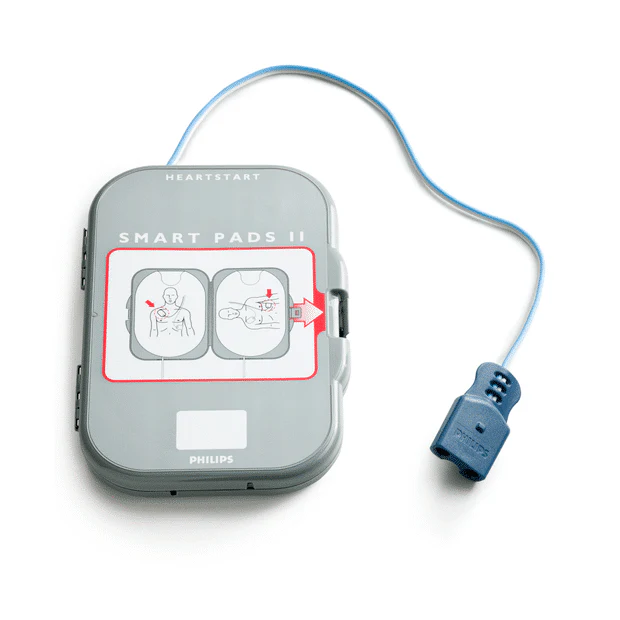
Philips HeartStart pads:
- Detect heart rhythm
- Deliver life-saving shock therapy
- Provide voice-guided instructions
- Ensure proper energy transfer
Over time, pads expire due to gel degradation. Using expired pads can reduce effectiveness and increase risk during an emergency. That is why organizations across California routinely search for Philips heartstart pads from trusted providers.
Understanding Philips HeartStart AED Pad Types
Before placing an order, it is important to know which pads match your AED model.
Philips HeartStart OnSite Pads
These are designed for the Philips HeartStart OnSite AED. They are easy to install and come pre-connected for fast deployment.
Philips HeartStart FRx Pads
Compatible with the FRx AED model, these pads are commonly used in:
- Schools
- Corporate offices
- Public venues
- Government facilities
Adult vs Pediatric Pads
- Adult pads are standard for individuals over 55 pounds.
- Pediatric pads are required for infants and young children.
California schools and childcare centers often keep both in stock for full compliance.
California AED Compliance Requirements
California law requires AED maintenance and readiness in many environments. Businesses and public facilities must:
- Inspect AED units regularly
- Replace expired pads and batteries
- Keep documentation of maintenance
- Ensure devices are accessible
Failing to replace expired electrode pads can result in non-compliance. Many facility managers proactively Buy Philips heartstart pads California, USA before expiration dates to avoid gaps in coverage.
How Often Should Philips HeartStart Pads Be Replaced?
Most Philips HeartStart pads have a shelf life of approximately two years. However, you should replace them if:
- The expiration date has passed
- Packaging is damaged
- Pads were used in a rescue
- The AED signals a pad error
Routine checks help California organizations stay emergency-ready year-round.
Where to Buy Philips HeartStart Pads in California
Choosing a reliable provider matters. You should purchase from established safety equipment suppliers that:
- Offer genuine Philips products
- Provide clear expiration dates
- Ship quickly within California
- Offer bulk pricing for facilities
- Provide customer support
Buying from trusted safety equipment suppliers ensures you avoid counterfeit or improperly stored pads.
Benefits of Buying From Authorized Safety Equipment Providers
Working with professional safety equipment suppliers offers several advantages:
Guaranteed Authenticity
You receive manufacturer-approved pads designed specifically for your AED model.
Fast California Shipping
Quick delivery ensures no downtime between expiration and replacement.
Compliance Support
Reputable safety equipment suppliers often provide guidance on regulatory requirements.
Bulk Purchase Options
Large facilities like hospitals, warehouses, and universities benefit from bulk pricing and restocking reminders.
Industries in California That Frequently Replace Philips Pads
Several sectors routinely purchase replacement AED pads:
Schools and Universities
California educational institutions must maintain AED readiness on campus.
Fitness Centers and Gyms
Cardiac events are more common during physical exertion.
Construction and Industrial Sites
High-risk environments require immediate emergency access.
Corporate Offices
Many California companies install AEDs to protect employees and visitors.
Hospitality and Retail
Public-facing businesses prioritize guest safety and liability protection.
These organizations regularly plan ahead to Philips heartstart pads before expiration dates.
Storage Tips for Philips HeartStart Pads
Proper storage extends shelf life and ensures functionality:
- Store at recommended temperatures
- Avoid humidity exposure
- Keep pads sealed until use
- Perform monthly AED checks
Extreme heat can degrade adhesive gel, especially in parts of California with high temperatures. Climate-controlled storage is ideal.
Signs It Is Time to Replace Your AED Pads
Even if you are not near expiration, look for:
- Warning lights on the AED
- Audible maintenance alerts
- Packaging tears
- Loose connectors
Proactive replacement protects your organization and ensures compliance.
Why Preparedness Matters in California
California is home to millions of residents and visitors. Public safety standards are high. Sudden cardiac arrest can happen anywhere:
- Office buildings
- Airports
- Sports arenas
- Schools
- Community centers
Preparedness is not about checking a box. It is about protecting lives. That is why many organizations prioritize timely ordering when they need to philips heartstart pads
Frequently Asked Questions (FAQs)1. How long do Philips HeartStart pads last?
Most pads have a two-year shelf life from the date of manufacture.
2. Can expired AED pads still be used?
It is not recommended. Adhesive gel degrades, which may reduce effectiveness.
3. Are Philips OnSite and FRx pads interchangeable?
No. Each AED model requires its specific compatible pads.
4. Do California businesses legally require AED maintenance?
Yes. Many facilities must maintain fully functional AED units, including replacing expired pads.
5. How should AED pads be stored?
Store in a cool, dry location within manufacturer-recommended temperature ranges.
6. What happens if AED pads are used during an emergency?
They must be replaced immediately after use.
7. Do pediatric pads expire faster than adult pads?
No. Shelf life is typically similar.
8. Can I buy Philips pads in bulk?
Yes. Many authorized suppliers offer bulk ordering options.
9. How do I check my pad expiration date?
The expiration date is printed clearly on the packaging.
10. Why buy from professional safety equipment suppliers?
They ensure authenticity, compliance support, and reliable delivery.
Final Thoughts
Emergency readiness is a responsibility every California organization should take seriously. AED pads are small components, but they play a life-saving role in cardiac emergencies. Regular inspections, proper storage, and timely replacement protect both lives and legal compliance.
If your pads are nearing expiration, now is the right time to plan ahead and Philips heartstart pads from trusted providers who understand regulatory requirements and fast statewide delivery.