
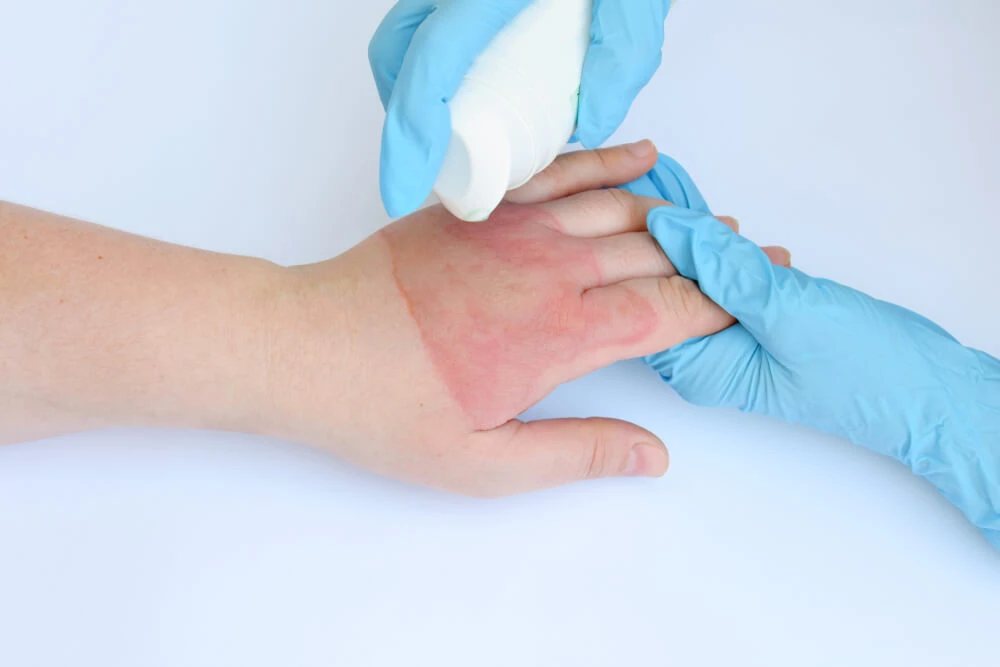
Burn injuries can happen suddenly and affect people of all ages, ranging from minor kitchen accidents to more serious injuries that require immediate medical care. At First Care Family Clinic, patients receive reliable guidance and professional support for timely Burn Treatment that focuses on safety, comfort, and long-term recovery. Understanding how burns are treated and why proper care matters can help prevent complications and support faster healing.
Understanding Burn Injuries and Their Impact
Burns occur when heat, chemicals, electricity, or radiation damage the skin or underlying tissues. While some burns heal quickly with basic care, others can cause infections, scarring, or mobility issues if not treated correctly. Early assessment and the right treatment plan play a crucial role in minimizing damage and promoting healthy skin repair.
Types of Burns and Their Severity
Burn injuries are classified based on how deeply they affect the skin. Recognizing the severity helps determine the most effective treatment approach.
- First-Degree Burns
- These burns affect only the outer layer of skin and usually cause redness, mild swelling, and pain. With prompt care, first-degree burns often heal within days without scarring.
- Second-Degree Burns
- Second-degree burns damage deeper skin layers and may cause blisters, intense pain, and swelling. Medical evaluation ensures proper wound care and reduces the risk of infection.
- Third-Degree Burns
- These severe burns affect all layers of the skin and may numb the area due to nerve damage. Immediate medical attention is essential to prevent serious complications.
Why Timely Burn Treatment Matters
Delaying burn care can lead to infection, prolonged healing, and permanent scarring. Even burns that seem minor can worsen if not treated correctly. Professional evaluation helps determine whether home care is sufficient or if advanced treatment is required.
Common Causes of Burn Injuries
Burns can happen in everyday situations. Identifying common causes helps reduce future risk.
- Thermal Burns
- Caused by hot surfaces, flames, or boiling liquids, thermal burns are the most common household injuries and often occur in kitchens or workplaces.
- Chemical Burns
- Exposure to strong acids, cleaners, or industrial chemicals can damage skin rapidly and require immediate rinsing and medical care.
- Electrical Burns
- Electrical burns may appear minor on the surface but can cause internal damage, making medical evaluation critical.
- Radiation Burns
- Prolonged sun exposure or radiation therapy can damage skin layers over time and require specialized care.
Burn Treatment Care Plans Explained
Effective Burn Treatment depends on creating a care plan based on burn severity, patient age, and overall health. Treatment plans focus on pain relief, infection prevention, and skin healing.
- Immediate First Aid Measures
- Cooling the burn with clean water, covering it with sterile dressing, and avoiding home remedies helps prevent further damage. These steps are critical before professional care begins.
- Medical Wound Care
- Cleaning, dressing changes, and topical medications reduce infection risk and promote healing. In some cases, antibiotics may be prescribed.
- Pain Management Support
- Burns can be painful, and managing discomfort improves recovery. Treatment plans often include safe pain-relief options tailored to patient needs.
Healing and Recovery Process
Burn healing time varies based on severity. Minor burns may heal within days, while deeper burns can take weeks. Consistent follow-up care ensures wounds heal properly and reduces scarring. Hydration, proper nutrition, and wound protection all contribute to successful recovery.
Preventing Burn Complications
Preventive care is just as important as treatment. Proper dressing changes, avoiding sun exposure on healing skin, and monitoring for signs of infection protect the injured area. Patients are advised to seek care if redness, swelling, or pain increases.
Long-Term Care for Burn Injuries
Some burns require long-term care to restore skin function and appearance. Scar management, physical therapy, and follow-up visits support complete recovery. Early intervention significantly improves long-term outcomes.
When to Seek Medical Attention
Any burn larger than the palm of the hand, showing signs of infection, or causing severe pain should be evaluated by a medical professional. Children, older adults, and individuals with chronic conditions require extra caution when managing burns.
Conclusion
Burn injuries can be distressing, but timely and appropriate care makes a significant difference in healing and comfort. With expert guidance and structured care plans, patients receive safe and effective Burn Treatment that addresses both immediate needs and long-term recovery. At First Care Family Clinic, compassionate care ensures patients feel supported at every stage of healing, helping them return to daily life with confidence.
FAQs
- What is the best initial Burn Treatment for minor burns?
- Cooling the area with clean water and applying a sterile dressing is recommended.
- Can all burns be treated at home?
- No, moderate to severe burns require professional medical evaluation.
- How long does burn healing usually take?
- Healing time varies from days for mild burns to weeks for severe injuries.
- What are signs of burn infection?
- Increased redness, swelling, pain, or discharge may indicate infection.
- Can burn scars be prevented?
- Early treatment and proper wound care significantly reduce scarring risk.