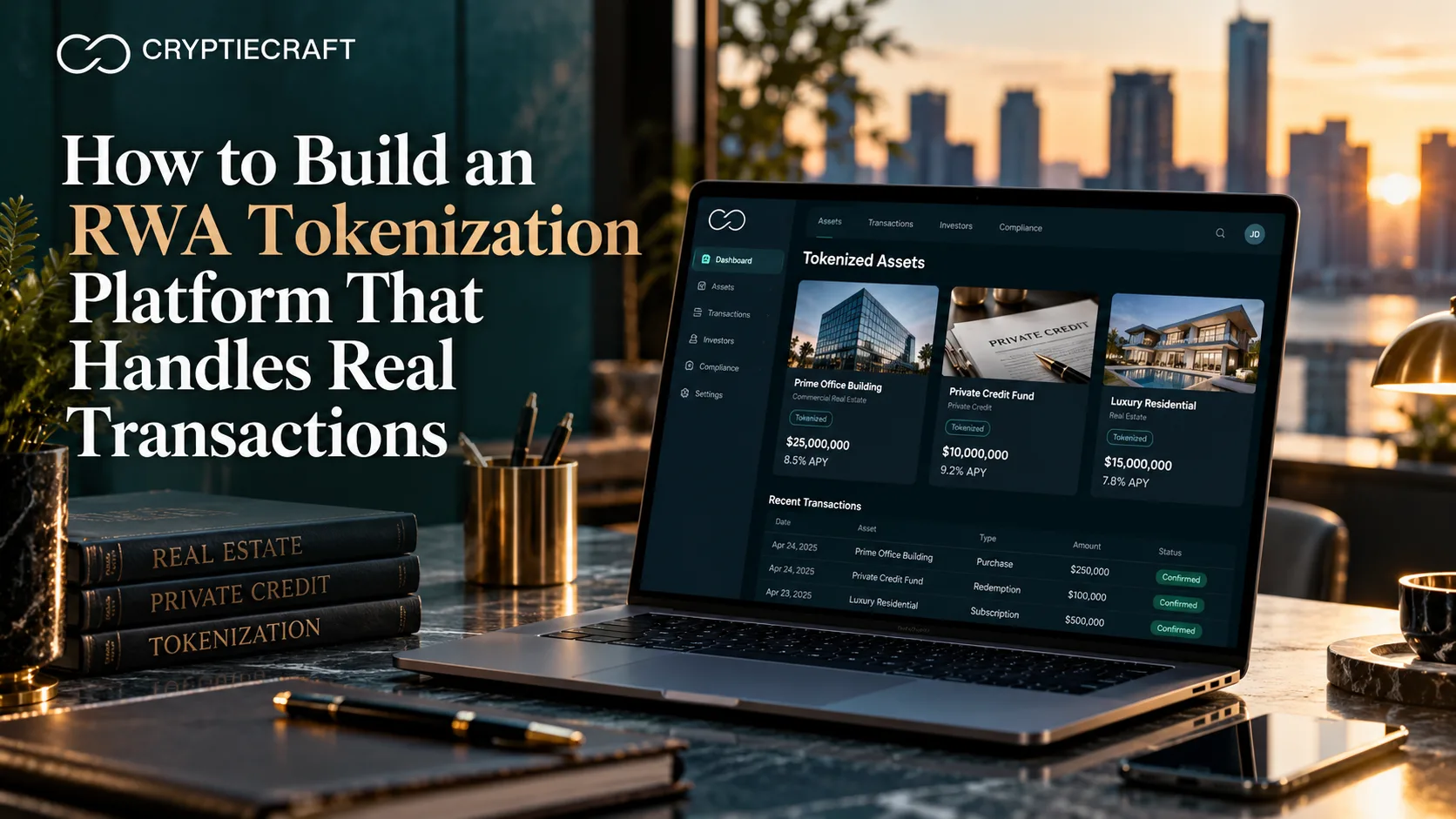
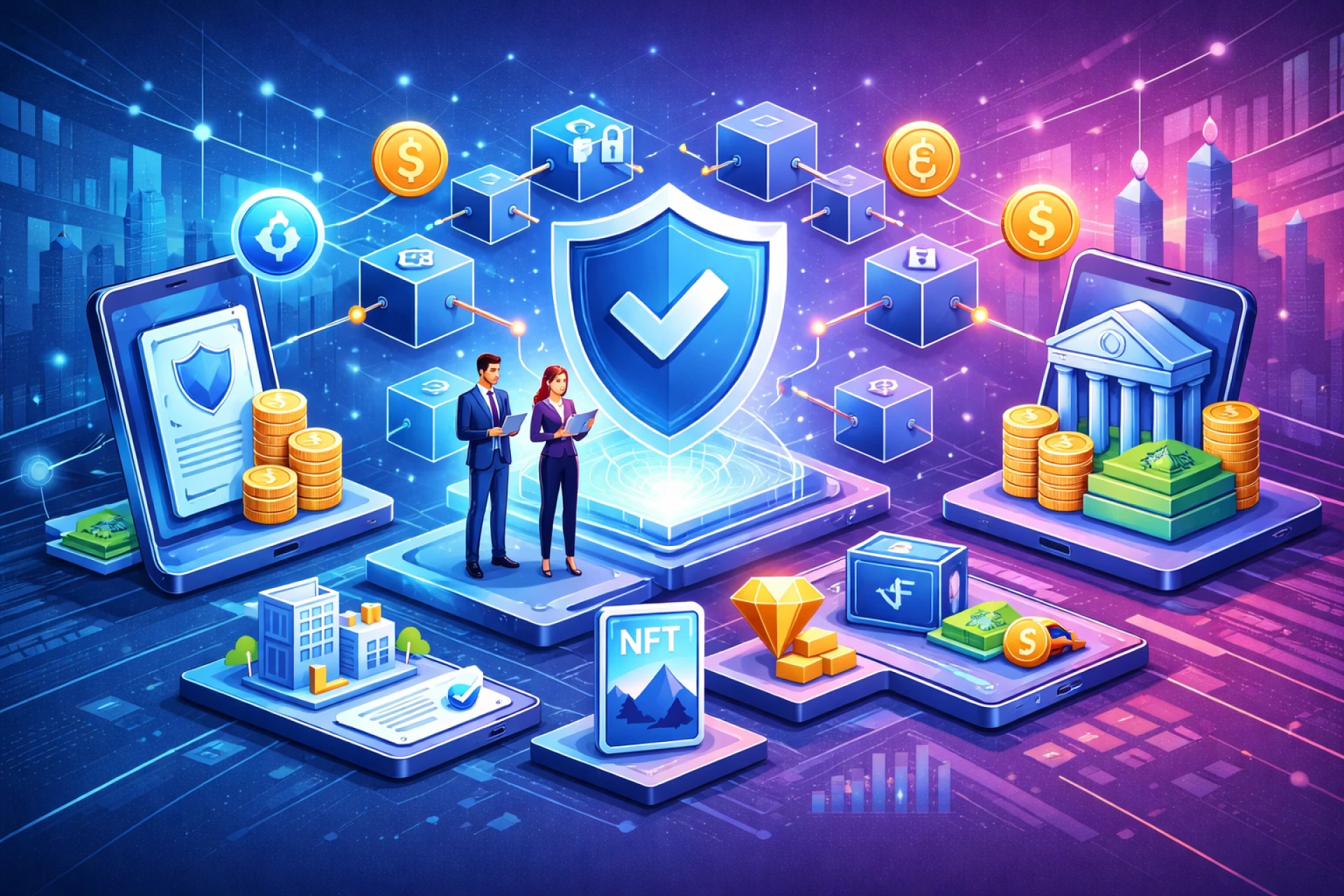
Trust has always been the foundation of financial systems, asset ownership, and market participation. From traditional stock exchanges to real estate registries and commodity markets, trust determines who participates, how capital flows, and how value is preserved over time. As markets evolve toward digital-first models, trust is no longer built through centralized intermediaries alone. It must be engineered directly into the technology itself. This shift is driving the rapid adoption of tokenized asset platform development as enterprises seek scalable, transparent, and secure frameworks for modern asset ecosystems.
Tokenization is not merely a technological trend. It represents a structural transformation in how assets are issued, managed, traded, and governed. At its core, advanced tokenized asset platform development enables trust at scale by embedding transparency, immutability, automation, and compliance directly into the infrastructure. As tokenized assets move from experimental pilots to enterprise-grade deployments, the ability to build and maintain trust across global markets becomes the defining factor for long-term success.
This article explores how advanced tokenized asset platforms are designed to establish trust at scale, why trust is the central challenge of asset tokenization, and how platform architecture, governance, security, and interoperability collectively redefine confidence in digital asset ecosystems.
Why Trust Is the Central Challenge in Asset Tokenization
Tokenized assets represent real-world or digital value in the form of blockchain-based tokens. These tokens may correspond to equities, bonds, real estate, commodities, intellectual property, carbon credits, or alternative assets. While the benefits of tokenization are well understood, including liquidity, fractional ownership, and global accessibility, trust remains the primary barrier to widespread adoption.
Traditional asset systems rely on trusted intermediaries such as banks, registrars, custodians, and regulators. These institutions act as validators of ownership, transaction legitimacy, and compliance. In contrast, tokenized asset platforms shift trust from institutions to technology. This transition introduces new questions. Who verifies asset authenticity? How is ownership protected? What ensures regulatory compliance across jurisdictions? How are disputes resolved?
Advanced tokenized asset platform development addresses these concerns by designing trust not as an assumption but as a measurable, enforceable, and auditable outcome. The platform itself becomes the trusted layer that aligns issuers, investors, regulators, and service providers within a single verifiable ecosystem.
Trust Through Transparency and Immutable Records
One of the most powerful trust-building features of tokenized asset platforms is transparency. Blockchain-based ledgers provide a shared, tamper-resistant record of transactions that can be independently verified by all authorized participants. This visibility reduces information asymmetry, which has historically undermined trust in financial markets.
Advanced platforms go beyond basic transaction visibility. They enable transparent asset lifecycle tracking, from issuance and valuation to trading, settlement, and redemption. Every action performed on a tokenized asset is recorded on an immutable ledger, creating a continuous audit trail that cannot be altered retroactively.
This level of transparency builds trust at scale by ensuring that ownership records are accurate, transaction histories are complete, and asset movements are verifiable in real time. Investors gain confidence knowing that what they see on the platform reflects the true state of the asset, not a delayed or manipulated snapshot.
Secure Asset Representation and Custody Models
Trust in tokenized assets depends heavily on the security of asset representation. Advanced tokenized asset platform development focuses on creating robust token standards and custody models that protect both digital tokens and their underlying assets.
Asset-backed tokenization requires a clear and enforceable link between the token and the real-world asset it represents. Platforms achieve this through legally structured issuance frameworks, digital asset registries, and smart contract-based ownership controls. These mechanisms ensure that token holders have legitimate and enforceable rights tied to the underlying asset.
Security is further enhanced through advanced custody solutions, including institutional-grade wallet infrastructure, multi-signature authorization, and hardware security modules. By integrating these safeguards at the platform level, tokenized asset systems reduce the risk of theft, unauthorized access, and operational failures.
As platforms scale to support thousands or millions of users, these security measures become essential for maintaining trust across a diverse and distributed participant base.
Smart Contracts as Trust Automation Engines
Smart contracts play a critical role in building trust at scale by automating rules that would otherwise require human oversight. In advanced tokenized asset platforms, smart contracts govern issuance terms, transfer restrictions, dividend distribution, voting rights, and redemption processes.
By encoding these rules directly into the platform, smart contracts eliminate ambiguity and reduce reliance on manual enforcement. Participants know that transactions will execute exactly as defined, without discretionary intervention or bias. This predictability strengthens trust, especially in cross-border environments where legal systems and enforcement mechanisms vary.
Advanced platforms also implement upgradeable and auditable smart contract architectures. This ensures that contracts can evolve in response to regulatory changes or market requirements without compromising transparency or security. The ability to adapt while maintaining verifiable execution is key to sustaining long-term trust.
Regulatory Alignment as a Trust Multiplier
Compliance is not an obstacle to tokenization. It is a cornerstone of trust. Advanced tokenized asset platform development integrates regulatory considerations from the ground up, rather than treating compliance as an afterthought.
Platforms incorporate identity verification, investor accreditation, transaction monitoring, and reporting capabilities directly into their workflows. These features allow issuers and operators to meet jurisdiction-specific requirements while offering a seamless user experience.
By aligning platform architecture with regulatory expectations, tokenized asset ecosystems gain credibility among institutional investors, regulators, and enterprise partners. This credibility accelerates adoption and reduces the friction often associated with emerging financial technologies.
Trust at scale depends on the platform’s ability to operate within established legal frameworks while enabling innovation. Advanced development strategies balance these priorities through modular compliance layers that adapt to different markets and asset classes.
Governance Frameworks That Inspire Confidence
Trust is not only technical. It is also organizational. Advanced tokenized asset platforms implement governance frameworks that define how decisions are made, how disputes are resolved, and how platform evolution is managed.
Decentralized or hybrid governance models allow stakeholders to participate in platform oversight while maintaining operational efficiency. Voting mechanisms, role-based permissions, and transparent decision logs ensure that governance processes are fair and accountable.
Clear governance structures build trust by reducing uncertainty around platform control and future direction. Participants understand how changes are proposed, approved, and implemented. This clarity is essential as platforms grow and diversify their asset offerings.
Effective governance also supports resilience. When market conditions shift or unexpected challenges arise, trusted governance mechanisms enable coordinated and transparent responses that protect the interests of all stakeholders.
Interoperability and Ecosystem Trust
As tokenized assets become more prevalent, trust extends beyond individual platforms to the broader ecosystem. Advanced tokenized asset platform development prioritizes interoperability to ensure seamless interaction with other systems, networks, and financial infrastructure.
Interoperable platforms allow tokenized assets to move across marketplaces, custody providers, and financial services without losing integrity or compliance. This connectivity enhances liquidity and expands market access, reinforcing trust among participants who expect flexibility and choice.
By supporting standardized protocols and cross-platform integration, advanced platforms position themselves as reliable components of a growing digital asset economy. Ecosystem trust emerges when platforms collaborate rather than operate in isolation.
Scaling Trust Without Compromising Performance
Trust must scale alongside platform growth. Advanced tokenized asset platforms are designed to handle increasing transaction volumes, user activity, and asset diversity without sacrificing reliability or security.
Scalable architecture includes efficient consensus mechanisms, off-chain processing for non-critical data, and optimized smart contract execution. These technical choices ensure that the platform remains responsive and cost-effective as adoption increases.
Performance reliability directly influences trust. Users expect consistent uptime, fast settlement, and predictable fees. Advanced development practices align technical scalability with user expectations, creating an environment where trust is reinforced through positive experiences.
Institutional Adoption and Market Credibility
Institutional participation is a strong indicator of trust. Advanced tokenized asset platforms are increasingly designed to meet the operational, security, and compliance standards required by institutional investors and asset managers.
Features such as auditability, role-based access control, integration with existing financial systems, and robust reporting tools signal maturity and reliability. As institutions engage with tokenized asset platforms, their involvement further legitimizes the ecosystem and attracts additional participants.
This virtuous cycle of trust and adoption accelerates market growth and positions tokenized assets as a mainstream financial instrument rather than a niche innovation.
The Future of Trust-Centric Tokenized Asset Platforms
As tokenization continues to reshape asset markets, trust will remain the defining success factor. Advanced tokenized asset platform development is moving toward deeper integration of identity systems, artificial intelligence for risk monitoring, and cross-jurisdictional compliance automation.
These advancements will further embed trust into platform operations, reducing friction while enhancing transparency and accountability. The platforms that succeed will be those that treat trust as a continuous process rather than a one-time achievement.
By combining secure infrastructure, transparent governance, regulatory alignment, and scalable architecture, advanced tokenized asset platforms create environments where trust can grow organically alongside innovation.
Conclusion
Building trust at scale is the ultimate challenge and opportunity of tokenized asset platform development. As digital assets become more interconnected with traditional financial systems, the platforms that underpin them must inspire confidence across diverse stakeholders and global markets.
Advanced tokenized asset platforms achieve this by embedding trust directly into their design. Through transparency, security, automation, governance, and compliance, these platforms transform trust from an abstract concept into a tangible, measurable outcome.
In doing so, they unlock the full potential of asset tokenization, enabling more inclusive markets, efficient capital formation, and resilient financial ecosystems. Trust, once mediated by institutions alone, is now engineered through technology. At scale, this shift is redefining how value is created, exchanged, and preserved in the digital age.