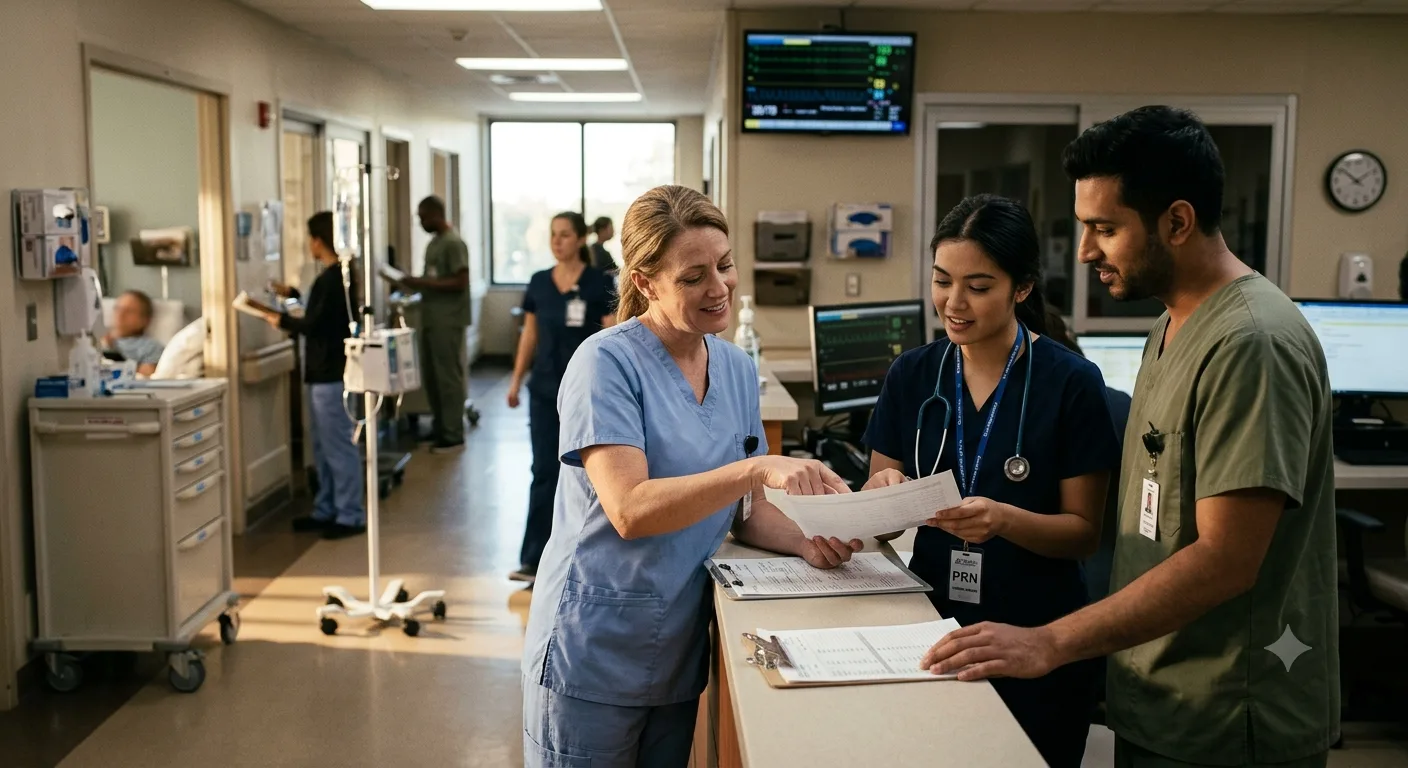
Mental and behavioral healthcare requires more than treatment plans and clinical programs. Behind every effective care environment is a team of professionals who support patients through assessment, treatment, communication, daily care, and recovery. When facilities do not have enough qualified workers, maintaining consistent support can become increasingly difficult.
This is one reason mental health staffing agencies have become an important resource for organizations looking to address workforce gaps. Staffing support can help facilities connect with qualified professionals while giving internal teams more flexibility when hiring needs change.
Why Mental Health Staffing Requires Careful Planning
Behavioral healthcare settings can have very different staffing requirements. A facility may need professionals with experience working with specific populations, conditions, or care environments.
Finding the right person is therefore about more than filling an open position. Facilities need professionals who understand the responsibilities of their role and can communicate effectively with patients, families, and other members of the care team.
Staffing decisions can also affect continuity. When positions remain open for long periods, existing employees may face additional responsibilities, potentially creating pressure across the entire team.
A structured staffing strategy can help facilities respond before these challenges become larger operational problems.
The Value of Qualified Behavioral Health Professionals
Mental healthcare involves a wide range of professionals. Depending on the facility, teams may include nurses, counselors, therapists, behavioral health professionals, support staff, and other specialists.
Each role contributes differently to patient care.
Some professionals may focus on clinical responsibilities, while others provide counseling, daily support, coordination, or other services. A balanced team allows different responsibilities to work together rather than placing the entire burden on one type of professional.
For facilities, identifying qualified candidates for these roles is an important part of maintaining effective care delivery.
Flexible Staffing Can Help During Workforce Changes
Healthcare staffing needs can change quickly. Employee leave, increased patient demand, turnover, or changes in facility capacity can all affect workforce requirements.
Permanent recruitment may be the right solution for some positions, but temporary or flexible staffing can also be useful when immediate support is needed.
For example, a facility may need additional professionals while recruiting for a permanent position. Another organization may require temporary coverage during a period of increased demand.
Flexible staffing options can provide additional workforce capacity without requiring facilities to make every staffing decision permanent.
What Facilities Should Consider When Choosing Staffing Support
Healthcare organizations should look carefully at how a staffing partner approaches recruitment and candidate selection.
Experience within healthcare is important because different positions require different qualifications and workplace expectations. Facilities should also consider how candidates are evaluated, how communication is handled, and whether the staffing process is organized around the facility's specific needs.
Clear expectations can make the relationship more effective for everyone involved.
For more information visit site : https://empowercare.us/