
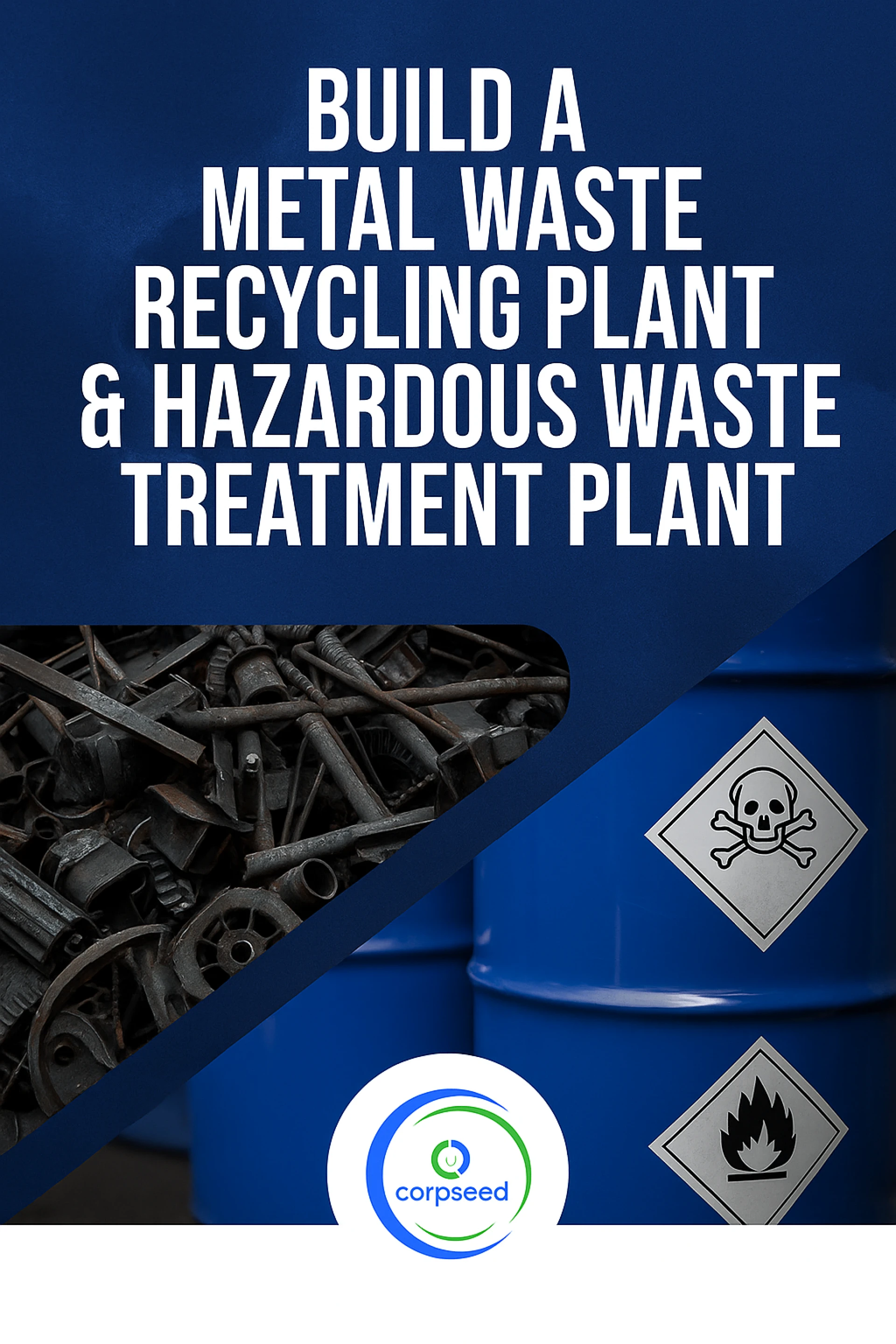
The management of industrial waste is a growing concern across the globe, and India is no exception. Among the critical areas demanding attention are the metal waste recycling plant and the hazardous waste treatment plant. These facilities play a pivotal role in controlling pollution, recovering valuable materials, and supporting sustainable industrial growth.
![]()
![]() Why a Metal Waste Recycling Plant is Essential
Why a Metal Waste Recycling Plant is Essential
India produces millions of tonnes of metal waste each year, stemming from manufacturing, automotive, construction, and demolition sectors. Unmanaged metal waste not only contributes to environmental degradation but also results in the loss of valuable recyclable materials.
Establishing a metal waste recycling plant allows industries to process ferrous and non-ferrous metals, recovering usable forms of steel, iron, copper, and aluminum. These materials are then reused in manufacturing, significantly reducing the dependency on mining and raw material imports.
The plant setup involves site selection, installation of crushing, sorting, and smelting equipment, and compliance with environmental norms. Entrepreneurs often begin by targeting ferrous scrap recycling or investing in basic metal separation units before scaling to fully automated facilities.
Modern recycling units can handle bulk scrap, ensuring high-volume processing and efficient separation of impurities. When done at scale, the recycling of metal waste also reduces energy consumption compared to producing metal from virgin ore.
The Need for Hazardous Waste Treatment Facilities
Hazardous waste includes materials that are reactive, toxic, corrosive, or flammable—waste types that require specialized handling and disposal. This includes chemical waste, biomedical waste, pesticide residues, and industrial sludge.
A hazardous waste treatment plant is designed to treat, neutralize, and dispose of such materials safely and legally. These plants are crucial to prevent soil and water contamination, safeguard human health, and ensure that industries comply with stringent hazardous waste regulations.
The treatment process varies based on the nature of the waste but generally includes segregation, chemical treatment, stabilization, incineration, and secured landfilling. Setting up such a facility requires approvals from pollution control boards, site clearance, EIA (Environmental Impact Assessment), and trained personnel for hazardous material management.
Entrepreneurs in this space often work with industrial zones, pharmaceutical factories, and chemical plants to manage and treat their waste output effectively. The business model can also include mobile treatment units or centralized storage and disposal facilities (TSDFs).
Combined Impact: Recovery + Safe Disposal
Together, metal waste recycling plants and hazardous waste treatment plants address two key areas in India’s industrial waste problem—recovery and risk mitigation.
While metal recycling helps in material recovery and circular use, hazardous waste treatment ensures that non-recyclable, high-risk waste is dealt with safely. Combining these services under one integrated operation allows companies to handle different types of waste, expand their client base, and achieve higher sustainability standards.
Moreover, the government has mandated strict reporting and compliance under the Hazardous and Other Wastes (Management and Transboundary Movement) Rules, which has led to increased demand for third-party waste management partners.
Key Considerations for Setup
- Licensing & Approvals: Approvals from SPCB/CPCB, environmental clearance, and local municipal consents are mandatory.
- Technology: Invest in automated machinery for sorting, shredding, and smelting in recycling units; incinerators and chemical reactors in hazardous waste treatment plants.
- Location: Industrial zones or waste-generating hubs are ideal for such setups due to logistics efficiency.
- Safety Compliance: Strict safety protocols and employee training are non-negotiable for hazardous waste handling.
Final Thoughts
Launching a metal waste recycling plant or a hazardous waste treatment plant in India isn’t just a step toward business growth—it’s a contribution to national sustainability efforts.
As regulatory frameworks tighten and industries seek compliant disposal options, these facilities are becoming essential.
For entrepreneurs and investors, this sector offers stable growth, positive environmental impact, and opportunities to work with both government and private clients. With the right planning, equipment, and guidance, entering this industry can be both rewarding and future-proof.