
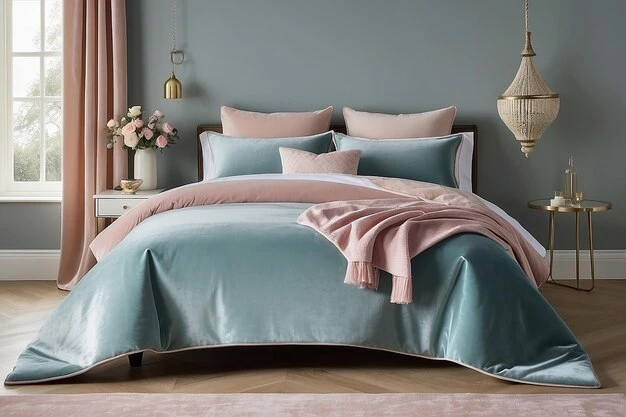
Comfort at home doesn’t have to come from big renovations or expensive furniture. Most of the time, a space feels better when it works better: when the room is easier to use, easier to tidy, and more supportive of rest. With a few low-cost upgrades and small habit shifts, you can make your home feel warmer, calmer, and more welcoming without putting pressure on your budget.
Focus on the Rooms You Use the Most
Start by choosing the two areas where you spend the most time, often the bedroom and the living room. Improving comfort in high-use spaces delivers the biggest payoff because you’ll feel the change every day. This also prevents you from spreading your budget too thin across rooms you rarely sit in. As you plan your refresh, browse a bedspread online. It can be a practical way to update the feel of a room quickly while keeping costs predictable and avoiding impulse purchases in-store.
Reset the Bed for Better Rest on a Budget
The bed is a comfort multiplier: when it feels inviting, the whole day ends better. Instead of replacing everything, choose one or two upgrades that change the experience most, such as adding an extra pillow in the right firmness or switching to a softer top layer for the season. A simple goal is an elegant bed setup that looks calm and feels comfortable, using clean layers and a tidy fold rather than expensive accessories. Even small changes like smoothing the surface and reducing visual clutter around the bed make the room feel more restful.
Use Lighting to Make Even Cheap Decor Look Better
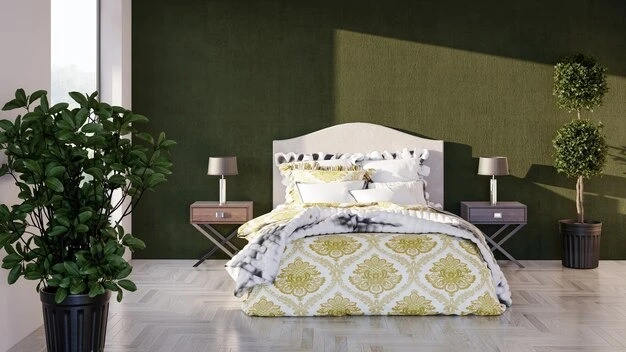
Lighting is one of the least expensive ways to improve how a home feels. Replace harsh bulbs with warm-toned LEDs, then add one additional light source in any room that feels flat or gloomy. A table lamp or floor lamp creates a softer atmosphere and makes evenings more relaxing. If you already have lamps, consider rearranging them so the light spreads across the room instead of shining into one corner.
Improve Warmth With Textiles Instead of Furniture
Before buying new furniture, add comfort with textiles that change both temperature and texture. A cozy throw, washable cushion covers, or a simple rug can make a room feel finished and inviting without a high cost. Choose materials that are easy to clean so your upgrades don’t add stress later. The best budget buys are the ones that make the space feel better every day, not just look better in photos.
Create Drop Zones to Reduce Daily Mess
Comfort disappears quickly when clutter is always in your way. Set up small drop zones where items naturally land: a bowl for keys, a basket for chargers, a tray for mail, or hooks for bags and jackets. When your home has obvious places for everyday items, the rooms stay clear with less effort. This kind of organization costs little but changes how the space feels because you’re not constantly navigating piles.
Rearrange for Better Flow Before You Spend Anything
Sometimes the most effective comfort upgrade is free. Try shifting furniture to open up walkways, pulling seating closer together, or placing a chair where it’s actually useful. If a room feels cramped, remove one unnecessary piece rather than trying to squeeze in more storage. Better flow makes a home feel larger and calmer, and it often reveals that you already own enough things, just need a smarter layout.
Upgrade Sound and Scent in Subtle, Affordable Ways
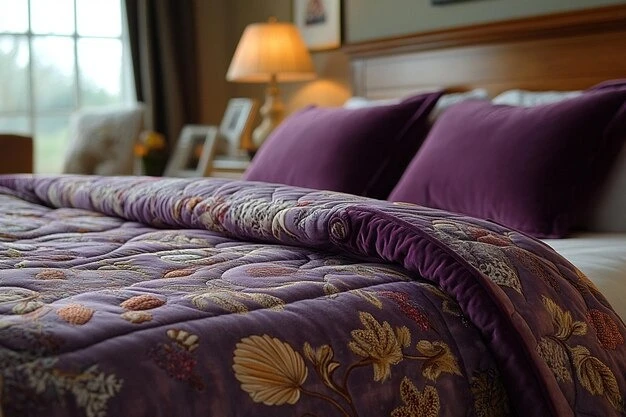
A comfortable home is also about what you hear and smell. If outside noise bothers you, add thicker curtains, place a rug to absorb sound, or use a fan for steady background noise. For scent, focus on freshness: open windows when possible, wash soft furnishings regularly, and use simple options like simmering citrus peels and spices. The goal is a clean, calm atmosphere rather than overpowering fragrances.
Keep Style Consistent With Simple Guidelines
Budget decorating works best when you limit random purchases. Choose a small palette of colors and stick to it, and repeat a few materials like wood, black metal, or warm neutrals so your space feels intentional. If you’re unsure what to do in the bedroom, use a short list of bedroom style tips such as keeping nightstands clear, choosing one main accent color, and letting bedding be the visual focal point. Consistency makes even inexpensive pieces look coordinated.
Conclusion
Improving home comfort on a budget is less about shopping and more about choosing changes that support daily life. When you focus on high-use rooms, refine lighting, soften spaces with textiles, and reduce clutter with simple systems, your home becomes easier to live in and more pleasant to return to. Start with one small improvement, finish it, and build momentum from there. The results will feel bigger than the spending.