
"A well-planned garden is a journey, not a place to go." This approach gets to the essence of outdoor spaces that have both hard surfaces and living creatures. You don't need a lot of money to get a good balance between concrete and plants. With the right design, minor changes may turn old, dull yards into attractive, usable landscapes.
More and more people in Melbourne are realising how powerful small changes can be. These enhancements add useful, concrete parts to plants that are easy to care for. The ultimate result is rooms that are lovely to look at, comfortable to be in, and last a long time. Landscaping maintenance in Keysborough shows that you may make a modern outdoor space without spending too much money by using a clever mix of pavement, edging, and native plants.
Why Concrete and Greenery Work So Well Together
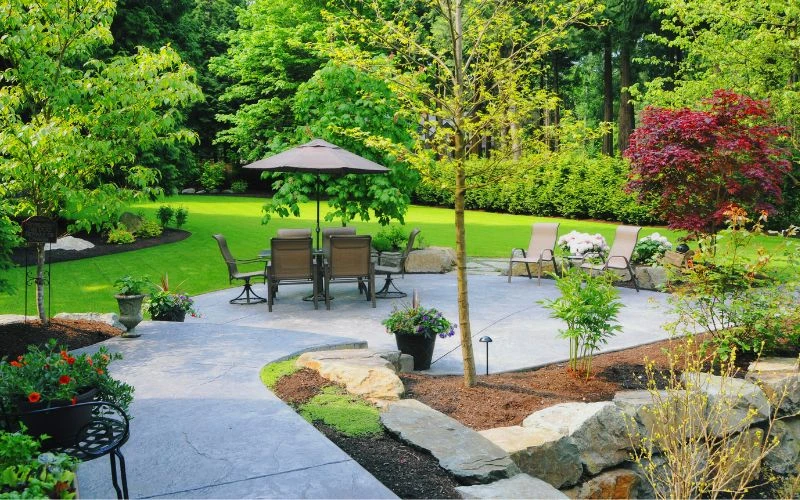
The base of the structure is made of concrete. It gives regions more shape, makes surfaces stronger, and cuts down on the need for regular maintenance. Plants soften the edges and offer texture and colour all year long. They function together as a partnership, with one supplying strength and durability and the other contributing life and character.
Hard and soft parts perform nicely together when used in a logical way. A concrete patio that is bordered by bushes looks less empty. Adding low-growing plants on both sides of a garden path makes it feel more welcoming. It's crucial to have contrast, like hard edges adjacent to spontaneous growth.
Practical Ideas for Budget-Friendly Renovations
1. Simple walkways with plants on the sides
Paths made of plain concrete are functional and not too expensive. Adding edge plants like lomandra or dwarf mondo grass makes them look lush without having to spend a lot of money on finishing.
2. Plants in pots to make the patio look better
You don't have to change your yard entirely; huge pots with native trees or shrubs can make a concrete patio look better. Plants in pots that can be moved around give you colour and versatility all year round.
3. Garden beds with concrete edges that are easy to see
Concrete borders surrounding garden beds prevent the soil in place and the mulch from getting out. This keeps landscapes tidy and gives them shape, which makes even little areas look like they were made by a pro.
4. Places to sit that don't cost much
You can save money and get seating that is both useful and long-lasting by using concrete slabs as the basis for benches or low walls. Adding creepers or shrubs around the seating area helps it look softer and makes it fit in with the garden.
Money-Saving Green Options
More and more, renovations that happen outside need to be good for the environment. In this area, native plants that can endure drought do well and don't need as much water or attention. Plants like kangaroo paw, correas, and native grasses have vivid foliage and flowers and are cheaper in the long run.
Mulching keeps plant roots safe and conserves water. Drip irrigation makes sure that plants get enough water without wasting too much. These strategies will help you get strong and beautiful without spending a lot of money. Low-maintenance garden design projects in Mount Waverley often show how using native plants with strong hardscape can make a great difference in how things appear and save money.
The Power of Balance
The most significant factor for outdoor improvements is balance. Plants make things softer and more alive, while concrete makes things last and gives them shape. When applied with care and purpose, the result is a landscape that looks a lot more expensive than it really is.
Design that doesn't cost a lot of money doesn't mean cutting corners. It's about making choices on purpose to get the most out of both plants and resources. Concrete and plants can turn any outside space into a functional and inexpensive extension of your home.