Whether you are stepping on stage for the first time or performing for a packed auditorium, one thing remains constant for every actor—the breath. At Shri Ram Performing Art, we believe that before an actor learns to project emotion, they must first learn to control their breath. Breathwork is the foundation of acting, and mastering it can transform your presence, performance, and confidence.
In this blog, we explore how breathwork helps actors control nerves, strengthen their voice, and deliver powerful performances.
Why Breath Matters in Acting
Breathing is the core of expression. Every dialogue, emotion, and movement begins with a steady breath. When your breath is shallow or uneven, your performance becomes shaky. But when your breath is controlled, your body relaxes, your voice opens, and your mind becomes alert.
At Shri Ram Performing Art, we teach actors how to use breath as a tool—not just for performance, but also for presence and emotional clarity.
1. Breathwork Helps Control Stage Fright
Every actor, even seasoned ones, feels nervous before facing an audience. These nerves show up as shaky hands, a racing heartbeat, and difficulty speaking clearly. This happens because anxiety triggers shallow chest breathing.
Proper breathwork reverses this.
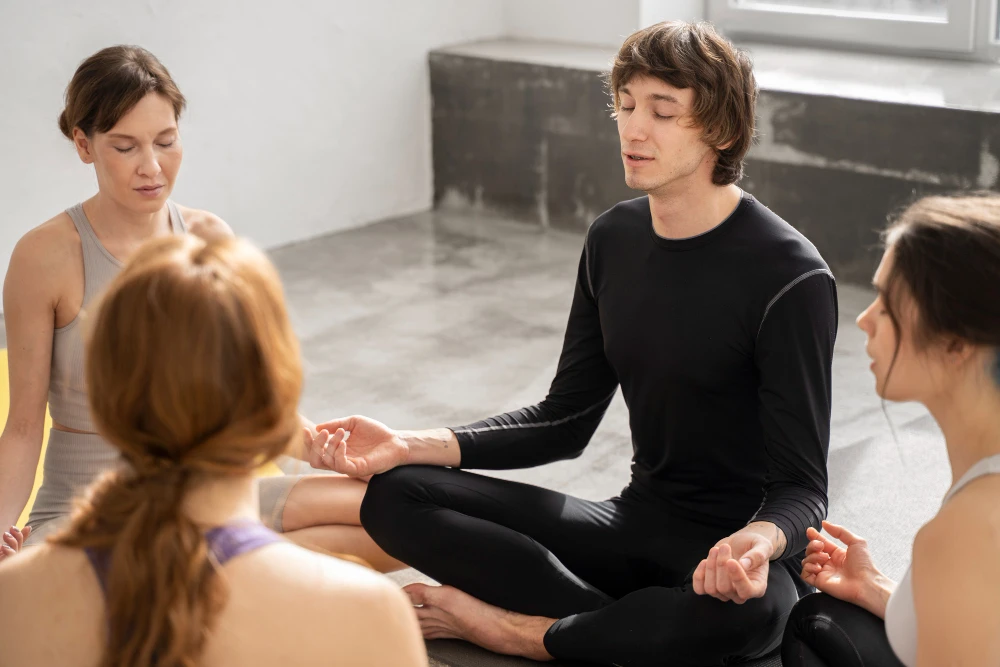
Deep diaphragmatic breathing activates the parasympathetic nervous system, slowing your heart rate and calming your body. Within minutes, you feel grounded and focused.
Techniques we teach:
- Slow inhalation for 4 seconds
- Hold for 2 seconds
- Exhale for 6 seconds
- Repeat until the body relaxes
This simple pattern helps students feel composed before auditions, performances, and even real-life presentations.
2. Breath Strengthens and Enhances Your Voice
A powerful voice doesn’t come from shouting—it comes from breathing correctly. Most beginner actors struggle with projection because they rely on their throat instead of their diaphragm.
With proper breathwork:
- Voice becomes louder without strain
- Words become clearer
- Dialogues flow more naturally
- Long monologues feel effortless
At Shri Ram Performing Art, we train students in resonance exercises, breath-supported speech, and vocal warm-ups that build stamina and clarity. This is essential for theatre, on-camera work, and everyday communication.
3. Breathwork Improves Emotional Expression
Every emotion—joy, fear, anger, sadness—has its own breathing pattern. When actors learn to control their breath, they also learn to control emotional intensity.
For example:
- Fast breathing creates tension and panic
- Slow breathing creates calmness or sorrow
- Sharp exhalations bring energy and aggression
Understanding how breath shapes emotion helps actors deliver more authentic and layered performances.
4. A Key Part of Professional Actor Training
In our classrooms at Shri Ram Performing Art, breath-based warm-ups are included in almost every session. Our mentors emphasize breathwork because it prepares the mind and body for scenes, improvisations, and character-building exercises.
Actors who practice breathwork regularly find improvements not just in acting, but also in focus, discipline, and stamina.
5. Breathwork Helps in Real-Life Professions Too
Breath control is not just for actors. Lawyers, teachers, speakers, and leaders also use these techniques to command attention and communicate confidently. Many students join Shri Ram Performing Art not only to learn acting, but also to improve their presence in professional and personal life.
Conclusion: Master Your Breath, Master Your Performance
Breathwork is more than an exercise—it is the foundation of great acting. Whether you are preparing for your first audition or aiming to become a professional performer, mastering your breath will give you power, control, and unmatched stage presence.
At Shri Ram Performing Art, we guide students step by step through breathwork, voice training, and performance techniques that build confidence and creativity.