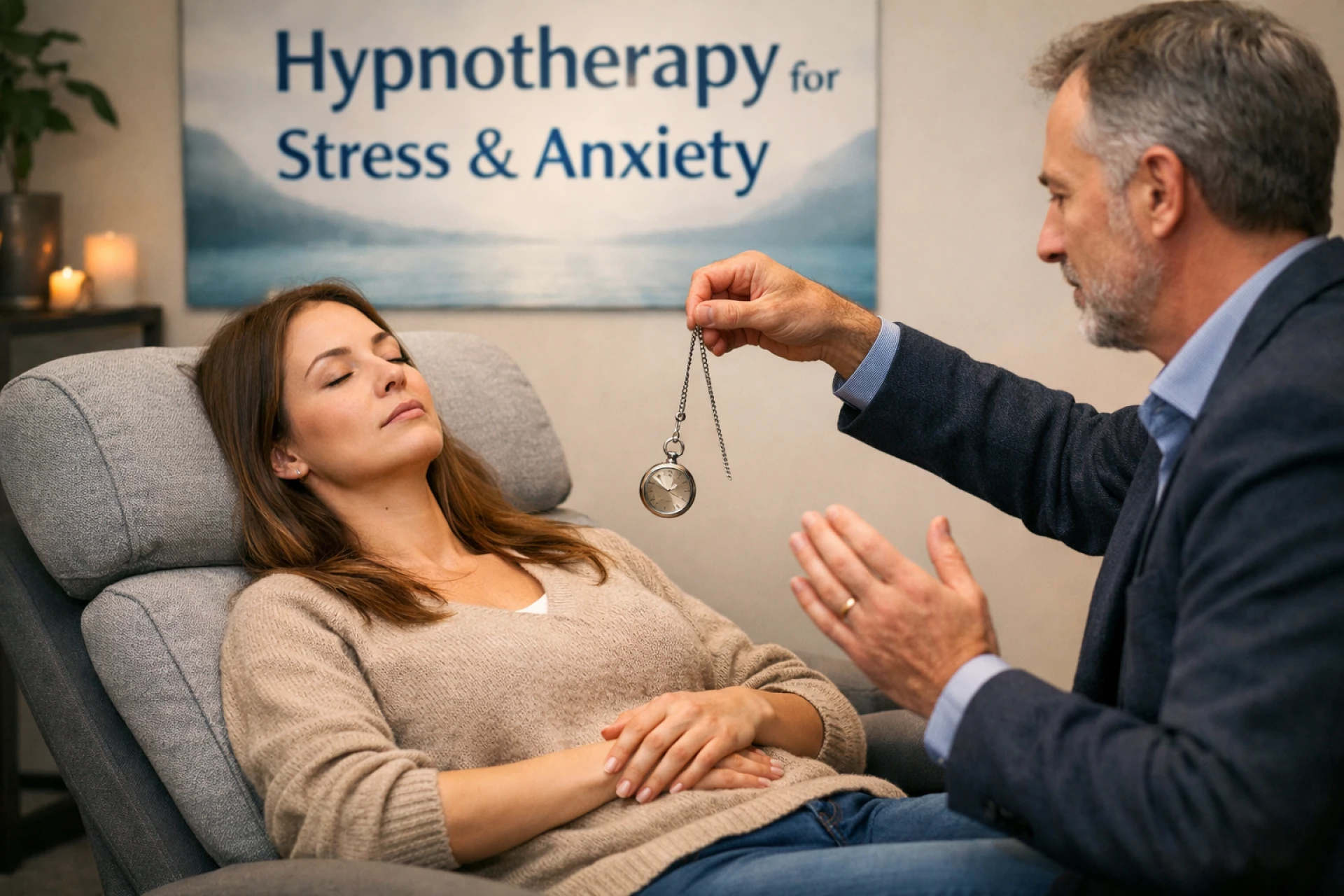
Modern life rarely slows down. Between constant notifications, demanding workloads, and the pressure to stay productive, many people find themselves stuck in a loop of stress that feels difficult to escape. While traditional coping strategies like exercise, time off, or mindfulness can help, they don’t always address the deeper patterns driving stress. This is where hypnotherapy in Western Sydney is gaining attention as a practical and holistic approach to restoring balance and mental clarity.
The Modern Stress Epidemic
Stress has become a near-constant companion for many individuals. It shows up not only as mental exhaustion but also in physical symptoms such as headaches, muscle tension, and disrupted sleep. Over time, this persistent state can affect decision-making, emotional resilience, and overall quality of life.
One reason stress feels so overwhelming is that it often operates on autopilot. People react to triggers without fully understanding why, creating a repetitive cycle that reinforces anxiety and fatigue. Breaking this cycle requires more than surface-level solutions—it calls for a deeper shift in how the mind processes stress.
Understanding the Stress Cycle
At its core, the stress cycle is a pattern of repeated physiological and psychological responses. When faced with a perceived threat—whether it’s a looming deadline or a personal conflict—the body activates its fight-or-flight response. While this response is helpful in short bursts, constant activation leads to burnout.
Common signs of being stuck in this cycle include:
- Difficulty concentrating
- Irritability or mood swings
- Trouble sleeping
- Persistent worry or overthinking
Many people attempt to manage these symptoms through temporary fixes, but these approaches often fail to address the root cause: subconscious thought patterns and learned responses.
For those exploring broader perspectives on managing stress and mental health, platforms like The OmniBuzz’s lifestyle and wellness section provide insights into everyday strategies that complement deeper therapeutic work.
What Is Hypnotherapy and How Does It Work?
Hypnotherapy is often misunderstood, largely due to misconceptions shaped by entertainment and stage performances. In reality, it is a structured and evidence-informed approach that focuses on guiding individuals into a deeply relaxed state where the subconscious mind becomes more accessible.
In this relaxed state—often associated with alpha or theta brainwaves—the mind is more open to suggestion and reframing. This allows individuals to explore underlying beliefs, habits, and emotional triggers that contribute to stress.
Rather than taking control away, hypnotherapy empowers individuals to:
- Recognize limiting thought patterns
- Reframe negative associations
- Build healthier responses to stressors
Techniques commonly used include guided visualization, relaxation exercises, and suggestion therapy. These methods work together to create lasting changes in how the mind processes everyday challenges.
The Rise of Hypnotherapy in Western Sydney
In recent years, hypnotherapy in Western Sydney has become increasingly popular among individuals seeking alternatives to conventional stress management techniques. This shift reflects a broader awareness of mental health and a growing interest in holistic approaches that go beyond symptom relief.
One reason for this rise is the appeal of non-invasive, drug-free methods. Many people are looking for ways to manage stress that align with their lifestyle and values, without relying solely on medication.
A typical hypnotherapy session begins with a conversation about goals and concerns, followed by guided relaxation and focused techniques tailored to the individual. Over time, these sessions can help rewire habitual responses to stress, leading to improved clarity and emotional balance.
Reclaiming Mental Clarity Through Subconscious Change
Mental clarity isn’t just about reducing stress—it’s about creating space for better thinking, decision-making, and creativity. Hypnotherapy works at the subconscious level, where many automatic responses are formed and reinforced.
By identifying deep-rooted triggers—such as past experiences or ingrained beliefs—individuals can begin to shift how they perceive and react to stress. For example, someone who constantly feels overwhelmed may discover that their response is tied to a fear of failure or perfectionism.
Through consistent sessions, hypnotherapy helps:
- Replace negative thought loops with constructive ones
- Strengthen emotional resilience
- Encourage a calmer, more focused mindset
For those interested in structured support, exploring professional hypnotherapy services can offer guidance tailored to specific challenges and goals.
When to Consider Hypnotherapy
Hypnotherapy is not limited to extreme cases of stress or anxiety. It can be beneficial for a wide range of everyday situations, including:
- Workplace burnout
- Difficulty managing responsibilities
- Persistent overthinking
- Lack of focus or motivation
It can also complement other wellness practices such as meditation, exercise, and counseling. Rather than replacing these approaches, hypnotherapy enhances their effectiveness by addressing underlying mental patterns.
For additional ideas on building a balanced lifestyle, resources like The OmniBuzz’s self-care and productivity content can provide practical tips that align well with hypnotherapy techniques.
Integrating Hypnotherapy Into Daily Life
One of the key benefits of hypnotherapy is its long-term impact. Instead of offering quick fixes, it helps individuals develop sustainable habits that support mental clarity and well-being.
Simple daily practices can reinforce the progress made during sessions:
- Mindful breathing to reset during stressful moments
- Journaling to identify recurring thoughts
- Setting realistic goals to reduce pressure
Over time, these practices become second nature, making it easier to navigate challenges without falling back into old stress patterns.
A New Perspective on Stress Management
The growing interest in hypnotherapy in Western Sydney reflects a shift in how people approach mental health. Rather than focusing solely on managing symptoms, there is increasing recognition of the importance of addressing root causes.
By working with the subconscious mind, hypnotherapy offers a pathway to lasting change. It helps individuals not only reduce stress but also build the clarity and resilience needed to thrive in a fast-paced world.
As more people explore holistic approaches, hypnotherapy continues to stand out as a practical and adaptable tool—one that supports both immediate relief and long-term well-being.