What Are Brass Sheets?
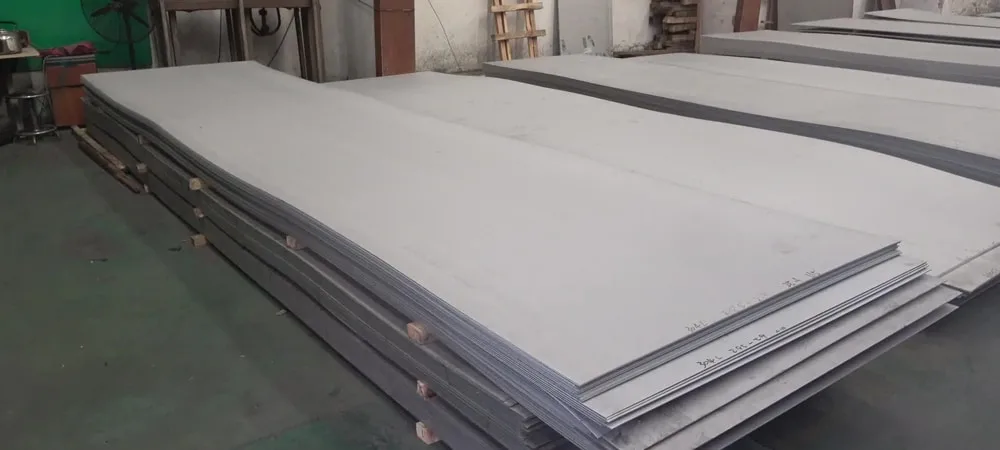
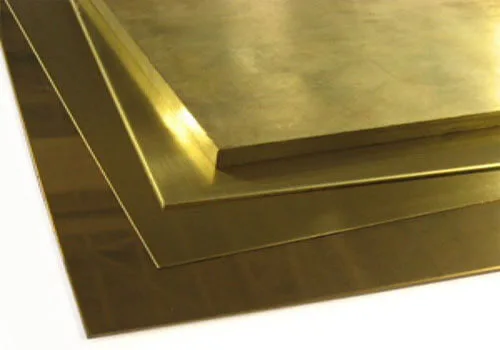
Brass sheets are flat metal sheets made from brass, which is mainly a combination of copper and zinc. The amount of copper and zinc can vary depending on the required strength, hardness, and corrosion resistance.
These sheets are available in different thicknesses, sizes, and grades for various industrial and commercial uses.
Brass sheets are known for:
- High strength
- Good corrosion resistance
- Excellent machinability
- Attractive finish
- Good electrical conductivity
- Easy fabrication
Their smooth surface and bright appearance also make them suitable for decorative applications.
How Are Brass Sheets Made?
Brass sheets are produced by melting copper and zinc together to create the brass alloy. The metal is then rolled into flat sheets of different thicknesses.
The manufacturing process usually includes:
- Melting and alloy preparation
- Casting
- Hot rolling
- Cold rolling
- Annealing for improved flexibility
- Surface finishing
This process ensures uniform thickness, smooth finish, and strong mechanical properties.
Why Are Brass Sheets Important?
Brass sheets are important because they offer a balance of strength, flexibility, and corrosion resistance.
Strong and Durable
They can handle heavy use and maintain their shape for a long time.
Corrosion Resistant
Brass performs well in moisture and humid environments, making it suitable for marine and plumbing applications.
Easy to Fabricate
Brass sheets can be cut, bent, drilled, welded, and polished easily.
Attractive Appearance
Their bright golden color makes them useful for decorative and architectural purposes.
Good Conductivity
Brass is also used in electrical applications because it carries electricity and heat effectively.
Advantages of Brass Sheets
Brass sheets offer many practical benefits.
Excellent Machinability
They are easy to process into different shapes and components.
Low Maintenance
Brass requires less maintenance compared to many other metals.
Long Service Life
Their durability helps reduce replacement costs.
Recyclable Material
Brass is environmentally friendly because it can be recycled and reused.
High Strength with Flexibility
It provides a good balance between hardness and workability.
Types of Brass Sheets
Different types of brass sheets are available depending on the composition and application.
Cartridge Brass Sheets
These contain a high percentage of copper and are known for excellent forming and bending properties.
Naval Brass Sheets
These include a small amount of tin for better corrosion resistance, especially in marine environments.
Free Cutting Brass Sheets
These are designed for easy machining and are used in precision engineering.
Decorative Brass Sheets
These are used for interior design, furniture, and architectural applications because of their polished appearance.
Common Grades of Brass Sheets
Popular grades include:
- C26000 n- C27200
- C28000
- IS 319 Grade
- ASTM standard grades
Each grade offers different levels of strength, corrosion resistance, and workability depending on the application.
Applications of Brass Sheets
Brass sheets are used in many industries.
Electrical Industry
Used for terminals, connectors, switchgear parts, and electrical panels.
Automotive Industry
Used in radiator parts, fuel systems, trim parts, and decorative fittings.
Construction Industry
Used for roofing, wall panels, door fittings, and architectural decoration.
Marine Industry
Naval brass sheets are used for ship fittings and equipment because of their corrosion resistance.
Furniture and Decoration
Used in decorative panels, handles, lighting fixtures, and interior design products.
Industrial Machinery
Used in machine components, washers, gaskets, and fabricated parts.
Common Problems Without Quality Brass Sheets
Using poor-quality brass sheets can lead to:
- Surface cracks
- Poor bending performance
- Low corrosion resistance
- Fast wear and damage
- Uneven thickness
- Reduced product life
Choosing high-quality brass sheets helps avoid these issues and improves final product performance.
How to Choose the Right Brass Sheets
Selecting the correct brass sheet depends on several factors.
Consider:
- Required thickness
- Grade of brass
- Corrosion resistance needs
- Strength requirements
- Surface finish
- Machining requirements
- Application environment
Working with a trusted brass sheet supplier helps ensure better quality and reliable performance.
Conclusion
Brass sheets are valuable materials used in many industries because of their strength, corrosion resistance, easy fabrication, and attractive appearance.
They are suitable for electrical systems, automotive parts, construction work, marine applications, and decorative products.
Choosing the right grade and quality of brass sheets improves durability, reduces maintenance, and ensures long-term performance.
From industrial machinery to decorative architecture, brass sheets continue to be an important material for modern manufacturing and engineering.