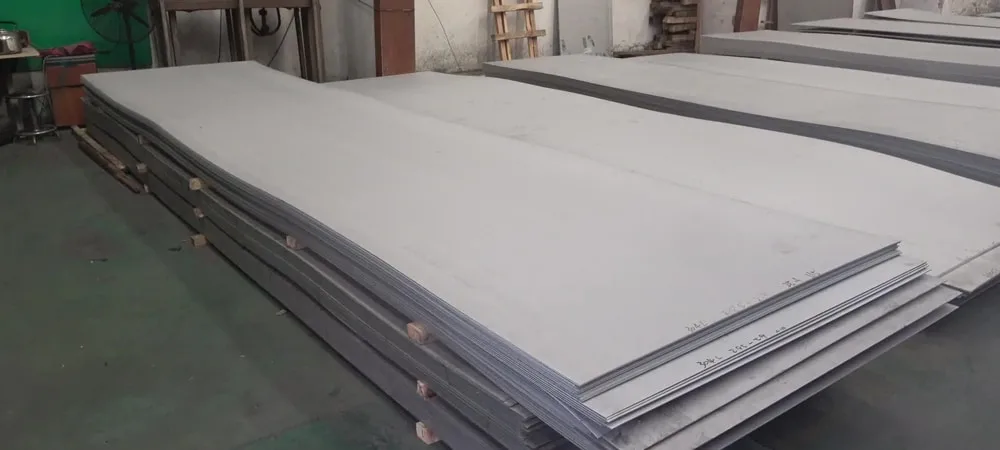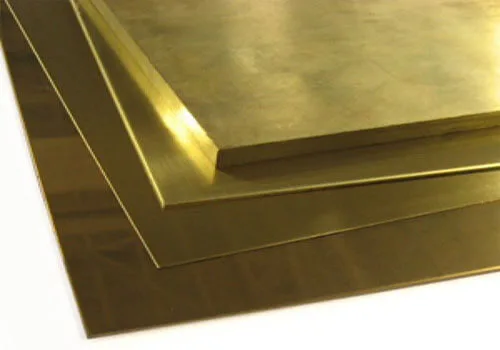
Brass sheets are widely used metal products known for their strength, flexibility, and attractive appearance. Made from an alloy of copper and zinc, brass sheets are used in many industries such as construction, electrical, automotive, and decorative applications.
Because of their durability and easy workability, brass sheets are a popular choice for both industrial and commercial use.
What Are Brass Sheets?
Brass sheets are flat pieces of brass metal that come in different thicknesses, sizes, and finishes. They are created by rolling brass into thin sheets that can be cut, shaped, or formed as needed.
The amount of copper and zinc in brass can vary, which changes the strength, color, and flexibility of the sheet. Higher copper content gives better corrosion resistance, while higher zinc content increases strength.
Key Properties of Brass Sheets
Brass sheets are known for several useful properties.
High Strength
Brass sheets are strong and can handle pressure and load without breaking easily.
Good Corrosion Resistance
They resist rust and corrosion, making them suitable for indoor and outdoor use.
Excellent Workability
Brass is easy to cut, bend, drill, and shape, which makes it ideal for manufacturing.
Good Electrical Conductivity
Brass can carry electricity, so it is used in electrical components.
Attractive Appearance
Brass has a gold-like finish, which makes it popular for decorative purposes.
Common Types of Brass Sheets
There are different types of brass sheets based on their composition and use.
Cartridge Brass Sheets
These have high copper content and are easy to shape. They are commonly used in deep drawing applications.
Free-Cutting Brass Sheets
These sheets are designed for machining and are easy to cut and shape.
Naval Brass Sheets
Naval brass contains a small amount of tin, which improves corrosion resistance, especially in marine environments.
Applications of Brass Sheets
Brass sheets are used in many industries due to their versatility.
Construction Industry
They are used for roofing, wall panels, door fittings, and architectural designs.
Electrical Industry
Brass sheets are used in terminals, connectors, switch components, and other electrical parts.
Automotive Industry
They are used in radiators, fittings, and decorative trims in vehicles.
Decorative and Interior Design
Brass sheets are widely used for making decorative items, nameplates, furniture parts, and art pieces.
Industrial Equipment
They are used in machinery parts, washers, and various fabricated components.
Advantages of Brass Sheets
Brass sheets offer many benefits that make them a preferred material.
Durable and Long-Lasting
They can last for many years without losing strength or quality.
Easy to Fabricate
Brass sheets can be easily cut, bent, and shaped into different forms.
Low Maintenance
They require little maintenance and keep their appearance over time.
Recyclable Material
Brass is recyclable, making it an environmentally friendly option.
Good Thermal Conductivity
They can transfer heat efficiently, which is useful in some industrial applications.
Factors to Consider When Choosing Brass Sheets
When selecting brass sheets, it is important to consider:
- Thickness of the sheet
- Type of brass alloy
- Strength requirements
- Corrosion resistance needs
- Surface finish
- Application purpose
- Budget
Choosing the right type of brass sheet ensures better performance and longer service life.
Maintenance of Brass Sheets
Brass sheets are easy to maintain. Regular cleaning helps keep their shine and prevents tarnishing.
Simple steps include:
- Cleaning with a soft cloth
- Using mild cleaning solutions
- Avoiding harsh chemicals
- Polishing when needed
Proper maintenance helps keep brass sheets looking new and attractive.
Future Demand for Brass Sheets
The demand for brass sheets is increasing due to growth in construction, electrical systems, and decorative industries. Their combination of strength, beauty, and workability makes them a valuable material for modern applications.
As industries continue to grow, brass sheets will remain an important material in manufacturing and design.
Conclusion
Brass sheets are strong, flexible, and visually appealing materials used in many industries. Their excellent properties such as corrosion resistance, workability, and durability make them suitable for construction, electrical, automotive, and decorative uses.
With proper selection and maintenance, brass sheets can provide long-lasting performance and value.