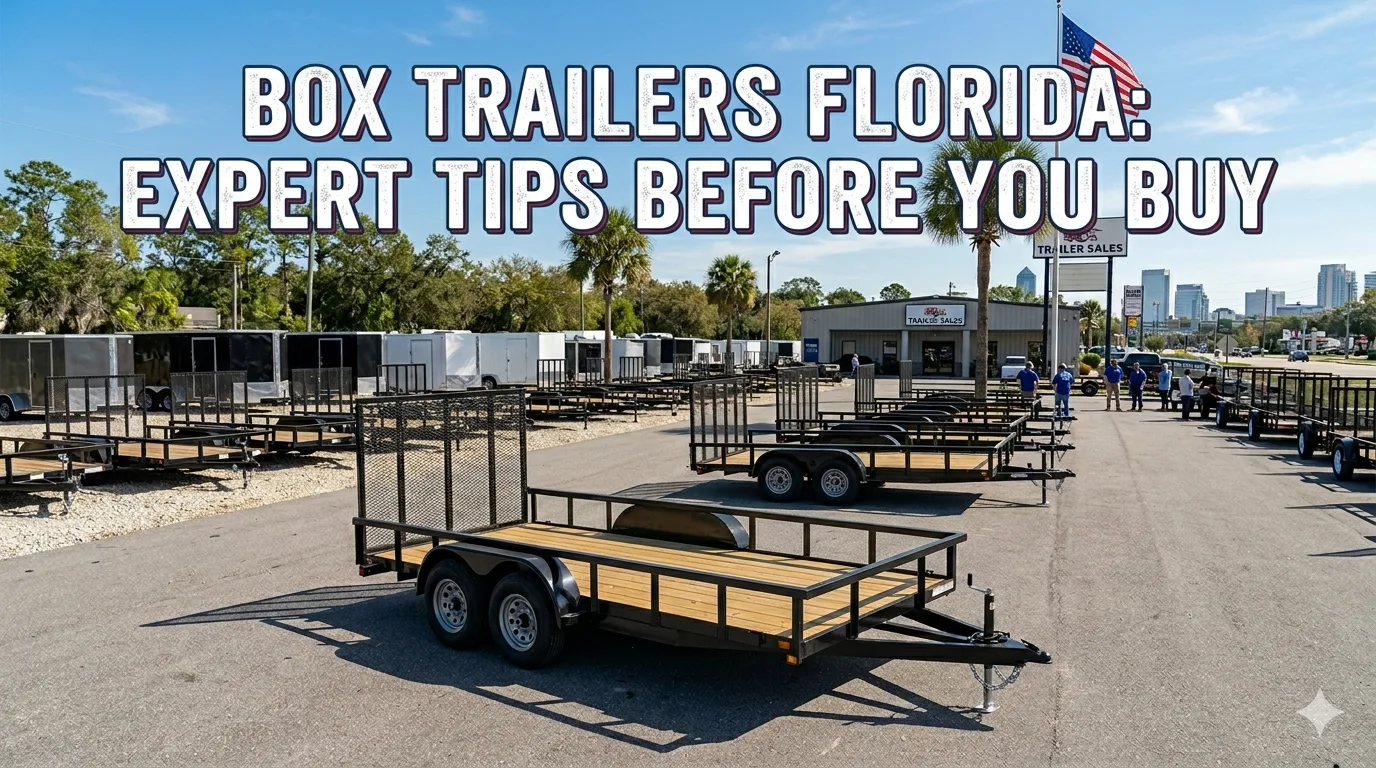
Buying a trailer sounds easy at first. You see one online, compare a few prices, maybe watch two YouTube videos, and suddenly you’re convinced you know exactly what you need. Then you get to the dealership lot in Florida heat, staring at fifteen different trailer sizes wondering why one costs almost double the other. Yeah… it happens.
A lot of people shopping for box trailers Florida dealers sell end up focusing only on price. I get it. Trailers aren’t cheap anymore. Still, the cheaper option sometimes turns into the expensive mistake six months later after rust spots, wiring issues, or a floor that starts feeling soft under your boots.
Florida roads, humidity, rainstorms, salty coastal air — they can be rough on trailers. So buying the right one matters more than people think.
Why Box Trailers Are So Popular in Florida
You see them everywhere here. Landscapers pulling enclosed cargo trailers. Small business owners hauling tools. Families moving furniture across town. Even weekend riders carrying motorcycles to riding spots.
Florida kinda makes trailers practical year-round because there’s barely any off-season. No long snowy months where equipment sits unused.
And honestly, enclosed box trailers just make life easier. Your stuff stays dry. Locked up. Out of direct sunlight. That alone matters in Florida where afternoon rain shows up out of nowhere.
A friend of mine bought an open utility trailer first because it was cheaper. Three months later he added a tarp system. Then side rails. Then a lockbox. Eventually he sold it and bought an enclosed cargo trailer anyway. Spent more money doing it twice.
Pick the Right Trailer Size First
Don’t Guess Your Space Needs
This is where buyers mess up all the time.
They buy small because they want better fuel mileage or lower cost. Fair enough. Then suddenly they’re stacking equipment awkwardly or leaving things behind.
A 6x12 box trailer sounds huge until you actually load it.
Think about what you’ll haul most often:
- Lawn equipment
- Motorcycles
- Construction tools
- Furniture
- ATVs
- Vending setup
- Moving boxes
Walk through the loading process in your head. Seriously. Picture where things go.
And leave extra room. People rarely regret buying slightly bigger. They absolutely regret buying too small.
Height Matters More Than You Think
Low roof trailers can become annoying fast.
You don’t notice it during purchase day because you’re excited and moving around quickly. After a few months of ducking your head every single trip? Different story.
If you’re hauling equipment regularly, a taller enclosed trailer makes loading feel less cramped. Little things like that start mattering after a while.
Steel or Aluminum? Depends on Florida Weather
This debate never really ends.
Steel trailers usually cost less upfront. Aluminum trailers weigh less and resist rust better. In Florida, rust becomes part of the conversation pretty quickly, especially near coastal areas.
I’ve seen older steel cargo trailers with corrosion around hinges and undercarriages way earlier than expected. Not always because the trailer was bad either. Sometimes owners just didn’t wash them enough after beach-area driving.
Still, aluminum isn’t magic. Repairs can cost more. Some people prefer the sturdier feel of steel trailers for heavy-duty hauling.
If you’re towing often with a smaller SUV or half-ton truck, lighter aluminum box trailers can make towing smoother. Less strain. Better gas mileage too, usually.
Single Axle vs Tandem Axle Trailers
Single Axle Trailers
Good for lighter loads and shorter trips.
They’re easier to maneuver in tight spaces, which matters more than people admit. Parking a trailer behind a house or backing into a narrow driveway can test anyone’s patience. Mine included.
Single axle enclosed trailers also cost less and need fewer tires replaced later.
Tandem Axle Trailers
These feel more stable on highways, especially in Florida crosswinds.
If you’re hauling heavier cargo often, tandem axle cargo trailers usually make more sense. The ride feels steadier, and blowouts become slightly less terrifying because you still have another wheel supporting the trailer.
Not saying tire blowouts are fun either way. They absolutely aren’t.
Check Trailer Frame and Flooring Carefully
This part gets overlooked because buyers focus on shiny exterior panels.
Crawl underneath the trailer if possible. Look at welds. Check frame thickness. Ask questions even if you feel awkward doing it.
Bad welds can show up early, especially on rough roads.
And flooring? Super important in enclosed box trailers.
Plywood floors should feel solid, not soft or bouncy. Pressure-treated wood helps in humid climates like Florida. Water sneaks in easier than people expect, especially if seals around doors aren’t great.
Some cheaper trailers look fantastic outside but cut corners underneath where buyers rarely inspect.
Trailer Brakes and Towing Setup Matter Too
A surprising number of first-time buyers forget about towing capacity until the very end.
Then comes the awkward moment where the dealer asks what vehicle you’re using.
Check your vehicle’s towing limit before shopping seriously. Not after.
Also pay attention to:
Electric Trailer Brakes
These help a lot with heavier enclosed cargo trailers. Florida traffic gets unpredictable fast, especially near busy highways.
Stopping distance matters.
Hitch Type
Wrong hitch setup can make towing feel unstable even with a decent trailer.
Weight distribution hitches help larger trailers feel less “pushy” behind the vehicle. Hard to explain until you experience it.
Don’t Ignore Ventilation and Interior Features
People buying box trailers in Florida sometimes overlook airflow completely.
Then summer arrives.
An enclosed trailer parked outside for two hours can feel like an oven inside. Vents help more than you’d think. Side vents, roof vents, even small airflow improvements matter if you transport equipment sensitive to heat.
Interior lighting matters too, especially if you work early mornings or evenings.
And if you plan using the trailer for business? Wall liners, shelving, tie-down systems — worth considering upfront instead of adding everything later piece by piece.
New vs Used Box Trailers Florida Buyers Compare
Used trailers can save serious money. Sometimes thousands.
Still, inspect carefully.
Water damage hides well inside enclosed cargo trailers. Same with axle wear and electrical issues. Bring somebody experienced if you’re unsure what to check.
I’d probably trust a clean older trailer from a careful private owner over a rough-looking cheap dealership flip. Depends on maintenance history honestly.
Watch for:
- Rust underneath
- Uneven tire wear
- Door seal leaks
- Weak flooring
- Wiring problems
- Bent frame areas
If something feels off during towing, don’t ignore it because the price looks attractive.
Florida Registration and Trailer Laws
Not the exciting part, I know.
Still necessary.
Florida trailer registration depends partly on trailer weight. Some enclosed trailers also need brakes by law depending on weight ratings.
Ask for paperwork before finalizing anything:
- VIN verification
- Title status
- Registration documents
- Brake information
- Warranty papers
People sometimes rush paperwork because they’re excited to tow the trailer home immediately. Bad idea.
One missing title issue can become a huge headache later.
Final Thoughts Before You Buy
Buying a box trailer isn’t really about finding the cheapest one sitting on a lot somewhere. It’s more about finding the trailer you won’t regret six months later after real-world use kicks in.
Florida weather alone changes the equation a little.
Take your time walking around different enclosed trailers. Open doors. Step inside. Smell for moisture. Look underneath even if your clothes get dusty. Weird advice maybe, but trailers usually tell you a lot when you slow down long enough to actually inspect them properly.
And honestly? If a seller seems irritated by your questions, that probably tells you something too.