Access to clean, safe water is a priority for every family. With concerns about tap water quality, many turn to either home water filtration systems or bottled water. Both options aim to provide pure water, but they differ significantly in cost, convenience, environmental impact, and health benefits. Let’s dive into how home filtration systems stack up against bottled water to help you decide which is best for your household.
Health and Water Quality
The primary goal of both options is to ensure safe drinking water, but their effectiveness varies.
Home Filtration Systems
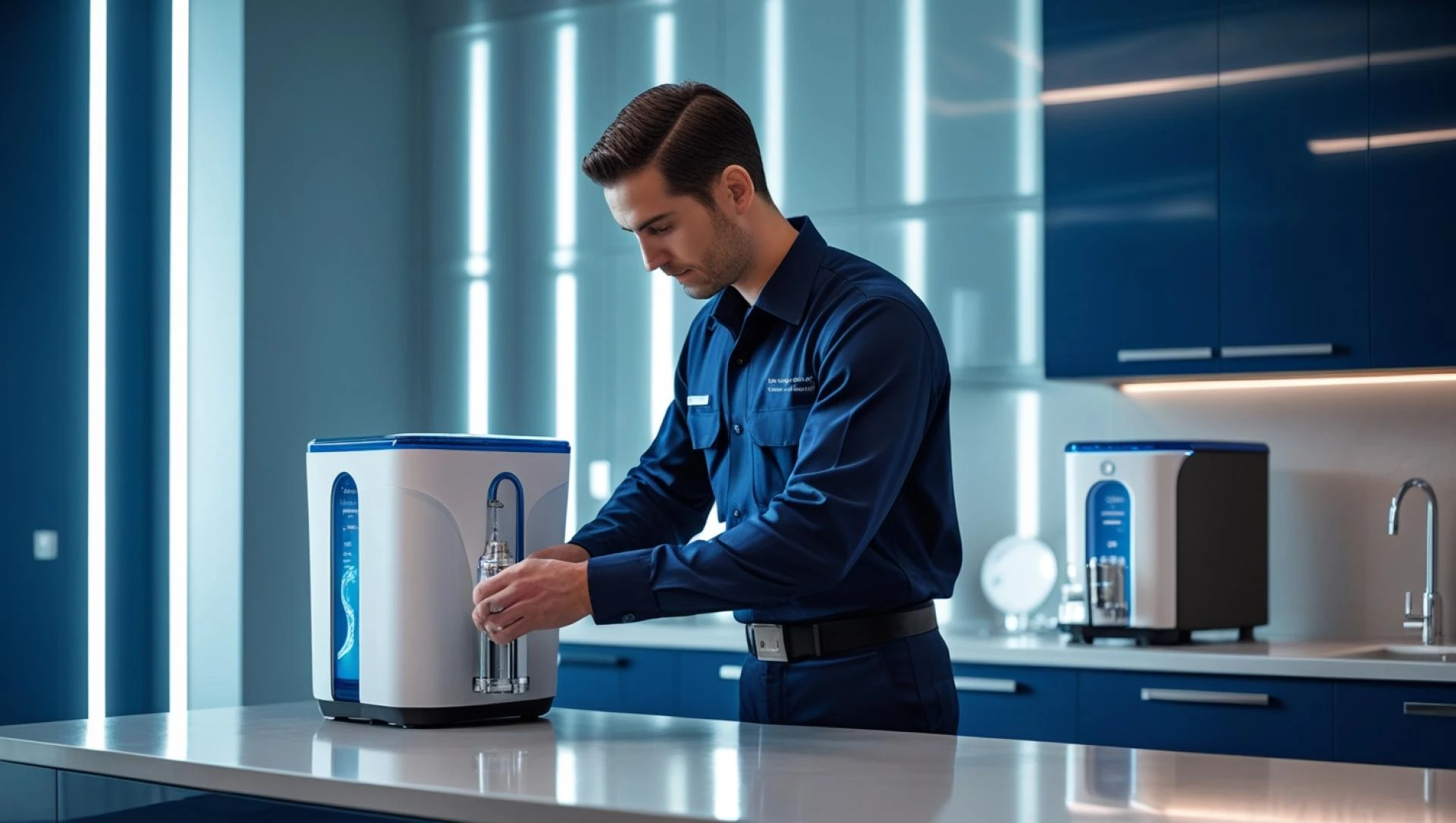
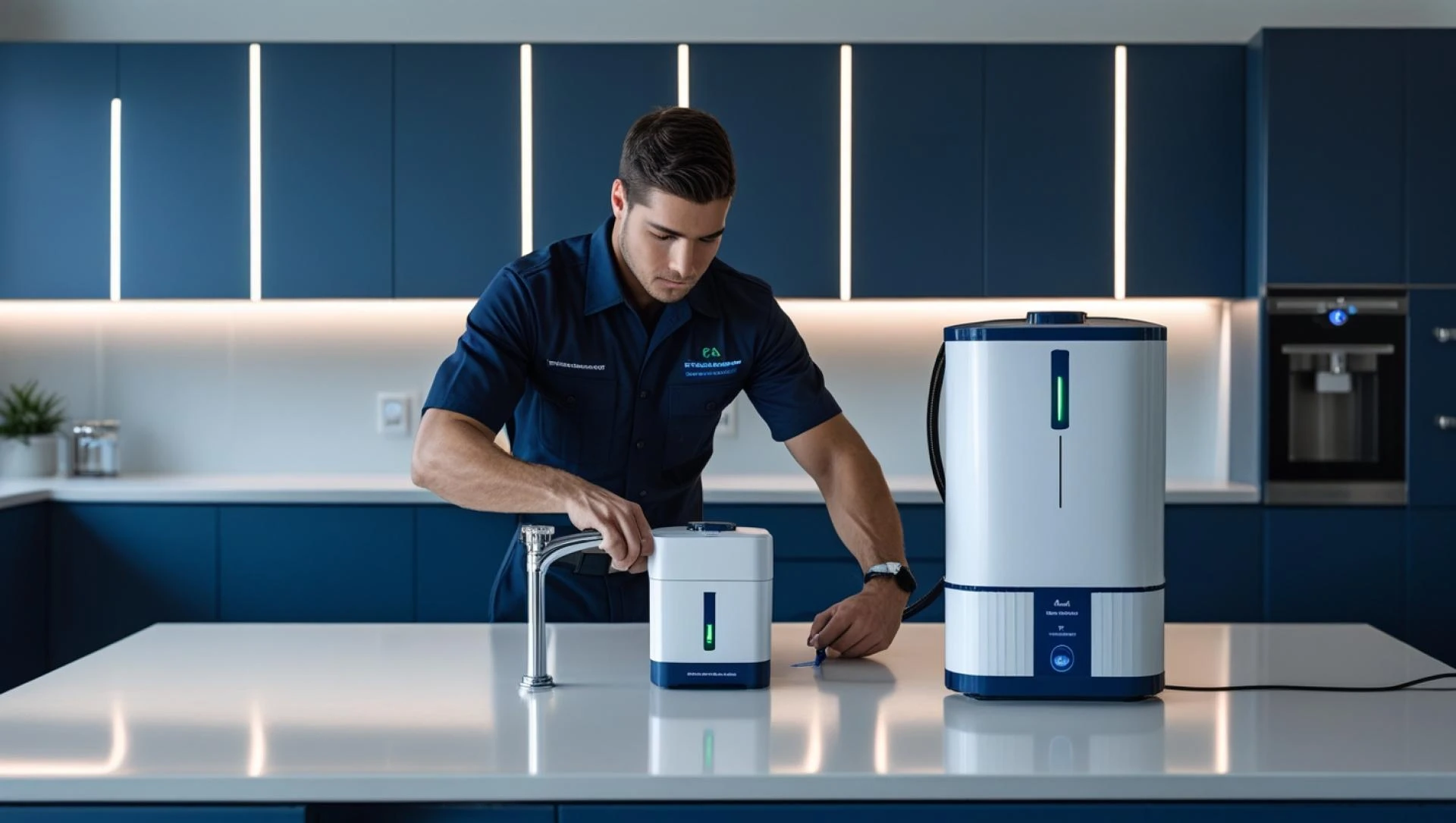
Home water filtration systems, such as reverse osmosis, activated carbon, or whole-house filters, are designed to remove a wide range of contaminants. Depending on the system, they can eliminate lead, chlorine, bacteria, pesticides, and even microplastics. Advanced systems like reverse osmosis remove up to 99% of impurities, providing water that meets or exceeds safety standards. You can also test your tap water and choose a system tailored to address specific contaminants in your area, ensuring customized protection for your family’s health.
Bottled Water
Bottled water is often marketed as pure, but its quality depends on the brand and source. Some brands use municipal tap water with minimal treatment, while others come from springs or undergo rigorous filtration. However, bottled water isn’t always free of contaminants—studies have found microplastics and chemicals from plastic bottles in some samples. Additionally, bottled water lacks the customization of home systems, as you can’t control what’s filtered out. For families with specific health concerns, like heavy metal exposure, bottled water may not offer sufficient protection.
Cost Considerations
Cost is a major factor when choosing between these options, and the long-term financial impact varies widely.
Home Filtration Systems
A home filtration system requires an upfront investment. Point-of-use filters, like pitcher or faucet-mounted systems, can cost $20–$100, while whole-house or reverse osmosis systems range from $200 to $2,000. Maintenance, such as replacing filters every 6–12 months, adds $50–$200 annually. However, once installed, these systems provide clean water at a fraction of a cent per gallon, making them cost-effective over time, especially for larger households.
Bottled Water
Bottled water seems affordable at $1–$2 per bottle, but costs add up quickly. A family of four drinking two liters daily could spend $1,000–$2,000 yearly, assuming $1.50 per liter. Unlike filtration systems, bottled water offers no economies of scale—the more you use, the more you pay. For families relying solely on bottled water for drinking and cooking, this recurring expense can strain budgets.
Environmental Impact
Sustainability is another critical consideration, as water choices affect the planet.
Home Filtration Systems
Filtration systems are far more eco-friendly. They produce minimal waste, with only periodic filter replacements needed. Whole-house systems ensure all household water is clean, reducing the need for single-use plastics. While manufacturing and shipping filters have some environmental footprint, it’s significantly smaller than the lifecycle of bottled water. Choosing a system with recyclable filters can further reduce impact.
Bottled Water
Bottled water has a hefty environmental toll. Plastic bottles contribute to landfill waste, with only about 30% recycled globally. Production and transportation of bottles also generate carbon emissions. Microplastics from degrading bottles pollute waterways, harming ecosystems. For environmentally conscious families, bottled water’s ongoing waste makes it a less appealing choice.
Convenience and Accessibility
Daily practicality matters when integrating a water solution into your routine.
Home Filtration Systems
Once installed, filtration systems offer unmatched convenience. Clean water flows directly from your tap, available for drinking, cooking, or bathing without extra steps. Whole-house systems cover all household needs, while point-of-use filters are simple for renters. Maintenance is minimal but requires remembering to replace filters. For busy families, the set-it-and-forget-it nature of these systems is a major plus.
Bottled Water
Bottled water is convenient for on-the-go use but cumbersome for daily needs. You must constantly buy, store, and dispose of bottles, which takes time and space. Running out means a trip to the store, and heavy cases can be a hassle to carry. While portable, bottled water doesn’t integrate seamlessly into home life compared to a filtration system.
Making the Right Choice
home water filtration system systems outshine bottled water in most areas. They offer superior contaminant removal, lower long-term costs, and a lighter environmental footprint. While bottled water may suit occasional use or emergencies, it’s less practical and sustainable for daily needs. To choose the best filtration system, test your tap water to identify contaminants, then select a system—whether a pitcher filter or whole-house setup—that fits your budget and lifestyle. By investing in a filtration system, you ensure your family’s health, save money, and contribute to a cleaner planet.